Regenerative Agriculture in the Spotlight: Agritechnica 2025 to Highlight Soil Health and Climate Resilience
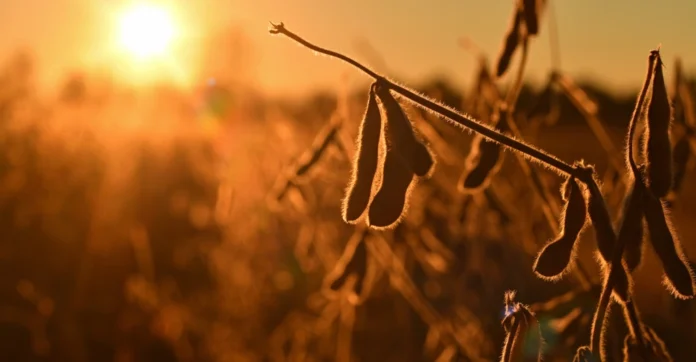
As climate change accelerates and global agriculture faces mounting environmental and economic pressures, regenerative farming is emerging as a key pathway toward sustainable food production. This year, Agritechnica 2025, the world’s largest trade fair for agricultural machinery, will place regenerative agriculture at the center of its international program, underscoring its potential to build climate resilience and support long-term farm productivity.
The event, held from November 9 to 15 in Hannover, Germany, is expected to draw more than 2,700 exhibitors and 430,000 visitors, including farmers, scientists, policymakers, and agribusiness leaders. A dedicated program of lectures, panel discussions, and case studies will explore how regenerative principles can be applied across diverse farming systems worldwide.
A Flexible Framework for Sustainable Farming
At its core, regenerative agriculture focuses on restoring and maintaining soil health. The approach emphasizes practices such as reduced tillage, permanent soil cover, diverse crop rotations, and intensive cover cropping. Together, these strategies help stabilize soil functions, increase carbon sequestration, and improve water retention—factors that are increasingly vital as farmers adapt to unpredictable weather patterns and tighter regulatory environments.
Unlike rigidly defined farming systems, regenerative agriculture functions more as a set of guiding principles. Farmers can adopt practices gradually, tailoring them to their specific crops, climates, and economic realities. This adaptability is particularly relevant in the European Union, where new regulations aim to cut the use of synthetic fertilizers and pesticides.
“Regenerative agriculture has become a global priority,” explains Dr. Bruno Görlach, Division Manager for Crop Production and Field Operations at the German Agricultural Society (DLG). “Farmers around the world are looking for practical solutions to climate-related challenges, and regenerative practices offer a flexible, science-based approach. At DLG, we’ve already taken action in Germany by offering a classification guide to the subject. The spotlight on soil health at Agritechnica 2025 is a further step in informing international farmers about the potential of regenerative systems and supporting their transition with technical expertise and practical know-how.”
Soil Health in the Spotlight
The DLG has designated Hall 24 at Agritechnica as the center for discussions on soil health, with the Expert Stage “Smart Efficiency” offering a series of international presentations and debates. Sessions will showcase case studies from across the globe, highlighting both successes and the practical challenges of shifting to regenerative practices.
A key highlight will be Agribusiness Day on November 11, where an afternoon panel at 4:00 p.m. will bring together experts from multiple continents to present best-practice examples and debate the role of regenerative systems in ensuring both sustainability and profitability.
The Five Guiding Principles
According to DLG, regenerative agriculture is best understood through five widely recognized principles:
- Minimizing soil disturbance – reducing or eliminating plowing and other disruptive practices.
- Maintaining permanent soil cover – protecting the soil with cover crops, residues, or mulch.
- Practicing diverse crop rotations – enhancing biodiversity and breaking pest and disease cycles.
- Keeping living roots in the soil year-round – sustaining soil biology and structure.
- Integrating livestock – reintroducing nutrient cycles and diversifying farm ecosystems.
While these ideas are not DLG’s own invention, the organization is playing a crucial role in bringing them to farmers’ attention and promoting their integration into modern agricultural systems.
DLG’s Role in Global Agriculture
Founded as a politically independent, non-profit organization, DLG today represents more than 31,000 members worldwide. With headquarters in Frankfurt and subsidiaries in 10 countries, DLG has established itself as a global knowledge hub for agricultural innovation. Its network of more than 3,000 experts in food and agriculture contributes to advancing scientific understanding and practical solutions.
DLG operates the International Crop Production Centre, a 600-hectare test site in Bernburg-Strenzfeld, Germany, where regenerative practices are studied under real-world conditions. Additionally, the DLG Test Centre in Gross-Umstadt is Europe’s largest facility for testing agricultural machinery and farm inputs.
Through its leading exhibitions—EuroTier for livestock and Agritechnica for machinery—DLG provides international platforms that shape the future of farming. Its more than 40 working groups, made up of farmers, academics, equipment manufacturers, and policymakers, ensure that knowledge exchange remains at the heart of agricultural progress.
Regeneration as a Path Forward
As the agricultural sector navigates the dual pressures of climate instability and policy shifts, regenerative agriculture is increasingly viewed not just as an environmental necessity but also as an economic opportunity. By improving soil resilience and reducing dependency on costly inputs, regenerative systems promise both ecological benefits and greater farm security.
With its global reach and technical expertise, Agritechnica 2025 will provide a vital stage for farmers, researchers, and industry leaders to move beyond theory and into practice. For many, the conversations in Hannover this November may help set the course for agriculture’s future in a warming world.