Oran, September 22, 2025 — The Algerian desert holds its breath.
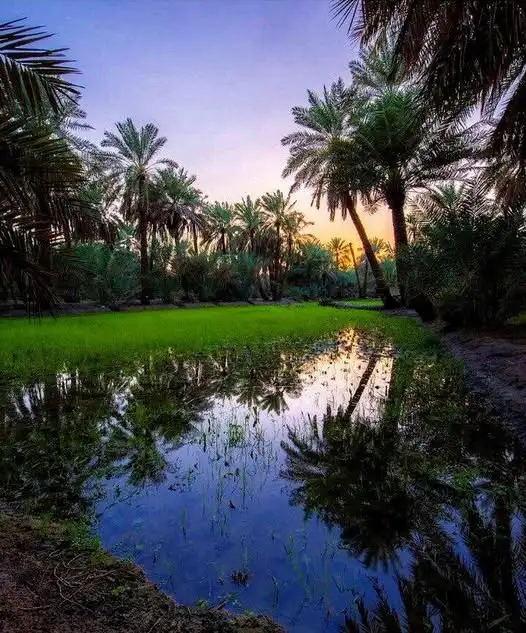
In just a few weeks, the palm groves of Tolga, Biskra, Ouargla, and El Oued will yield their treasured fruit: the Deglet Nour date, famously known as the “desert pearl.” A symbol of excellence, resilience, and tradition, this emblematic variety is set to inaugurate a highly promising 2025 season, rich in both economic opportunity and cultural significance.
A growth story told in numbers
Already the world’s leading producer of dates, Algeria has steadily strengthened its position over recent years:
- 2021: nearly 1.1 million tonnes harvested, including 25,500 tonnes of Deglet Nour exported, generating $79 million in foreign revenue.
- 2022: output remained stable at around 1.1 million tonnes, while authorities launched a national program to rejuvenate palm groves.
- 2023: a milestone year with 1.32 million tonnes produced, ranking Algeria among the world’s top three producers. Deglet Nour gained recognition as one of the finest date varieties worldwide.
- 2024: a leap forward with 150,000 tonnes exported, generating nearly $500 million in revenues. Ouargla alone produced 72,749 tonnes, including 40,585 tonnes of the Ghars variety.
For 2025, the Ministry of Agriculture projects a national harvest of over 1.2 million tonnes, including 400,000 tonnes of Deglet Nour.
A vintage under the best conditions
Favorable weather throughout the year has set the stage for an exceptional harvest.
“We are heading toward a record season, both in volume and quality. The fruit displays a flawless amber hue, a tender texture, and a perfectly balanced sugar content,” says Amel Benmann, General Manager of Kazi Foods and Beverage.
A protected label, a passport to global markets
Since 2023, Deglet Nour from Tolga has benefited from Geographical Indication Protection (GIP). This prestigious certification, which guarantees origin and traditional farming practices, has become a powerful lever to enter premium markets.
“Global demand for natural and authentic products is booming. Our target for 2025 is to export 200,000 tonnes, with a strong emphasis on premium Deglet Nour,” affirms Amel Benmann.
Tradition and innovation in harmony
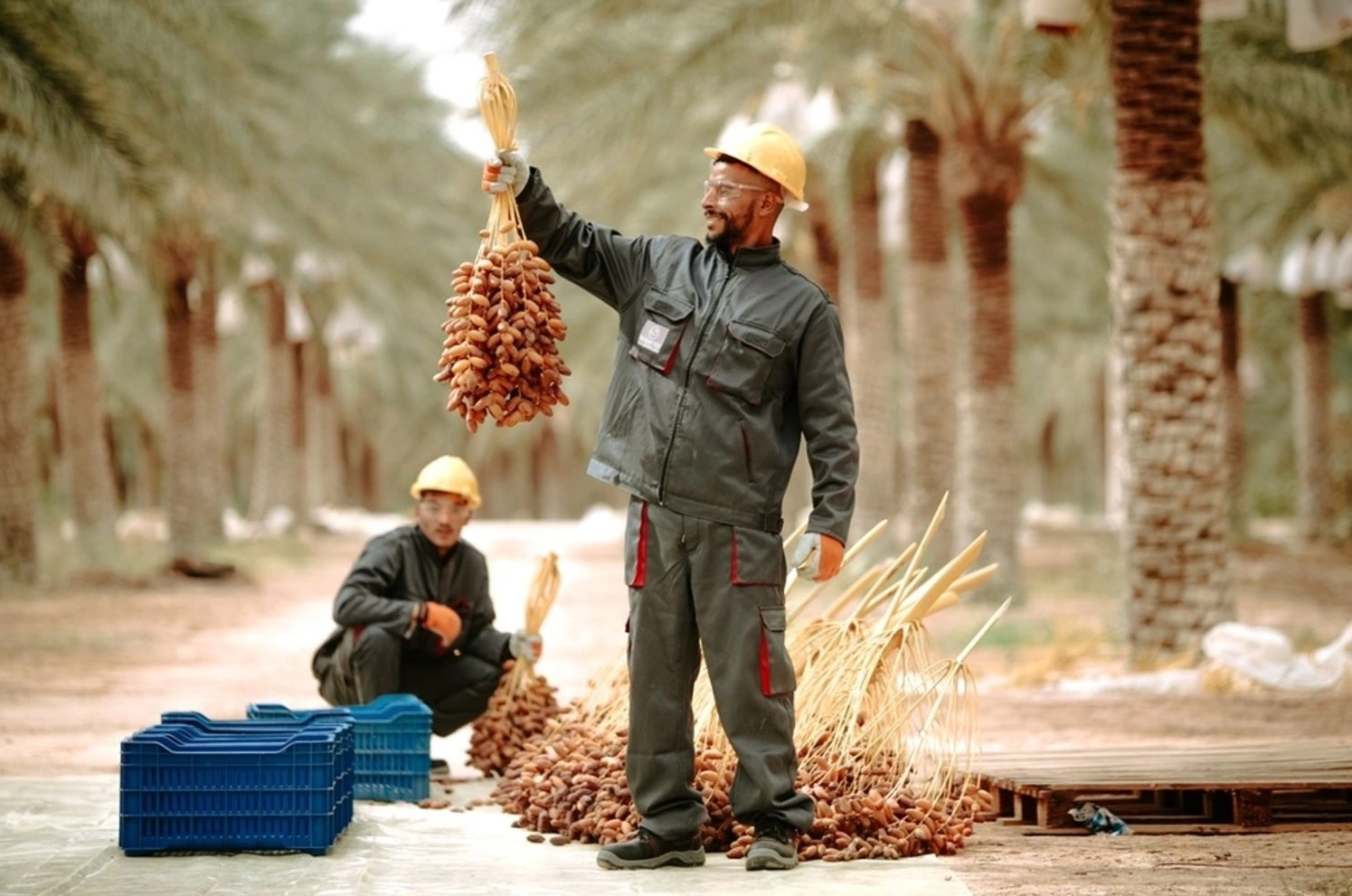
While the harvest remains deeply rooted in tradition … scaling the palms, hand-cutting the clusters … Algeria’s date sector is embracing innovation. In Tolga, the heartland of Deglet Nour, cooperatives are investing in automated sorting lines, digital traceability systems, and controlled-atmosphere packaging.
At the same time, surplus or lower-grade fruit is increasingly transformed into date powder, syrup, energy bars, or even cosmetics, creating added value while reducing waste. These initiatives not only diversify revenue streams but also generate new opportunities for young entrepreneurs in rural communities.
More than a fruit, a cultural identity
Beyond the economic figures, Deglet Nour remains a living symbol of Algeria’s cultural heritage. A staple on every table during Ramadan, offered as a sign of hospitality, it embodies an ancestral savoir-faire passed down through generations. In a Sahara facing mounting climatic challenges, the Deglet Nour also stands as a testament to human ingenuity and perseverance.
2025: a decisive turning point?
With an exceptional harvest on the horizon, a reinforced export strategy, and innovation advancing hand-in-hand with tradition, Deglet Nour seems poised to reach new heights. Algeria is betting not just on a fruit, but on a national emblem … a flagship product capable of carrying its colors proudly across the globe.
Deglet Nour is no longer merely a date. In 2025, it aspires to be the radiant face of the Algerian Sahara.
Date Varieties in Algeria: A Unique Heritage
Algeria is considered one of the largest date palm orchards in the world. With more than 1,500 recorded varieties, the country enjoys an exceptional diversity that reflects ancestral expertise in date cultivation. This rare genetic heritage makes Algeria a key player in global phoeniculture.
The Queen of Dates: Deglet Nour
Among all the varieties, Deglet Nour holds a special place. Renowned for its translucent color, soft texture, and refined taste, it is nicknamed “the light of the date.” It represents Algeria’s flagship product abroad and accounts for most of the exports to Europe, North America, and Asia.
Sweet and Rich Varieties
Another emblematic variety is Ghars, extremely rich in sugars. More fragile in terms of storage, it is often destined for industrial processing: date paste, syrups, or traditional pastries.
Degla Beïda, paler and less sweet, is used in blends or as a nutritional complement.
A Mosaic of Local and Traditional Varieties
Beyond the widely commercialized varieties, Algeria is home to numerous local dates adapted to Saharan terroirs. Passed down from generation to generation, these varieties represent a true culinary and agricultural identity. Among the most notable are:
- Tantbouchet: semi-dry, resistant to storage.
- Tafetazwin: sweet variety, popular in the South.
- Itima: a local date typical of certain oases.
- Tazerzeit: consumed locally, with medium texture.
- Tafetmest: dry variety, ideal for long preservation.
- Bouzekri: traditional date from the Sahara.
- Ammari: ancient variety, still cultivated in certain palm groves.
- Timjouhart: local and rare, with strong heritage value.
- Tafazouine: appreciated in Saharan areas for its sweet taste.
A Wealth Classified by Texture
Algerian dates are generally classified into three main categories:
- Soft dates: such as Deglet Nour and Ghars, prized for their tender flesh.
- Semi-dry dates: such as Degla Beïda or Tantbouchet, combining sweetness with good preservation.
- Dry dates: such as Tafetmest or Tazizaout, capable of lasting several months, even years, under Saharan conditions.
A Heritage to Preserve and Promote
While Deglet Nour remains the star of Algerian exports, the local and traditional varieties … such as Tantbouchet, Tafetazwin, Itima, Tazerzeit, Tafetmest, Bouzekri, Ammari, Timjouhart, and Tafazouine … represent a gastronomic and agricultural treasure that remains underexploited internationally. Promoting these varieties could strengthen Algeria’s position in the global market while preserving a millennia-old heritage.