Arabfields, Jamel derbal, Senior Correspondent: Innovation & Sustainability, Singapore — In the misty highlands of Vietnam’s Central Plateau, where rolling hills are carpeted in vibrant green robusta shrubs, the story of the world’s most indispensable coffee bean continues to unfold with triumph and tenacity. As the globe’s leading producer of robusta, Vietnam commands nearly 40 percent of international supply, delivering the bold, high-caffeine beans that power instant coffees, espresso blends, and ready-to-drink beverages for billions every day. This resilient variety has turned Vietnam into a coffee superpower, sustaining over 600,000 farming families and injecting vitality into rural economies.
The country now cultivates more than 720,000 hectares, with 95 percent devoted to robusta in the sun-drenched provinces of Dak Lak, Gia Lai, Kon Tum, and Lam Dong. In the 2024/25 season, production rebounded sharply to around 29.5 million bags after drought had cut the previous crop, and exports shattered records, exceeding 1.5 million tons and generating $8.4 billion as prices hit decade-high levels. Germany, the United States, Japan, and fast-growing Asian markets absorbed the surge, while domestic giants like Trung Nguyen and Highlands Coffee poured fresh investment into processing plants to capture more value at home.
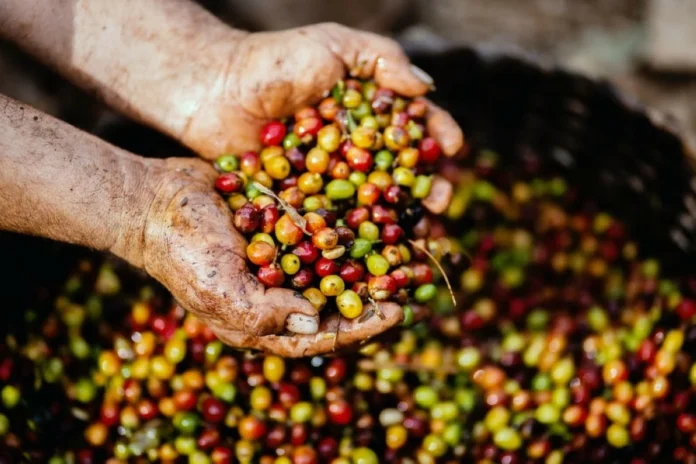
Robusta thrives here because it loves Vietnam’s hot, lower-altitude terrain and shrugs off the heat and irregular rain that would cripple arabica. Yields routinely reach 2.5 to 3 tons per hectare, boosted by pest-resistant hybrids and intensive smallholder care. Hand-picked cherries are sun-dried on raised mats, producing the nutty, chocolate-tinged profile that instant-coffee makers crave. Yet the sector remains vulnerable: heavy December rains in 2025 have already threatened maturing cherries, and earlier droughts forced costly replanting.
For 2025/26, forecasts are optimistic, with output expected to climb toward 31 million bags, driven by expanded area, timely monsoons, and farm-gate prices that encourage heavy fertilization. Exports should rise accordingly, pushing annual revenue close to $9.5 billion even if new U.S. tariffs and European regulations create friction.
Looking further out, Vietnam’s robusta production is on track to keep growing through the 2030s. Hybrid varieties, sustainable certification, and agroforestry could lift annual harvests toward 45 million bags by 2035, while blockchain traceability and solar drying cut waste and open premium markets. Domestic consumption is also set to explode as a wealthier, urbanizing population embraces café culture and canned cold coffee. At the same time, Brazil’s rapid robusta expansion may eventually challenge Vietnam’s top spot, potentially capping prices later this decade.
Climate remains the biggest wildcard. Alternating floods and droughts could shave 15 percent off yields by the mid-2030s if warming accelerates, forcing expensive irrigation networks and crop diversification. Labor shortages, soil fatigue, and looming carbon border taxes add pressure, yet government support, foreign investment, and a young generation of tech-savvy farmers give reason for confidence.
From the bustling ports of Ho Chi Minh City to quiet highland villages where families still toast the harvest with thick cups of local brew, Vietnam’s robusta story is one of relentless adaptation. As long as the rains return and the world keeps craving its morning kick, these green hills will continue fueling both a nation and the planet’s favorite stimulant.