Arabfields, Farah Benali, Economic Correspondent in China — In South Korea, a profound shift is underway in how consumers approach fruit consumption, as persistent increases in fresh fruit prices continue to reshape purchasing habits across households. Recent data reveals that the fresh fruit consumer price index has climbed steadily over recent years, registering gains of 3.8% in 2020, 11.3% in 2021, 6.2% in 2022, 9.6% in 2023, and a substantial 16.9% in 2024. By the third quarter of 2025, this index reached an average of 152.21 (with 2020 as the base of 100), surpassing both the broader fresh food index at 130.8 and the fresh vegetable index at 120.4. This sustained upward pressure on costs has made everyday fresh fruits increasingly burdensome for many families, prompting a growing number of shoppers to reconsider their options in pursuit of more affordable, yet nutritious alternatives.
The situation feels particularly acute for younger adults and those living alone, a demographic that has expanded significantly in recent years. A single worker in his thirties captured the frustration shared by many when he described encountering three apples priced at 12,000 won, noting that smaller packaging options, often marketed as premium products, only add to the financial strain. Such experiences highlight a broader reality where convenience-oriented small packs, intended to suit busy urban lifestyles, have instead become luxury items for a large portion of the population. As fresh fruits grow ever more expensive due to factors including supply chain challenges, climate impacts, and domestic production constraints, Korean consumers are increasingly drawn toward frozen alternatives that offer both economic relief and practical benefits.
Imports of frozen fruit tell a compelling story of this transition. According to Agri-Food Export Information data, South Korea recorded 73,299 tonnes of frozen fruit imports during the first eleven months of 2025, marking a solid 4% increase compared to the same period in the previous year. This follows a record-breaking annual total of 79,436 tonnes in 2024, and current trends strongly suggest that 2025 will surpass even that milestone, establishing consecutive years of unprecedented import volumes. The upward trajectory in frozen fruit arrivals has been evident since 2020, with price competitiveness emerging as the dominant driver behind this sustained growth.
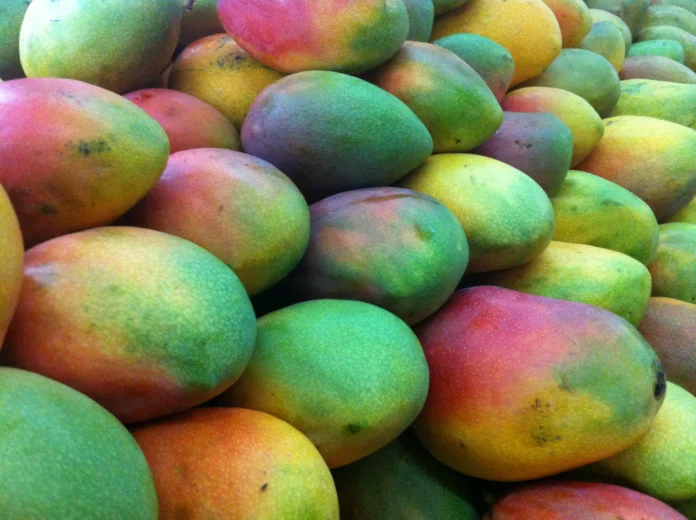
Major players in the distribution and food service sector have responded swiftly to the changing demand landscape. CJ Freshway, for instance, has witnessed its private brand frozen fruit products, including popular items such as blueberries, experience more than doubling in distribution volume annually over the past three years. The company further expanded its lineup this year by introducing frozen mangoes under its It’s Well brand, signaling confidence in continued consumer enthusiasm for these convenient options. This rapid scaling reflects not only immediate market reactions but also a strategic bet on the long-term evolution of Korean eating patterns.
Looking toward the future, several converging factors point to a continued expansion of the frozen fruit segment. Market analyses project that the processed and frozen fruits category in South Korea will maintain positive momentum, with volume growth estimated at around 2.6% in 2025 and a broader compound annual growth rate of approximately 4.8% through 2029. Related forecasts for the frozen fruits and vegetables market anticipate even stronger expansion, with growth rates exceeding 6.8% CAGR from 2024 through 2029, fueled by persistent demand for convenient, health-conscious choices. Broader frozen food trends reinforce this outlook, with estimates suggesting a 6.6% to 6.7% CAGR for the overall sector during similar periods, as fruits and vegetables emerge as among the most dynamic sub-categories.
Several structural changes in society will likely accelerate this movement in the coming years. The ongoing rise in single-person households favors products that minimize waste and require minimal preparation time, qualities that frozen fruits deliver effectively. Busy urban lifestyles, combined with heightened awareness of nutrition and the desire to maintain healthy eating despite time constraints, further bolster the appeal of frozen options that retain vitamins and flavor through advanced freezing techniques. As fresh fruit prices show little sign of significant moderation in the near term, especially amid lingering inflationary pressures and global supply uncertainties, the affordability gap between fresh and frozen is expected to widen, encouraging even greater adoption.
Moreover, innovations in product development and distribution will support sustained growth. Retailers are expanding frozen aisles, online platforms are facilitating easier access to diverse imported varieties, and manufacturers continue to introduce premium yet accessible items tailored to Korean tastes. The combination of economic necessity and evolving preferences suggests that frozen fruits will transition from a mere alternative to a core component of many households’ regular fruit intake.
In essence, South Korea stands at the threshold of a lasting realignment in its fruit market, where frozen products are poised to capture an increasingly prominent share. With import records likely to fall again in 2025 and beyond, and with structural trends favoring convenience, nutrition, and value, the frozen fruit sector appears set for several years of robust expansion, fundamentally reshaping how Koreans incorporate fruit into their daily lives.