Arabfields, Meriem Senouci, Correspondent, Hanoï, Vietnam — Vietnam has long stood as one of the world’s leading rice exporters, a position built on fertile deltas, dedicated farming communities, and a strategic focus on meeting global demand. In 2026, the country is projected to have more than seven million tonnes of rice available for export, with official estimates pointing to around 7.73 million tonnes allocated for international markets. This figure marks a deliberate adjustment from the previous year’s performance, reflecting a thoughtful response to evolving global conditions and domestic priorities. As the year unfolds, particularly with exports expected to concentrate in the early months, Vietnam’s rice sector is poised to navigate a complex landscape shaped by abundant supply worldwide, shifting buyer preferences, and the imperative for sustainable growth.
The foundation of this 2026 outlook lies in the robust performance of recent years, where Vietnam consistently shipped substantial volumes to feed nations across Asia, Africa, and beyond. In 2025, the country exported over eight million tonnes, generating billions in revenue despite facing headwinds from reduced demand in key markets. That achievement built on a legacy of expansion, where annual exports frequently surpassed seven or even eight million tonnes, driven by high productivity in the Mekong and Red River deltas. However, the decision to cap exports at just over seven million tonnes in 2026 signals a pivot toward quality over sheer quantity, as policymakers aim to balance economic gains with long-term agricultural health. Early in the year, shipments are anticipated to exceed four million tonnes in the first half alone, concentrated in periods of peak harvest and favorable logistics, setting a strong pace before seasonal adjustments take hold.
This moderated approach for 2026 stems from a recognition of pressing global market dynamics, where rice supply has reached record levels, leading to downward pressure on prices. With major producers like India and Thailand also holding significant stocks, competition has intensified, making it challenging for exporters to maintain premium pricing. Vietnam, aware of these trends, is proactively scaling back volume to avoid flooding the market further, a strategy that could help stabilize returns for farmers and processors alike. Additionally, traditional buyers have adjusted their import strategies, with some reducing purchases due to improved domestic production or policy shifts, prompting Vietnamese exporters to seek diversification into emerging markets. By focusing on higher-value varieties and adhering to stringent international standards, the sector aims to command better prices even in a saturated environment, turning potential vulnerabilities into opportunities for upgraded positioning.
Looking deeper into the factors shaping 2026, climate variability and resource management play critical roles, as the deltas face ongoing challenges from water scarcity, salinity intrusion, and extreme weather patterns. These environmental pressures have already influenced production planning, encouraging a shift toward resilient strains and efficient irrigation practices. Government initiatives emphasize sustainability, promoting reduced pesticide use, lower emissions, and certified organic or low-carbon rice to appeal to discerning consumers in Europe and North America. Trade agreements continue to facilitate access to lucrative markets, allowing exporters to leverage preferential tariffs and build stronger partnerships. As a result, while total volume may dip slightly compared to peak years, the value per tonne is likely to rise, with premium and fragrant varieties gaining traction amid growing global preference for traceable, eco-friendly products.
Beyond 2026, the trajectory for Vietnam’s rice exports appears headed toward gradual transformation, with volumes potentially stabilizing around seven million tonnes annually or even tapering further if sustainability goals intensify. By the end of the decade, production could face constraints from climate impacts, leading to a natural cap on output and a stronger emphasis on value addition through branding and processing. If global demand rebounds, particularly from population growth in Africa or recovery in traditional Asian markets, Vietnam could recapture higher export levels, perhaps approaching eight million tonnes again in favorable years. However, a more probable scenario involves sustained moderation, with exports hovering between six and eight million tonnes, prioritized toward high-margin segments that yield greater economic benefits per hectare farmed.
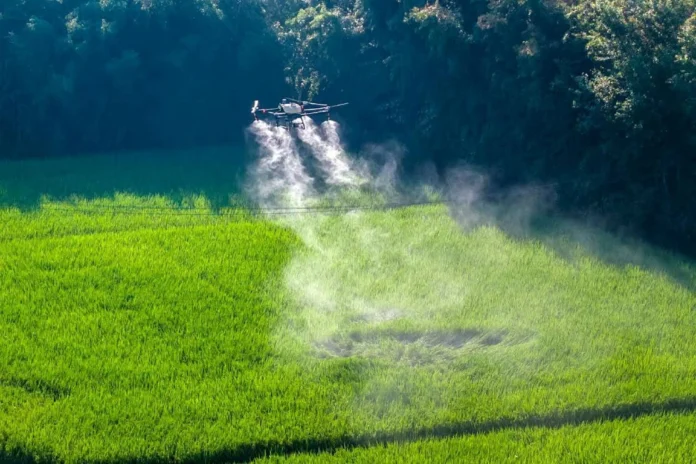
This evolution carries profound implications for rural communities, where millions depend on rice cultivation for livelihoods, as a focus on quality could translate to higher incomes despite lower overall yields. Technological advancements, such as precision agriculture and improved seed varieties, will likely bolster efficiency, mitigating risks from environmental stresses and enabling consistent supply. On the international stage, Vietnam’s role in food security remains vital, supplying affordable staples to import-dependent nations while adapting to a world where buyers increasingly demand sustainability certifications. Prices may remain soft in the near term due to persistent surpluses, but as inventories draw down and disruptions occur elsewhere, upward movement could emerge by the late 2020s, rewarding those who invested early in premium production.
In the longer horizon, extending into the 2030s, Vietnam’s rice sector might witness a redefined global standing, characterized by leadership in sustainable export models rather than sheer volume dominance. With proactive policies guiding the transition, the country could inspire regional peers, fostering collaborative efforts to address shared challenges like climate adaptation and market volatility. Economic contributions from rice would endure, albeit in a more refined form, supporting national growth while preserving the ecological foundations of the deltas. Ultimately, the projection of over seven million tonnes available in 2026 serves not as a ceiling, but as a foundation for resilient progress, ensuring that Vietnam continues to feed the world thoughtfully and profitably in the years ahead.
The interplay of these elements paints a picture of cautious optimism, where deliberate restraint in 2026 lays groundwork for enduring strength. Farmers, exporters, and policymakers alike are aligning around a vision that prioritizes longevity, recognizing that the rice industry’s future success hinges on harmonizing productivity with planetary limits. As harvests proceed and shipments depart from ports, the world will watch how Vietnam balances tradition with innovation, securing its place in an ever-changing global food system. This strategic patience could yield dividends, positioning the nation to thrive amid uncertainties, with exports evolving into a hallmark of quality and responsibility that commands respect and reward internationally.