Arabfields, Sophia Daly, Financial Analyst specialized in Agriculture and Futures Markets — The January USDA WASDE report, traditionally one of the most influential releases of the year, has delivered a clearly pessimistic message for global cereal balances in the 2025/26 marketing year that will shape markets throughout 2026. Lower production forecasts, upward revisions to consumption, and consequently reduced ending stocks paint a picture of tightening supplies across major grains, suggesting that prices will face sustained upward pressure through the calendar year 2026 and potentially beyond if growing conditions disappoint.
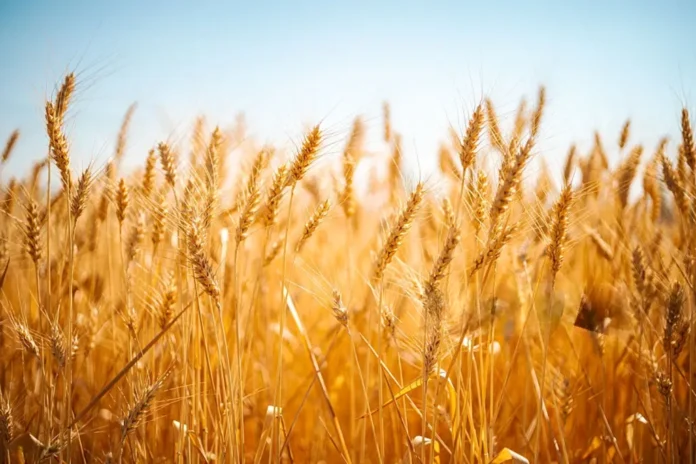
For wheat, the report cut global production estimates noticeably, driven primarily by smaller crops expected in major exporters. Reduced Australian and Argentine output, combined with only modest recovery in the Black Sea region, leaves world wheat supplies tighter than previously anticipated. Consumption, meanwhile, continues to rise steadily on population growth and feed demand in developing economies. The resulting drop in projected ending stocks implies a lower stocks-to-use ratio, historically a reliable leading indicator of higher prices. Through 2026, wheat markets are therefore likely to remain sensitive to any weather setbacks in the Northern Hemisphere winter wheat belt or renewed geopolitical friction in export corridors. Prices that have already shown firmness in late 2025 are expected to trend higher on average throughout 2026, with periodic spikes whenever crop concerns emerge in key producing areas.
Corn balances present an even more concerning outlook. The WASDE lowered U.S. corn yield assumptions and trimmed South American production prospects, reflecting lingering effects of irregular weather patterns observed in recent seasons. At the same time, global feed demand remains robust, supported by recovering livestock sectors in Asia, while ethanol and food use continue their gradual upward trajectories. Ending stocks are now forecast at multi-year lows, creating a supply cushion that offers little protection against production shortfalls. In 2026, corn prices are consequently projected to maintain a strong upward bias, particularly during the critical U.S. growing season from May to August, when any heat or drought episodes could trigger sharp rallies. Export competition between the United States and South America will intensify, and importing nations may face higher costs throughout the year.
Rice, often somewhat insulated from the volatility seen in wheat and corn, also received downward adjustments in the January report. Production cuts in major Asian suppliers, combined with steady demand growth in Africa and the Middle East, translate into reduced global availabilities. Although rice trade is less concentrated than for other grains, the lower carry-in from previous seasons leaves limited buffer against weather disruptions during the 2026 cropping cycles. Prices are expected to firm gradually through the year, with potential for more pronounced increases if monsoon performance in South and Southeast Asia falls short of normal patterns.
Across all major cereals, the common theme emerging from the report is a significant tightening of global stocks-to-use ratios compared to earlier projections. This metric, closely watched by traders and analysts, has fallen into a range that historically correlates with higher and more volatile prices. The reduced buffer increases the market’s vulnerability to adverse weather, policy shifts, or logistical disruptions. In 2026, any repetition of the extreme weather events witnessed in recent years, whether heat waves in North America, drought in South America, or excessive rainfall in Europe, would likely amplify price movements and create periods of acute shortage concerns.
Food security implications cannot be overlooked. Importing countries, particularly in North Africa, the Middle East, and parts of sub-Saharan Africa that rely heavily on wheat and corn purchases, will face elevated import bills throughout 2026. Higher cereal costs feed directly into bread and staple food prices, potentially reigniting inflationary pressures in nations where food represents a large share of household expenditure. Governments may respond with expanded subsidies or strategic reserve releases, but sustained tight balances will limit the effectiveness of such measures. In extreme scenarios, competition for limited exportable supplies could strain diplomatic relations between major importers and exporters.
On the supply response side, elevated prices expected in 2026 should encourage planted area expansion where agronomic and economic conditions allow. Farmers in the United States, Europe, and parts of South America are likely to allocate additional hectares to wheat and corn if margins remain attractive. However, input costs, particularly for fertilizer and energy, continue to hover at levels that constrain aggressive expansion. Moreover, climate variability introduces uncertainty regarding achievable yields even with increased acreage. The net result is that any supply recovery in 2026 may prove modest, insufficient to rebuild stocks meaningfully before the arrival of 2027 harvests.
Trade flows will reflect these tighter fundamentals. Traditional exporters such as the United States, Argentina, Ukraine, and Australia will command stronger pricing power, while importers will need to secure supplies earlier and at higher cost. Black Sea export volumes, although projected to recover somewhat, remain subject to geopolitical risks that could disrupt flows at any point during 2026. Alternative suppliers may gain temporary market share during periods of regional shortfall, but overall global exportable surplus appears diminished.
Looking further into 2026 and early 2027, sustained demand growth from population increase and dietary shifts in emerging economies will continue to exert upward pressure on consumption. Without major technological breakthroughs or exceptionally favorable weather across multiple hemispheres simultaneously, rebuilding global cereal stocks to more comfortable levels seems unlikely before the end of the decade. The January WASDE has therefore established a bearish foundation that markets will carry forward, implying a year of elevated prices, heightened volatility, and ongoing challenges for food security worldwide.
In summary, the pessimistic tone of the latest USDA assessment signals that 2026 will be characterized by tight cereal balances, upward price trajectories across wheat, corn, and rice, and increased sensitivity to production risks. Stakeholders ranging from farmers planning planting decisions to policymakers managing food inflation will need to navigate an environment where supply margins offer limited protection against adverse developments. The report serves as a clear warning that the global cereal complex enters 2026 with reduced buffers, setting the stage for a challenging year ahead.