Arabfields, Nadia Fatima Zahra, Arabfields, Yamoussoukro, Ivory Coast — The fifth edition of the African Agriculture and Agro-Food Summit, scheduled to unfold from May 3 to 7, 2026, in Dakar and the Casamance region of Senegal, stands as a landmark event in the continent’s ongoing quest for food sovereignty and economic resilience. This gathering brings together stakeholders from across Africa to confront the persistent challenges facing the agricultural sector, while charting a course toward innovative, sustainable solutions that promise to redefine the future of food production and processing on the continent. Agriculture, long viewed merely as a means of subsistence for millions of Africans, is increasingly recognized as a powerful engine of economic growth, capable of driving job creation, reducing poverty, and bolstering national trade balances through enhanced local production and value addition.
At the heart of the summit’s agenda lies a profound shift in perspective, where agriculture is elevated from a traditional livelihood activity to a strategic pillar of sustainable development. Experts emphasize that the obstacles hindering progress, such as limited access to modern technologies and inadequate infrastructure, are not inevitable barriers but rather opportunities waiting to be addressed through targeted investments and integrated approaches. In many parts of West Africa, including Senegal, only about eight percent of arable land benefits from reliable irrigation systems, leaving vast areas vulnerable to erratic rainfall patterns exacerbated by climate change. Mechanization remains equally constrained, with adoption rates hovering around ten percent, which forces farmers to rely heavily on manual labor and limits their ability to scale operations efficiently. Compounding these issues are post-harvest losses that can reach up to forty percent, eroding the hard-won yields and diminishing the economic returns for smallholder farmers who form the backbone of the sector.
Senegal serves as a compelling case study in this context, a nation blessed with fertile soils and a strategic coastal position yet burdened by an annual import bill of nearly two billion euros for agricultural and agri-food products. This heavy dependence on foreign supplies undermines ambitions for self-sufficiency and exposes the economy to global price volatility and supply chain disruptions. The summit aims to reverse this trend by fostering concrete, actionable projects that strengthen local production capacities, improve processing infrastructure, and build resilient value chains. Past editions of the event have already demonstrated tangible success, with initiatives leading to notable increases in the output of key crops such as cassava and peanuts, transforming Senegal into an emerging hub for agricultural innovation in the region. These achievements highlight the potential for replication across broader West African landscapes, where similar environmental and economic conditions prevail.
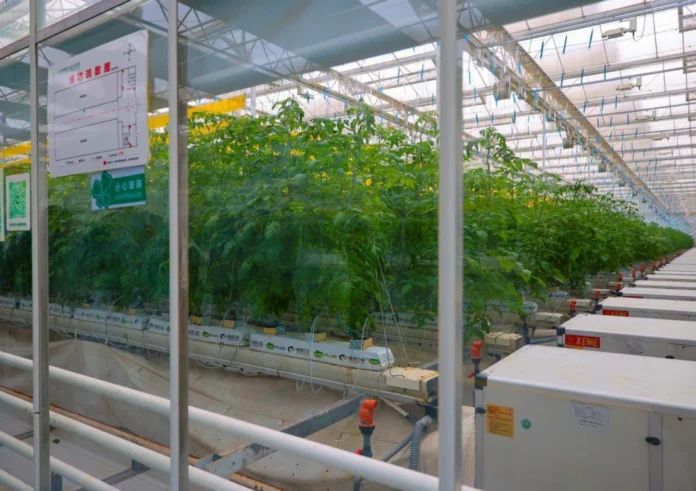
Looking ahead, the upcoming summit is poised to accelerate this momentum through a comprehensive program designed to bridge gaps between policy, research, and on-the-ground implementation. Participants will engage in farm visits that showcase successful irrigation and cultivation techniques, explorations of modern processing units that turn raw produce into high-value goods, and inspections of logistics platforms essential for reducing waste and ensuring timely market access. Institutional dialogues will connect government officials with researchers and academics, while thematic conferences delve into critical topics like sustainable water management, building resilience against climate shocks, and developing robust agricultural value chains. Business-to-business networking sessions will facilitate partnerships that prioritize long-term collaboration, ensuring that ideas discussed translate into enduring projects with regular monitoring and adjustment.
One of the most promising aspects of the summit’s vision is the establishment of ongoing follow-up mechanisms, including semi-annual meetings dedicated to reviewing project progress, identifying emerging obstacles, and refining strategies for maximum impact. This continuous engagement model represents a departure from one-off events, instead creating a dynamic framework for sustained advancement. New initiatives launched during the 2026 gathering, some of which are slated for inauguration as early as May of that year, will build on previous successes to further expand irrigated areas, introduce more efficient mechanization tools, and implement advanced post-harvest technologies. As these efforts take root, projections based on current data suggest transformative outcomes in the coming decade.
If investments succeed in doubling irrigated land coverage from the present eight percent to sixteen percent or higher by the early 2030s, crop yields could surge dramatically, potentially increasing overall agricultural output by thirty to fifty percent in targeted regions. Such gains would directly address post-harvest losses, bringing them down to below twenty percent through better storage and processing facilities, thereby preserving more value for farmers and consumers alike. For Senegal specifically, a concerted push toward local processing could slash the two-billion-euro import dependency by half within five to seven years, freeing up resources for reinvestment in education, health, and infrastructure. Broader adoption of mechanization, rising from ten percent to thirty percent or more, would not only boost productivity but also create thousands of jobs in equipment maintenance, training, and related services, invigorating rural economies and stemming urban migration.
These developments hold even greater promise when viewed through the lens of regional integration. As Senegal solidifies its role as a laboratory for agricultural solutions, neighboring countries stand to benefit from shared knowledge and cross-border collaborations, fostering a West African agricultural renaissance. Enhanced food sovereignty would strengthen trade balances across the continent, reducing vulnerability to external shocks and positioning Africa as a net exporter of processed agri-food products. Climate-resilient practices promoted at the summit, such as drought-tolerant crops and efficient water use, will prove invaluable as global temperatures rise, ensuring that future generations inherit a more secure food system. By the mid-2030s, with consistent implementation of the strategies outlined in Dakar, many African nations could achieve self-sufficiency in staple foods, while exporting high-value items like processed cassava derivatives or peanut-based products to international markets.
The summit’s emphasis on value creation extends beyond mere production increases, envisioning a future where agro-industrial transformation drives inclusive growth. Smallholder farmers, often marginalized in global supply chains, would gain access to markets that reward quality and sustainability, leading to higher incomes and improved livelihoods. Women and youth, who play vital roles in African agriculture, would find new opportunities in processing and entrepreneurship, contributing to gender equity and demographic dividends. Economic resilience built through diversified agricultural bases would buffer against pandemics, conflicts, or economic downturns, creating a more stable foundation for broader development goals.
In essence, the Dakar summit represents more than a conference, it embodies a collective commitment to reimagining Africa’s agricultural landscape. The data underscoring current challenges also illuminate a path forward, one paved with innovation, partnership, and unwavering focus on practical outcomes. As projects from previous editions continue to yield results and new ones emerge in 2026, the continent moves closer to a reality where food security is not an aspiration but a achieved standard. This trajectory points toward a prosperous future, where agriculture fuels economic sovereignty, nourishes populations, and positions Africa as a global leader in sustainable food systems. The work beginning in Dakar and Casamance will echo across the continent for years to come, cultivating not just crops, but hope and prosperity for millions.