Arabfields, Farah Benali, Economic Correspondent, China — China has embarked on a strategic initiative within its latest five-year framework to broaden and stabilize its sourcing of agricultural goods from around the globe, a move designed to bolster national food security while fostering more resilient supply chains amid evolving global trade dynamics. This policy shift underscores a deliberate effort to reduce reliance on any single supplier or region, ensuring that domestic demand for essential commodities such as soybeans, meats, dairy products, fruits, and grains can be met through a balanced mix of local production and international partnerships. By integrating these import strategies with ongoing advancements in domestic agriculture, the approach aims to protect local farmers, mitigate risks from geopolitical tensions or climatic disruptions, and contribute to a more balanced participation in worldwide markets.
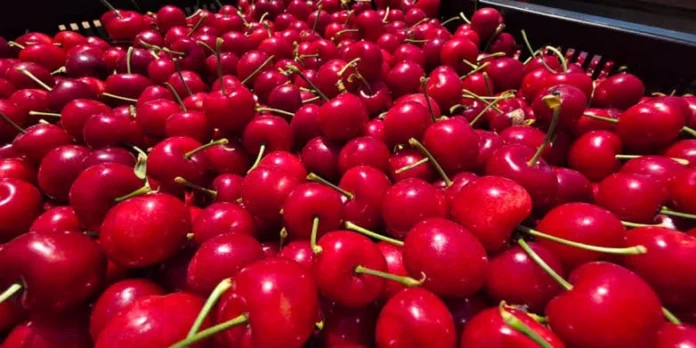
The emphasis on diversification reflects China’s recognition that structural gaps persist between its vast consumer needs and internal output capacities, particularly for high-protein feeds and specialty items that support its growing livestock sector and urban populations. In recent years, the country has consistently ranked as one of the world’s leading importers of agricultural products, with total farm and food imports reaching approximately 207.4 billion dollars in 2025, positioning it as the second-largest such buyer globally. Soybean purchases alone set a new record that year at 111.83 million tonnes, marking a 6.5 percent increase from the previous period and highlighting the critical role these imports play in filling feed requirements for the expanding meat and dairy industries. Complementary inflows of edible vegetable oils surged by 16.6 percent to 8.6 billion dollars, while fresh and dried fruits advanced by 5.6 percent to 19.4 billion dollars, illustrating a broader consumer preference for premium and diverse food options that align with rising living standards.
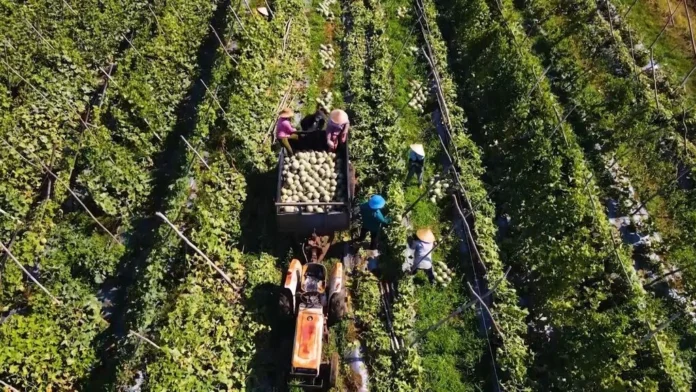
Domestic grain production has also demonstrated notable stability, hovering around 700 million tonnes annually in recent cycles, yet authorities have set ambitious targets to enhance self-sufficiency without expanding cultivated areas excessively. Through targeted investments in technology, high-yield seed varieties, and intelligent machinery, the framework projects an elevation of overall grain production capacity to 725 million metric tonnes by the end of the decade. This internal strengthening complements the import diversification policy, creating a coordinated system where overseas supplies act as a strategic buffer rather than a primary dependency. For instance, imports of corn and wheat, which had fluctuated significantly in prior seasons due to competitive pricing and quota adjustments, have been managed more selectively to avoid undermining local producers, with 2025 figures showing marked declines compared to peak years.
Looking ahead to 2026, projections grounded in current trends and policy directives indicate that soybean imports will likely stabilize near 110 million tonnes, maintaining robust demand to support livestock feed while new sourcing agreements with additional partners help spread risk across multiple continents. Overall agricultural import values are expected to edge higher, reaching an estimated 215 to 220 billion dollars, driven by sustained consumer upgrades and the deliberate expansion of trade ties with regions such as Latin America, Africa, and Southeast Asia. This modest growth anticipates continued increases in categories like meat, dairy, and specialty fruits, where structural shortfalls persist, even as domestic innovations in aquaculture, silage corn, and greenhouse farming contribute to greater supply variety. The forecasts also account for enhanced coordination mechanisms that will calibrate import volumes to align precisely with home production levels, thereby preventing market oversupply and safeguarding farmer incomes through refined subsidy and insurance programs.
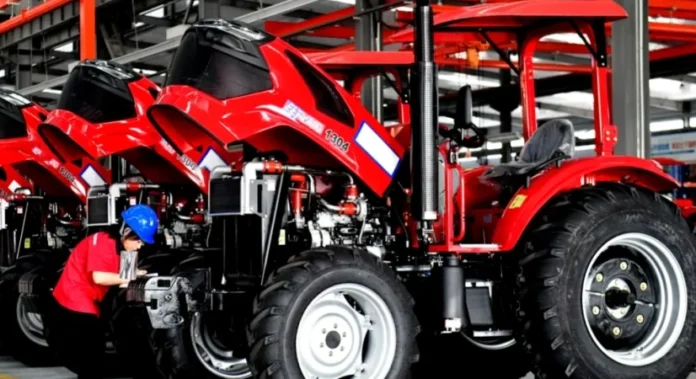
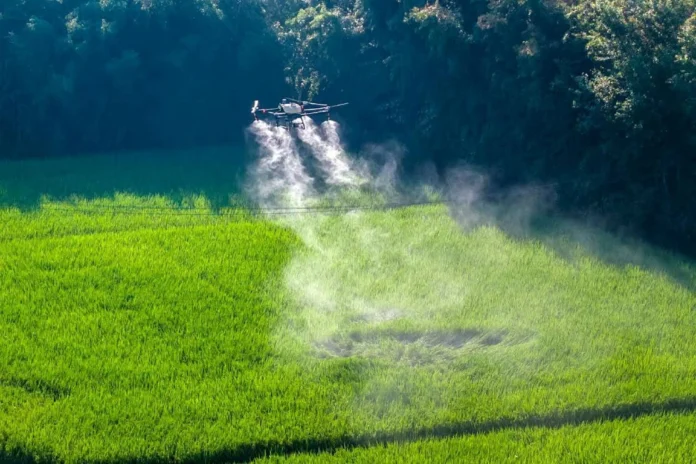
Such measures form part of a comprehensive vision to transform agriculture into a modern, large-scale industry powered by emerging technologies including artificial intelligence, robotics, and precision equipment suited for varied terrains. By accelerating the commercialization of advanced seed breeding and integrating digital tools across the full production chain, China seeks not only to elevate output quality and resilience but also to position its own agricultural enterprises as competitive players in global value chains. The diversification of import sources will play a pivotal role here, as stable overseas channels for soybeans, pork, beef, and wine reduce vulnerability to supply shocks while enabling reciprocal export opportunities for Chinese specialty goods. Policymakers have explicitly called for the development of these international linkages, emphasizing long-term contracts and joint ventures that promote mutual economic benefits and contribute to worldwide food system stability.
In parallel, the strategy addresses broader challenges such as climate variability and trade frictions by promoting a diversified food supply system that encompasses forestry, grassland resources, and deep-sea aquaculture alongside traditional cropping. This holistic approach ensures that imports serve as complements to domestic efforts, with inter-provincial compensation schemes further supporting major producing areas and encouraging value-added processing. As a result, rural incomes are projected to see steady gains, bolstered by minimum purchase prices for key staples like rice and wheat, alongside expanded machinery subsidies and crop insurance coverage. The net effect on global markets could prove significant, as China’s more balanced purchasing patterns open avenues for exporters in emerging economies to participate more equitably, potentially easing pressures on dominant suppliers and fostering a more multipolar trade landscape.
Over the longer horizon extending through 2030, these policies are anticipated to yield measurable improvements in both import reliability and domestic productivity, with overall agricultural trade volumes expanding in a controlled manner to match population and income growth. Forecasts suggest that by mid-decade, the share of non-traditional suppliers in China’s agricultural inflows could rise substantially, reducing concentration risks and enhancing bargaining power in international negotiations. Meanwhile, technological upgrades are expected to lift average yields across grains and oilseeds, allowing imports to focus more on quality and variety rather than sheer volume. This evolution will not only secure food supplies for over 1.4 billion people but also set a precedent for how large economies can harmonize openness with self-reliance in an increasingly interconnected yet uncertain world.
The implementation of these initiatives will require sustained collaboration between government bodies, enterprises, and international partners, with monitoring mechanisms in place to adjust import paces dynamically based on harvest outcomes and market signals. Early indicators from 2026 planning already point to positive momentum, as preliminary trade discussions with diverse nations signal readiness to expand flows of high-value items that align with consumer health trends and environmental considerations. Ultimately, this forward-looking framework positions China to navigate future uncertainties with greater confidence, transforming potential vulnerabilities into opportunities for shared prosperity across agricultural supply networks worldwide. Through careful calibration of imports and innovation at home, the country aims to achieve a sustainable equilibrium that benefits its citizens, supports global stability, and promotes equitable development in the years ahead.