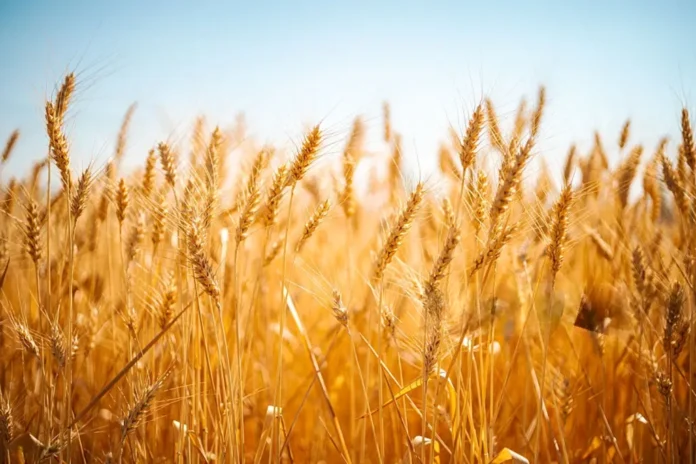
Arabfields, Imed Aissaoui, Oran, Algeria — The Algerian authorities have initiated an international bidding process to acquire 50,000 tons of durum wheat, a move designed to strengthen the country’s strategic food reserves amid ongoing efforts to ensure market stability.
The National Grain Professional Office issued the tender, which remains open to suppliers from various global origins. Bids must be submitted by Wednesday, with validity extending through the following day. Deliveries are planned in three separate shipments scheduled between mid-May and the end of June this year.
Traders familiar with the process noted that the specified volume serves primarily as a reference point. In similar past operations, Algeria has frequently secured substantially larger quantities once offers are evaluated and contracts finalized. This approach allows officials to respond flexibly to prevailing market conditions while maintaining adequate supply levels for domestic needs.
Officials emphasized that the tender forms part of broader monitoring of international grain markets. By engaging global suppliers on a regular basis, the country aims to mitigate potential disruptions and support consistent availability of essential commodities for its population.
One European trader, speaking on condition of anonymity, described the initiative as a standard but important step in Algeria’s procurement strategy. “Such tenders help secure supplies without committing immediately to maximum volumes, giving authorities room to adjust based on price developments and harvest outlooks,” the trader observed.
In the context of 2026 data, Algeria’s grain imports continue to play a vital role in meeting domestic demand. Recent market analyses indicate that the country has already secured hundreds of thousands of tons through comparable processes earlier in the year, reflecting sustained efforts to build buffers against volatility in global commodity prices.
Looking ahead, experts anticipate that Algeria will maintain an active procurement pace throughout the remainder of 2026 and into 2027. Projections based on current consumption trends and population growth suggest that annual wheat import requirements could rise modestly, potentially reaching additional volumes in the range of several hundred thousand tons if favorable pricing opportunities emerge. This strategy aligns with long-term goals of enhancing food security while supporting local agricultural development initiatives.
The latest tender underscores the government’s commitment to proactive supply management. As global grain markets evolve, with factors such as weather patterns in major producing regions and shifting trade dynamics influencing availability, Algerian officials appear prepared to adapt their purchasing decisions accordingly.
Observers expect further tenders to follow in the coming months, contributing to a steady flow of imports that will help stabilize prices and ensure sufficient stocks for milling and distribution across the country.