Arabfields, Sophia Daly, Financial Analyst specialized in Agriculture and Futures Markets — Algeria continues to play a major role in the global wheat market in 2026 as strong domestic demand and strategic food security policies sustain significant import activity despite efforts to increase local production.
Wheat remains one of the most important agricultural commodities in Algeria, where bread and semolina products are central to daily consumption. With a population exceeding 47 million people, the country’s demand for wheat continues to grow steadily, making Algeria one of the world’s largest wheat importers.
International purchases have remained robust throughout 2026 as authorities seek to ensure stable supplies for consumers and the domestic milling industry. Import volumes are expected to remain above 8 million metric tons this year, supported by demand for both milling wheat and durum wheat used in the production of pasta, couscous and other staple foods.
Global wheat prices have shown greater stability in 2026 compared with the volatility observed in previous years. Improved harvests in several exporting countries have helped increase supply availability, allowing importing nations such as Algeria to secure shipments under more favorable market conditions.
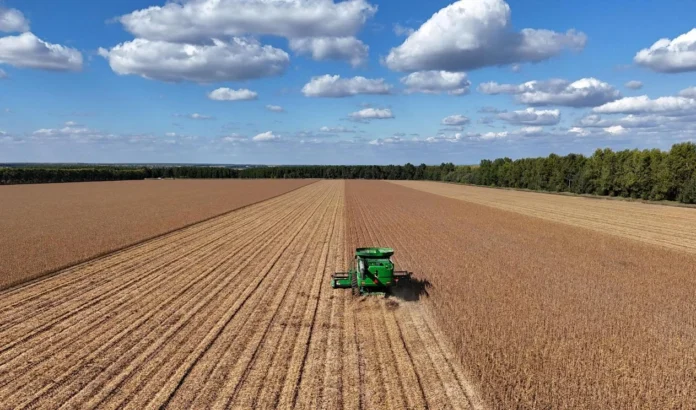
At the same time, the Algerian government continues to invest in agricultural development programs aimed at reducing dependence on imports. Efforts to expand cultivated land, improve irrigation infrastructure and increase yields in strategic farming regions have produced encouraging results in recent seasons.
Farmers in the country’s high plains and southern agricultural zones report gradual improvements in productivity. However, climatic conditions remain a key factor influencing domestic output.
“We have seen progress in production techniques and irrigation projects,” said Abdelkader Benali, a wheat producer in western Algeria. “But rainfall remains critical, and every season brings different challenges for farmers.”
Domestic wheat production in 2026 is estimated at approximately 3 to 4 million metric tons, depending on final harvest results and weather conditions. While this represents a substantial contribution to national food supplies, local production remains insufficient to fully satisfy growing demand, maintaining the need for significant imports.
Trade relationships with major wheat-exporting countries continue to evolve as Algeria diversifies its supply sources. International traders view the Algerian market as one of the most important destinations in the Mediterranean region due to its consistent purchasing activity and large consumption base.
Industry analysts note that food security remains a strategic priority for the country. Government reserves, infrastructure investments and procurement programs are designed to protect the domestic market from potential disruptions in global supply chains.
Looking ahead, forecasts suggest that Algeria’s wheat consumption will continue increasing through 2027 and beyond, driven by population growth and stable demand for wheat-based foods. Agricultural modernization projects are expected to improve local output over the coming years, although imports will likely remain an essential component of the national supply system.
If current investment programs achieve their objectives, domestic production could expand gradually during the next decade, reducing import dependence while strengthening food security. Nevertheless, international trade is expected to remain a crucial pillar of Algeria’s wheat market as the country balances growing consumption with the realities of agricultural production in a semi-arid environment.