Arabfields, Giulia Alliata, Economic Correspondent, Italia — Algeria and Germany are looking to deepen commercial ties in agriculture as their broader economic relationship gains momentum, with food products, agricultural equipment, technology and investment emerging as areas with room for stronger cooperation.
The renewed interest comes after a significant increase in bilateral trade. Algerian officials said trade between the two countries reached nearly $3 billion in 2025, compared with $1.74 billion in 2024. Germany ranked ninth among Algeria’s trading partners last year, fourth among its suppliers and 16th among its customers.
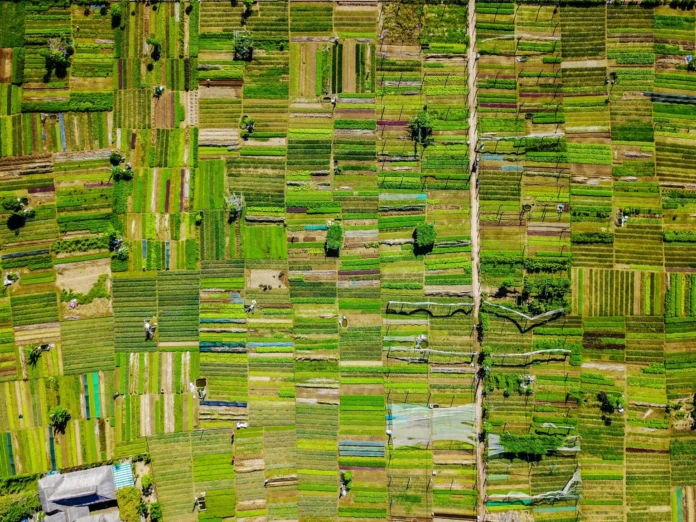
Agriculture is becoming an increasingly important part of Algeria’s economic diversification strategy. The country is directing close to $6 billion a year toward agriculture, including support for fertilisers, irrigation, mechanisation and agricultural equipment. The government is also seeking to expand production in cereals, dairy, food processing and other parts of the agricultural value chain.
For German companies, the opportunity extends beyond selling food. Germany is already a major European supplier to Algeria, with exports including foodstuffs, chemicals and machinery. Agricultural machinery and irrigation technologies could become particularly relevant as Algerian producers seek to raise yields while managing pressure on water resources.
A farmer in northern Algeria considering new equipment is likely to look at the relationship in practical terms. Better machinery can reduce labour requirements, improve planting efficiency and help producers handle larger areas. For German manufacturers, meanwhile, Algeria offers a nearby market where demand for modern agricultural technology is expected to grow as investment in farming increases.
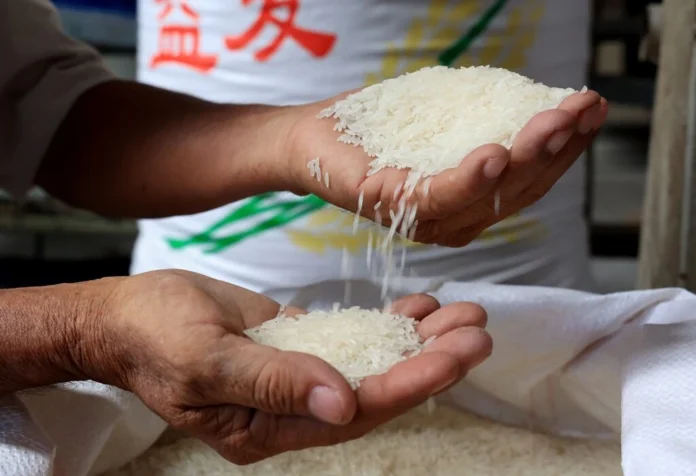
The wider European agricultural relationship also gives an indication of where future opportunities could develop. Algeria remains a net importer of European agri-food products, particularly wheat, dairy products and live animals, while European markets mainly receive Algerian dates, sugar and seeds.
The bilateral agenda adopted in July 2026 could provide additional momentum. Germany and Algeria said they wanted to strengthen trade and investment relations and highlighted the overall upward trend in bilateral commerce. The two governments also stressed the importance of improving the business climate and encouraging investment.
That creates room for agricultural trade to move beyond traditional imports and exports. Future cooperation could increasingly involve German technology being combined with Algerian land, labour and investment, particularly in irrigation, food processing, storage, livestock production and farm mechanisation.
The outlook is therefore cautiously positive. If bilateral trade maintains the momentum seen between 2024 and 2025, agricultural commerce could expand steadily over the next several years, especially as Algeria increases domestic agricultural investment. German suppliers are likely to find more opportunities in equipment and technology, while Algerian producers could gain improved access to European know-how and processing markets.
The biggest test will be whether commercial agreements translate into projects on farms. For producers, the value of closer ties will ultimately be measured in higher yields, lower costs and more reliable access to markets. For both countries, agriculture could become a practical new pillar of a relationship that has traditionally been driven by energy, industrial goods and machinery.