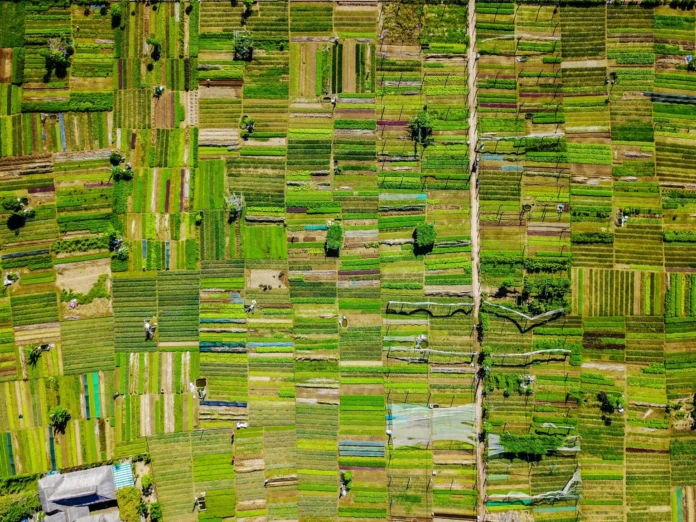
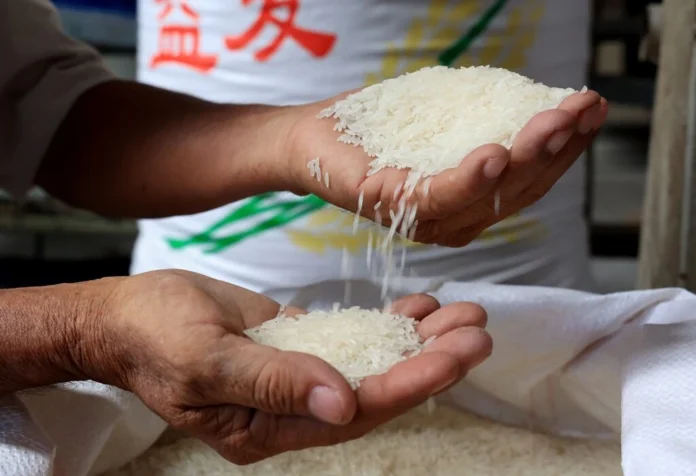
Arabfields, Giulia Alliata, Economic Correspondent, Italia — Algeria and Italy are moving to give agriculture a larger role in their economic partnership, with new initiatives since June pointing toward closer cooperation in food production, agricultural technology, research and trade.
The two countries already have a substantial commercial relationship. Italian Ambassador Alessandra Schiavo said in June that bilateral trade had exceeded €13 billion, making Algeria Italy’s leading partner on the African continent. Agriculture is now emerging as one of the areas where both sides see room to broaden that relationship beyond its traditional energy focus.
The momentum was visible earlier in the year at Sipsa Filaha & Agrofood 2026 in Algiers, where Italy sent 32 exhibitors, making it the second-largest foreign delegation. Italian companies presented agricultural machinery, technologies and livestock-related solutions, reflecting growing interest in Algeria’s expanding agricultural and agri-food market.
For Italian businesses, Algeria offers a nearby market with significant demand for equipment, technology and food-sector expertise. For Algerian producers, the relationship could help improve productivity and create new opportunities to process and export agricultural goods rather than relying mainly on domestic sales.
That prospect gained another boost in June with the launch of the Enrico Mattei Agricultural Training, Research and Innovation Center at Djillali Liabes University in Sidi Bel-Abbes. The project is designed to bring Algerian and Italian expertise together in agricultural science, innovation and agri-food industries, giving the partnership a practical dimension that goes beyond trade figures.
The wider trade environment also creates opportunities. The European Union identifies Algeria as a net importer of agricultural products from Europe, particularly wheat, dairy products and live animals. At the same time, European markets import Algerian dates, sugar and various seeds. The EU-Algeria Association Agreement provides tariff preferences for a range of agricultural products, although some remain subject to quotas and specific conditions.
Yet the relationship is not without challenges. Algeria’s purchases of soft wheat from the European Union stood at 1.145 million tonnes by June 14, 2026, down 41.37 percent from the same point in the previous campaign. The decline shows how quickly agricultural trade can change as Algeria adjusts its purchasing strategy and domestic production.
For farmers and agricultural companies, the bigger question is whether the new cooperation can translate into investment on the ground. A farmer looking for better irrigation equipment, a processor seeking modern machinery or a young agronomist entering the sector could all benefit if Italian technology and Algerian production are increasingly connected.
The outlook from the second half of 2026 is therefore cautiously positive. The combination of more than €13 billion in overall bilateral trade, a strong Italian presence at Algeria’s agricultural trade fairs and the creation of a joint agricultural innovation center suggests that agriculture is likely to occupy a larger place in the relationship over the next few years.
If these projects lead to sustained technology transfers, training and investment, agricultural trade between Algeria and Italy could expand beyond traditional imports and exports toward longer-term production partnerships. That would give Algerian producers greater access to technology while opening a growing North African market for Italian agricultural companies.
The coming seasons will show whether the renewed focus can produce measurable gains in farm productivity and agri-food exports. For now, the direction is clear, Algeria and Italy are increasingly treating agriculture not simply as a trade sector, but as a potential pillar of their broader economic partnership.