Arabfields, Naïla Mokhtari, Correspondent, São Paulo, Brasil — Argentine orange and mandarin growers are facing a difficult season as falling farmgate prices, rising production costs and weaker returns combine to put pressure on orchards across the country.
The squeeze is particularly severe for smaller producers, many of whom are struggling to cover the cost of harvesting and transporting fruit to packing facilities. Industry figures indicate that citrus production in Argentina is expected to decline by almost 6% in 2026, adding to concerns about the financial sustainability of some farms.
For growers, the problem is not simply the size of the harvest. The price they receive for their fruit has become increasingly important as labour, fuel, fertiliser, packaging and logistics costs rise.
In citrus-producing areas, farmers are being forced to make difficult decisions about how much fruit to harvest and how much investment to put into their orchards. Some producers have delayed maintenance work or reduced spending on inputs as they try to protect cash flow.
One grower described the situation as a race between costs and selling prices. Even when trees produce a reasonable crop, the margin can disappear quickly once harvesting, transport and packing expenses are taken into account.
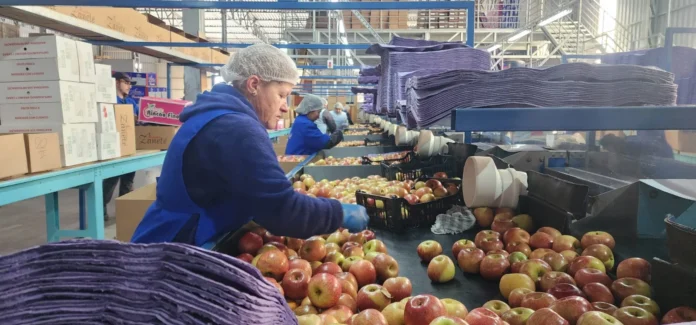
The pressure is also being felt further along the supply chain. Packing companies need sufficient volumes to operate efficiently, while growers need prices that justify bringing fruit from the orchard to the market. When returns fall below that level, fruit may be diverted to processing or left unharvested.
Recent estimates suggest that producers would need to receive between 250 and 300 pesos per kilogram of fruit to cover their costs in some production areas. Prices below that level can leave growers operating with little or no margin, particularly on smaller farms.
Argentina’s citrus industry is also exposed to international market conditions. Export opportunities depend on demand in overseas markets, exchange rates, freight costs and competition from other producing countries. These factors can change the value of Argentine fruit even when domestic production remains relatively stable.
The outlook for 2026 therefore remains challenging. With production forecast to fall by nearly 6%, any further deterioration in farmgate prices could increase the financial pressure on growers and encourage some producers to reduce orchard investment.
At the same time, lower domestic output could eventually help tighten supplies and provide some support to prices if demand remains stable. That effect, however, would depend on the relationship between production costs, domestic consumption and export demand.
For consumers, the consequences may emerge gradually through changes in availability and retail prices. For growers, the impact is already more immediate. The cost of maintaining an orchard continues regardless of whether the final selling price provides an adequate return.
The industry is consequently entering a period in which productivity and market access will become increasingly important. Producers able to control costs, improve yields and secure stronger commercial outlets may be better positioned to withstand the pressure, while smaller farms with limited financial reserves face a narrower margin for error.
Argentina’s citrus sector has recovered strongly in some export categories, with fresh lemon exports rising sharply during the first four months of 2026. But oranges and mandarins face their own market conditions, and stronger performance in one citrus segment does not automatically translate into better returns for growers of another.
Over the coming seasons, the direction of prices will remain closely linked to production volumes, domestic demand and international competition. If costs continue to rise faster than farmgate prices, the decline in production could extend beyond the current season as growers reconsider whether ageing or low-productivity orchards are economically viable.
For the farmers working among Argentina’s citrus trees, the immediate priority is therefore straightforward, to ensure that each kilogram harvested generates enough revenue to justify the work and investment required to produce it. The longer-term question is whether the market can provide those returns before more producers decide that leaving the orchard is financially safer than maintaining it.