Arabfields, Maleeka Kassou, East, West and Central Africa Agriculture Correspondent — Ethiopia is preparing to expand commercial date production as the government seeks to diversify agricultural exports and reduce the country’s reliance on established commodities such as coffee, oilseeds and cut flowers.
Agricultural products account for about 70% of Ethiopia’s merchandise exports, making the development of new crops a priority for policymakers. The Ministry of Agriculture is preparing a 10-year plan to scale up date cultivation, with the goal of turning the country from a net importer into a supplier to regional and international markets.
The strategy was presented during the second International Date Palm Festival, held from September 20 to 22 in Semera, Afar region. Authorities aim to increase the area under date palms to 25,000 hectares, from approximately 6,000 hectares currently.
For farmers in Afar, where agricultural activity is constrained by arid conditions and limited water resources, the expansion of date production could offer opportunities to diversify incomes. However, achieving commercial-scale output will depend on access to irrigation, quality planting materials and reliable markets.
The government’s plan includes land mapping, stronger agricultural institutions and the organisation of producers into cooperatives. It also calls for the large-scale multiplication of high-performing date palm varieties through tissue culture laboratories, alongside the expansion of drip irrigation systems designed to improve water efficiency.
Investment in storage, processing, packaging and distribution is expected to form another part of the programme. These facilities will be important for reducing post-harvest losses and helping Ethiopian producers meet the quality requirements of international buyers.
Global Demand Offers Growth Opportunity
Ethiopia’s plans come as the global date market continues to expand, creating potential opportunities for new producing countries.
According to Fortune Business Insights, the global date market was valued at $32.7 billion in 2025 and is projected to reach $34.5 billion in 2026. The market could grow to $55.58 billion by 2034, representing a compound annual growth rate of 6.14%, according to the research firm.
The Middle East and Africa accounted for 85.28% of the global market in 2025. Rising consumer interest in foods perceived as healthy, along with growing awareness of the nutritional value of dates, is expected to support demand in the coming years.
If the market follows these projections, Ethiopia could find opportunities to develop regional supply chains while gradually targeting overseas buyers. However, capturing a share of this growth will require more than expanding cultivated land. Producers will need access to consistent planting materials, technical support and infrastructure capable of supporting commercial volumes.
The Ministry of Agriculture estimates that between 500,000 and 700,000 hectares of land in Ethiopia could be suitable for date palm cultivation. With only around 1.2% of this estimated potential currently in use, the country has considerable room for expansion. Even if the 25,000-hectare target is achieved, cultivation would remain a small portion of the available area.
Export Ambitions Face Structural Challenges
The scale of the government’s ambition also highlights the challenges facing the emerging industry. Establishing plantations requires substantial investment and several years before trees reach commercially productive yields, depending on the varieties and growing conditions.
For Ethiopia, the development of the date sector will therefore depend on its ability to connect agricultural production with processing, storage and export infrastructure. Access to finance and technical expertise will also influence how quickly farmers can adopt improved cultivation methods.
The initiative comes as Ethiopia’s agricultural exports generate significant foreign-exchange earnings. During the 2025/2026 fiscal year, agricultural exports brought in $4.55 billion, while coffee alone accounted for $3.1 billion.
The government hopes date production can eventually contribute to this export base, although the sector is still at an early stage compared with Ethiopia’s established agricultural industries.
Over the next decade, progress toward the 25,000-hectare target could provide an indication of the country’s ability to translate its agricultural potential into a competitive date industry. The scale of export growth will ultimately depend on production yields, investment in the value chain and Ethiopia’s capacity to secure customers in regional and international markets.
Algeria’s Deglet Nour Sets a Quality Benchmark
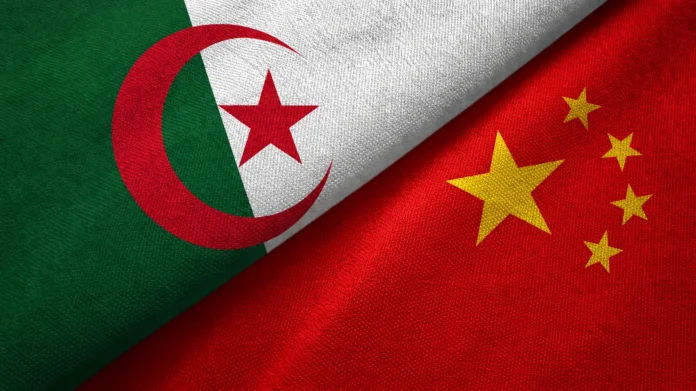
As Ethiopia seeks to establish itself in the international date market, Algeria’s established reputation offers a useful point of comparison. The North African country is known for its flagship Deglet Nour variety, widely regarded as one of the world’s most prized dates.
Often described as the “queen of dates”, Deglet Nour is valued for its distinctive texture, sweetness and translucent appearance. In January 2026, the culinary guide TasteAtlas ranked the variety second among the world’s best dates, highlighting its international recognition among consumers.
Algeria’s position in the sector is supported by the strong presence of Deglet Nour in its export trade. According to the Centre for the Promotion of Imports, the variety accounted for more than 84% of Algeria’s date exports, while France remained a major European destination in 2025.
The reputation of Algerian dates, particularly Deglet Nour, reflects the importance of product quality, established production expertise and access to export markets. However, international competitiveness also depends on packaging, product diversification and the ability to meet changing consumer requirements.
For Ethiopia, Algeria’s experience illustrates the scale of the challenge facing a country seeking to build a new date industry. Ethiopian producers will need to develop their own competitive advantages while competing with established suppliers that already benefit from recognised varieties and international distribution networks.
Export Ambitions Face Structural Challenges
The scale of the government’s ambition also highlights the challenges facing the emerging industry. Establishing plantations requires substantial investment and several years before trees reach commercially productive yields, depending on the varieties and growing conditions.
For Ethiopia, the development of the date sector will therefore depend on its ability to connect agricultural production with processing, storage and export infrastructure. Access to finance and technical expertise will also influence how quickly farmers can adopt improved cultivation methods.
The initiative comes as Ethiopia’s agricultural exports generate significant foreign-exchange earnings. During the 2025/2026 fiscal year, agricultural exports brought in $4.55 billion, while coffee alone accounted for $3.1 billion.
The government hopes date production can eventually contribute to this export base, although the sector is still at an early stage compared with Ethiopia’s established agricultural industries.
Over the next decade, progress toward the 25,000-hectare target could provide an indication of the country’s ability to translate its agricultural potential into a competitive date industry. The scale of export growth will ultimately depend on production yields, investment in the value chain and Ethiopia’s capacity to secure customers in regional and international markets.