Arabfields, Imed Aissaoui, Oran, Algeria — Algeria and Belarus are exploring new opportunities to expand bilateral trade, with discussions focusing on industrial investment, agricultural exports and the possible local production of Belarusian machinery.
Algeria’s Minister of Foreign Trade and Export Promotion, Kamel Rezig, met Belarusian Ambassador Evgueni Sobolevski in Algiers on October 19 to review economic cooperation and assess progress in implementing agreements reached between the two countries.
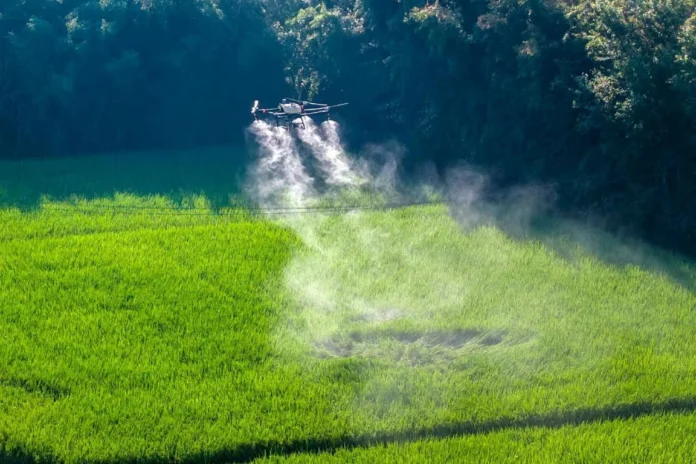
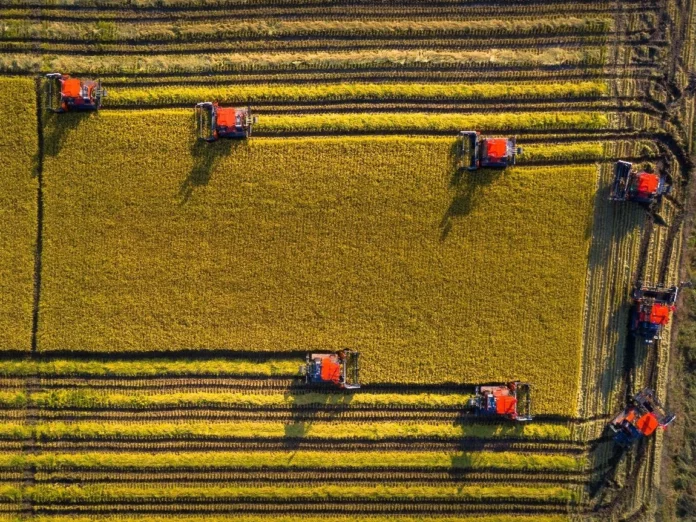
A central issue was the possibility of establishing manufacturing facilities in Algeria for Belarusian tractors, buses and grain-drying equipment. The discussions also covered potential initial deliveries of Belarusian machinery to the Algerian market, a move that could help manufacturers assess local demand before considering larger commercial commitments.
For Algeria, the proposals offer an opportunity to strengthen its industrial capacity and improve access to equipment used in agriculture and transport. Local manufacturing, if implemented, could also create employment and support the development of technical skills, although the scale of these benefits will depend on investment decisions and the terms of future agreements.
Belarus, meanwhile, could gain a stronger foothold in North Africa by expanding its industrial presence in Algeria. The country’s machinery manufacturers would have an opportunity to develop commercial relationships with Algerian businesses while exploring the potential for longer-term partnerships.
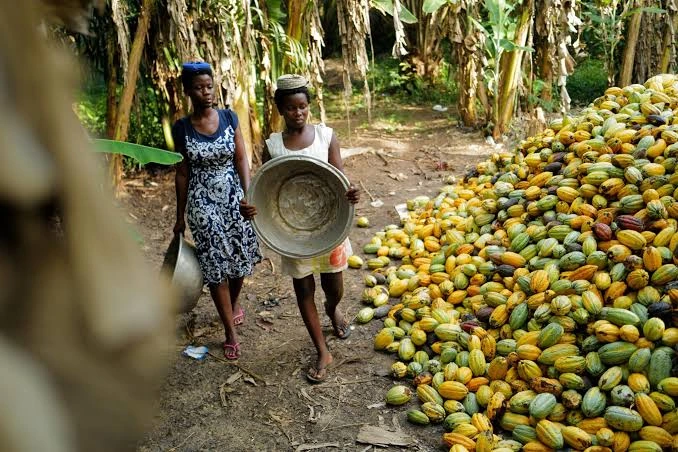
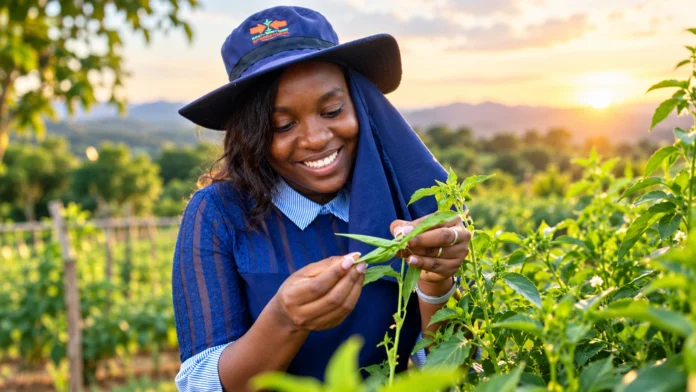
The talks also addressed an issue important to Algeria’s export diversification strategy: improving access for its agricultural products in Belarus. Officials discussed the prospects for increasing shipments of fruit, olive oil and dates, products that could help Algerian exporters broaden their customer base beyond established markets.
For agricultural producers, access to additional overseas buyers can create opportunities to increase sales, particularly when domestic demand is insufficient to absorb expanding output. However, the commercial prospects for these products will depend on pricing, distribution networks, transport costs and compliance with import requirements.
The meeting comes as Algeria continues to seek stronger non-hydrocarbon exports and greater economic diversification. Developing industrial partnerships and expanding agricultural trade could contribute to that objective, provided that discussions lead to concrete contracts and sustained demand.
The two sides also considered the possibility of a visit to Belarus by Rezig, which could provide an opportunity to advance the proposals and engage directly with businesses involved in potential joint projects.
No financial commitments, production targets or implementation timetable were announced in the published account of the meeting. The proposals therefore remain at the discussion stage, with their commercial impact dependent on subsequent negotiations.
In the months ahead, progress will likely be measured by whether the two countries move towards trial machinery deliveries, establish clear plans for local manufacturing and identify practical arrangements for expanding agricultural exports. Initial shipments could help businesses evaluate demand and technical requirements before making larger investments.
For Algeria and Belarus, the challenge will be to turn diplomatic engagement into commercially viable projects. If the proposed cooperation advances, it could strengthen industrial links while opening additional opportunities for agricultural exporters, although measurable gains will depend on the agreements ultimately reached and their implementation.