Arabfields, Farah Benali, Economic Correspondent, China — Trade between China and Zimbabwe is expanding rapidly, with stronger mineral shipments, growing industrial output and improved access to Chinese markets creating new opportunities for businesses in southern Africa.
Bilateral trade reached approximately $4.4 billion in 2025, an increase of 15.2% from the previous year. The relationship has continued to gain momentum in 2026, with Zimbabwe increasing exports of lithium, steel and agricultural products to the Asian economy.
Figures released by China’s Ministry of Commerce show that Zimbabwe exported goods worth approximately $2.57 billion to China in 2025, while Chinese exports to Zimbabwe totalled $1.84 billion. This left Zimbabwe with a trade surplus of about $738 million, reflecting the importance of its natural resources and agricultural commodities to the Chinese market.
The latest momentum has been particularly strong in the first seven months of 2026. Zimbabwean exports to China increased by 142.4% to $1.44 billion, according to figures reported by the Chinese authorities. China’s share of Zimbabwe’s total exports rose from 12.5% to 19.6% over the period.
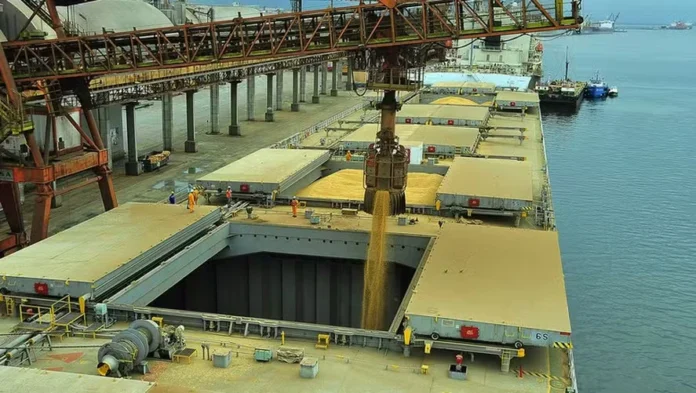
Lithium remains a major driver of the relationship as Chinese companies expand their presence in Zimbabwe’s mining and processing industries. The country has attracted substantial investment in lithium extraction and processing facilities, while steel production is also contributing to export growth. Shipments from Dinson Iron and Steel Company’s Manhize operations have helped broaden the range of products sold to China.
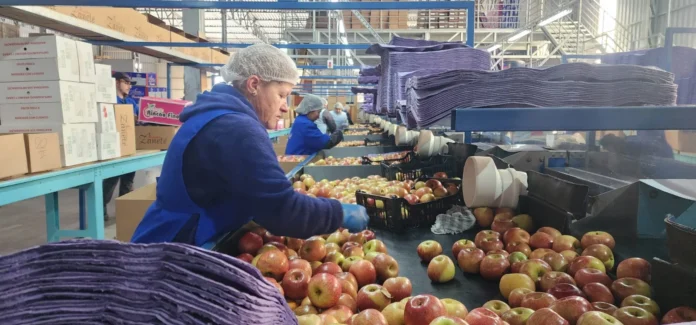
Agriculture is providing another source of growth. Zimbabwean producers are seeking to expand sales of citrus fruits, avocados and blueberries, creating opportunities beyond traditional exports such as tobacco and minerals. A Chinese zero-tariff policy for eligible imports from African countries, effective from May 1, 2026, is expected to improve market access for qualifying Zimbabwean goods.
For farmers and exporters, access to China could mean a larger customer base and new incentives to invest in production, packaging and transport. However, meeting food safety requirements, maintaining consistent supply and managing shipping costs will remain important challenges, particularly for smaller agricultural businesses.
Chinese investment is also extending into energy, infrastructure and manufacturing. Projects involving mineral processing, power generation and industrial production could help Zimbabwe increase the domestic value of its resources rather than relying exclusively on exports of unprocessed commodities. The longer-term economic benefits will depend partly on how much local employment, supplier activity and technical expertise these investments generate.
The outlook for the remainder of 2026 is encouraging, although continued growth is not guaranteed. If current export momentum persists, Zimbabwe could strengthen its trade surplus with China and increase earnings from lithium, steel and horticultural products. The country’s lithium export earnings have been projected to reach $1 billion in 2026, following approximately $500 million in 2025, although the final result will depend on prices, production and shipment volumes.
China’s demand for minerals and industrial materials will remain an important factor, while improved access for agricultural products could gradually diversify Zimbabwe’s export base. Nevertheless, reliance on a relatively small number of commodities leaves the country exposed to changes in international prices and demand.
For Zimbabwean businesses, the next challenge will be to turn expanding trade into lasting economic gains. Higher export revenues could support investment and employment, but stronger domestic processing capacity and a broader range of competitive products will be essential if the relationship is to deliver sustained growth beyond the mining sector.