Arabfields, Sana Dib, Financial Correspondent, Johannesburg, South Africa — African Union and United Nations officials are calling for greater investment in scientific research, artificial intelligence and agricultural technology to improve farm productivity, strengthen food security and help farmers adapt to increasingly unpredictable weather.
The appeal came as the Africa Science and Innovation Forum opened in Addis Ababa, Ethiopia, on October 27, bringing together regional institutions and agricultural experts to discuss how innovation can reshape the continent’s food production systems.
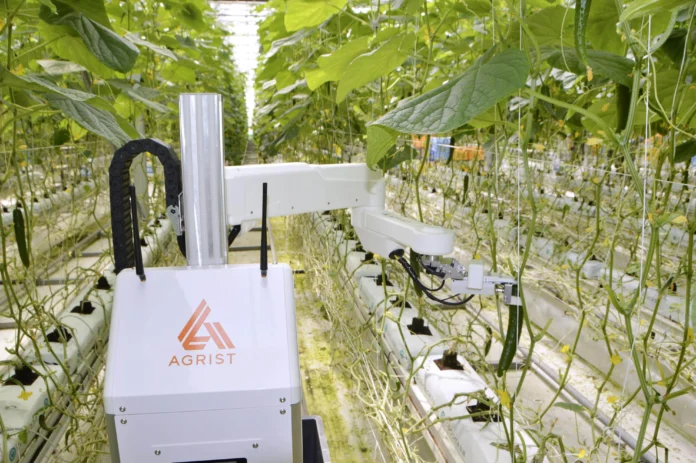
Abebe Haile-Gabriel, the Food and Agriculture Organization’s assistant director-general and regional representative for Africa, said artificial intelligence and other emerging technologies could help farmers turn complex agricultural data into practical decisions. These tools can support crop monitoring, identify disease risks and improve responses to changing weather conditions.
For farmers working with limited resources, the potential benefits are tangible. Earlier warnings about drought, pests or crop diseases could help them protect harvests, reduce unnecessary spending and make better use of scarce water and fertiliser. Digital advisory services could also help producers access information that might otherwise be difficult to obtain in remote rural communities.
However, officials warned that Africa’s innovation gap continues to affect production costs, product quality, food safety and the ability of agricultural businesses to meet market requirements. The problem extends beyond the availability of technology to whether farmers can afford it, understand how to use it and access reliable infrastructure.
Moses Vilakati, the African Union commissioner for agriculture, rural development, blue economy and sustainable environment, stressed that governments must move from policy commitments to practical implementation. This includes creating conditions that allow proven technologies to reach farmers on a larger scale and attract sustainable financing.
The challenge is particularly important for smallholder farmers, who play a central role in food production across many African countries but often face limited access to credit, irrigation, improved seeds and agricultural extension services. Advanced digital tools alone will not solve these problems if basic infrastructure and support systems remain inadequate.
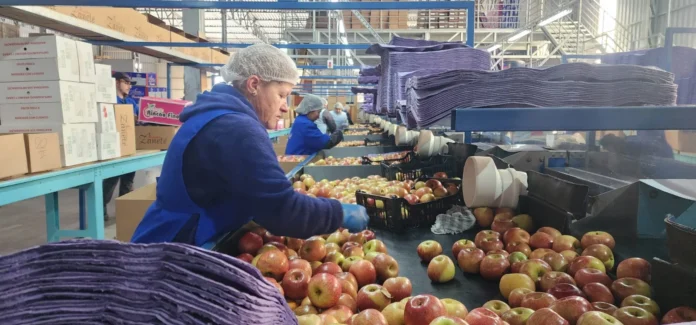
Research and innovation could also help African countries strengthen their agricultural value chains. Better storage, processing and transport systems can reduce post-harvest losses, while improved crop varieties and soil management practices can help increase yields and improve resilience to climate shocks.
The three-day forum is expected to develop a regional roadmap for translating scientific research and technological innovation into practical improvements across African agrifood systems. The discussions are focused on building stronger partnerships among governments, research institutions, businesses and farming communities.
The economic stakes are considerable. More productive farms can increase rural incomes, support food-processing industries and reduce the pressure on countries to rely on imported food. Yet these gains will depend on consistent investment, effective agricultural policies and technologies adapted to local growing conditions.
Looking ahead, wider use of AI-powered advisory services, digital weather information and precision farming could improve agricultural decision-making over the coming years. The pace of adoption, however, will depend on internet connectivity, affordable equipment, training and access to financing, particularly in underserved rural areas.
For African governments, the central test will be whether commitments made at regional meetings translate into measurable results on farms. Without predictable funding and clear accountability, promising research projects risk remaining small-scale experiments rather than becoming tools that improve food production and livelihoods across the continent.