Arabfields, Maleeka Kassou, East, West and Central Africa Agriculture Correspondent — High borrowing costs and concerns over the risks associated with farming continue to limit access to finance for agricultural businesses across Africa, threatening efforts to raise productivity, expand food production and strengthen rural economies.
Despite agriculture’s importance to employment and food security, banks and other commercial lenders remain cautious about financing the sector. Seasonal revenues, unpredictable weather, volatile commodity prices and limited collateral make it difficult for many farmers to secure loans on affordable terms.
For a smallholder farmer preparing for a planting season, the consequences can be immediate. Without sufficient credit, purchasing certified seeds, fertiliser or irrigation equipment becomes more difficult. Some producers are forced to reduce the area they cultivate, use fewer inputs or turn to informal lenders charging higher rates.
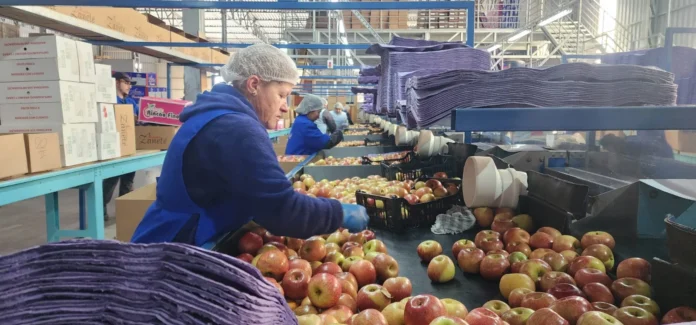
The financing gap also affects agricultural businesses that connect farmers to markets. Small processors, storage operators and input suppliers often need substantial upfront investment but may lack the financial records or assets required to qualify for conventional bank loans.
The scale of the challenge is significant. Agriculture receives less than 4% of commercial lending in Africa, according to figures cited by development organisations. Meanwhile, estimates presented by the African Development Bank have put the continent’s annual financing gap for smallholder farmers at around $75 billion.
The shortage of affordable credit is particularly damaging as farmers face rising production costs and increasingly unpredictable weather. In rain-fed farming regions, a drought or delayed rainy season can undermine harvests and leave borrowers unable to repay loans on schedule. Lenders, anticipating these risks, may respond with higher interest rates, stricter collateral requirements or shorter repayment periods.
Experts argue that traditional lending models do not adequately reflect the realities of agricultural production. Farmers often earn most of their income at harvest, yet loan repayments may begin well before crops generate revenue. Financing arrangements that do not account for seasonal cash flow can therefore place otherwise viable businesses under unnecessary pressure.
One proposed solution is blended finance, which combines commercial investment with concessional loans, grants or guarantees from development institutions. By sharing part of the risk, these arrangements can encourage lenders to support agricultural businesses that would otherwise struggle to obtain credit.
Another approach involves financing agribusinesses that already work directly with smallholder farmers. Input suppliers, processors and agricultural service providers can offer credit, technical assistance and market access through established local networks, potentially reaching more producers than banks could serve individually.
Digital financial services may also help. Mobile banking, transaction records and alternative credit assessments could enable lenders to evaluate borrowers who lack conventional collateral or extensive banking histories. However, these systems will need reliable data, consumer protections and accessible digital infrastructure to reach rural communities effectively.
Looking ahead, agricultural finance could expand if governments, banks and development partners combine risk-sharing mechanisms with better insurance, stronger rural infrastructure and repayment schedules aligned with harvest cycles. Such measures may improve lending confidence while giving farmers a more realistic opportunity to invest in productivity.
The outlook will depend on whether these approaches can move beyond pilot programmes and reach farmers at scale. Lower financing costs alone will not eliminate the risks associated with agriculture, but better-designed credit products and stronger support systems could make investment more attractive to both lenders and producers.
For Africa’s agricultural sector, the central challenge is not simply finding more money. It is building financing systems that recognise the realities of farming, distribute risk more fairly and enable rural businesses to invest without taking on debts they cannot sustainably repay.