Arabfields, Maleeka Kassou, East, West and Central Africa Agriculture Correspondent — Africa’s green economy is gaining momentum as investors turn their attention to renewable energy, sustainable agriculture and climate-focused technologies, with more than $500 million in proposed investments identified across 13 African countries.
The opportunities are highlighted in two investment publications released ahead of the fifth Africa’s Green Economy Summit (AGES), scheduled to take place in Cape Town from February 23 to 26, 2027. The publications feature 20 projects seeking financing to expand operations, develop infrastructure and bring new technologies to African markets.
The projects reflect growing interest in businesses capable of addressing some of the continent’s most pressing challenges, including unreliable electricity supplies, agricultural inefficiencies and rising pressure on natural resources.
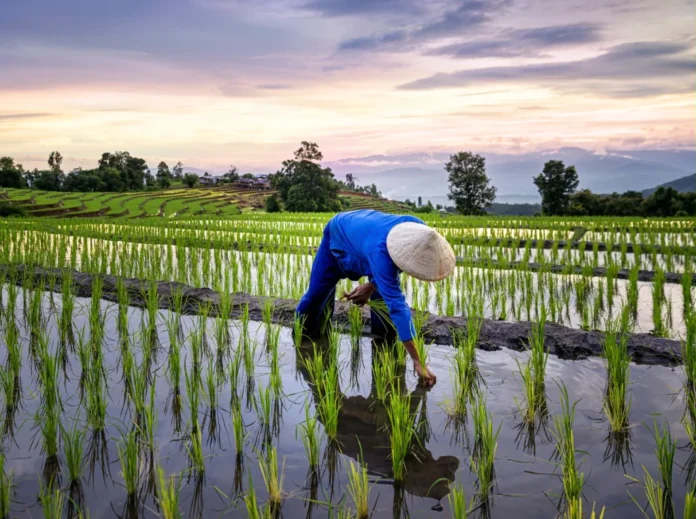
Among the major proposals is MamboAnesu Energy, a solar development in Zimbabwe with a planned capacity of 200 megawatts. In Egypt, Eden Menia Egypt Farm is combining renewable energy, modern irrigation systems and digital farm management to improve agricultural productivity.
Kenya is also emerging as an important market for clean technology. Spiro ESS is developing a programme to reuse batteries from electric motorcycles as stationary energy storage systems. The initiative could help extend battery lifespans while supporting electricity access and improving the reliability of renewable energy supplies.
For businesses and communities, such developments could have practical consequences. Farmers facing unpredictable rainfall and high operating costs could benefit from solar-powered irrigation, while small businesses could gain access to more reliable electricity without depending entirely on conventional power networks.
The investment drive also comes against a backdrop of rapid growth in renewable energy. Global renewable power capacity expanded by 692 gigawatts in 2025, while Africa added a record 11.3 gigawatts, according to figures cited in the 2026 renewable capacity statistics.
These figures suggest that the continent is entering a period of stronger demand for clean energy infrastructure. If the current expansion continues, solar power, battery storage and decentralised electricity systems are likely to attract a growing share of investment over the coming years. However, the pace of progress will depend on financing conditions, regulatory stability and the ability of developers to move projects from proposals to operational assets.
Small and medium-sized enterprises are expected to play an increasingly important role in this transition. Nigeria’s Powerbox Energy Systems, which produces modular solar and battery systems, is among the businesses seeking opportunities to expand local manufacturing. In South Africa, Adsorb Technologies is developing industrial applications for agricultural and forestry waste by converting these materials into activated carbon.
For these companies, access to capital could determine whether promising technologies remain at pilot stage or develop into commercially viable operations. Stronger partnerships with banks, infrastructure funds and international investors could also help African manufacturers compete in regional markets.
The summit’s organisers are seeking to bridge this financing gap through direct engagement between project developers and potential investors. The two Deal Books provide details on project readiness, financing requirements and business models, allowing investors to assess opportunities before entering into negotiations.
Gertrude Ogojiaku, chief executive of Asoba, has described the summit as a platform for turning discussions and investment networks into practical projects. Kaushik Burman, chief executive of Spiro Mobility, has also stressed the importance of cooperation between financial institutions, infrastructure investors and energy providers to accelerate electric mobility across Africa.
The challenge ahead will be converting investment interest into actual funding, construction and job creation. Although the proposed $500 million represents a significant pipeline of opportunities, it should not be interpreted as capital already secured.
With the next summit approaching in February 2027, investors will be watching whether the featured projects can demonstrate sufficient commercial viability to attract financing. For African businesses, farmers and households, the ultimate measure of success will be more reliable energy, stronger agricultural production and wider access to affordable clean technologies.
Africa’s green economy is attracting growing attention, but its long-term impact will depend less on the size of investment announcements than on how effectively those commitments translate into projects on the ground.