Arabfields, Mira Sabah, Special Economic Correspondent, Nairobi, Kenya — Somalia’s ongoing food crisis has long been attributed to recurring droughts, the impacts of climate change, and persistent insecurity in various parts of the country. These factors undoubtedly play significant roles in exacerbating hunger and vulnerability among millions of Somalis. However, beneath these immediate challenges lies a more fundamental structural issue within the nation’s food system, one that involves heavy reliance on imports from far-flung international markets while failing to fully harness the agricultural capabilities within its own borders or the abundant surpluses available in neighboring countries. This imbalance not only drives up costs for ordinary households but also leaves the population exposed to global price fluctuations and supply disruptions. A thoughtful and pragmatic approach to resolving this crisis involves pursuing a dual-track strategy, one that prioritizes expanding domestic production in areas where conditions are favorable, while simultaneously deepening trade ties with regional partners to ensure reliable and affordable food supplies in the interim.
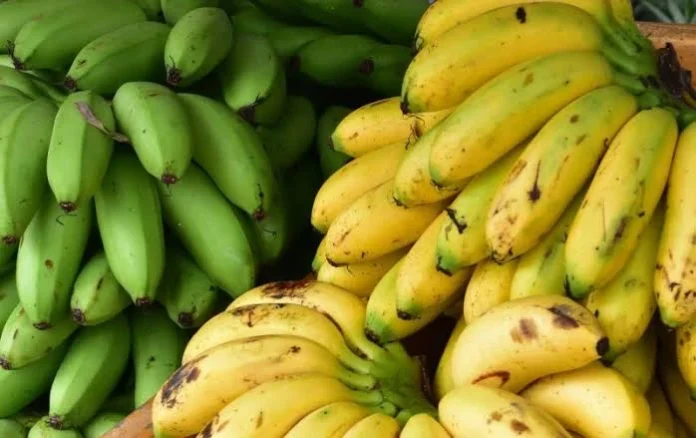
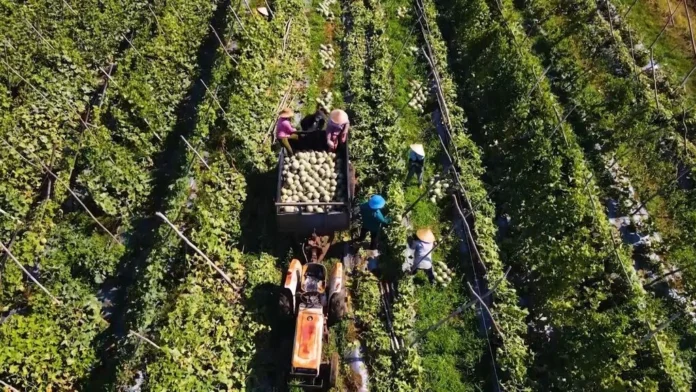
The agricultural landscape of Somalia is far more diverse than the common portrayal of a uniformly arid nation might suggest. In the fertile riverine zones along the Shabelle and Juba rivers, particularly in regions like Lower Shabelle and Lower Juba, the soil and water availability create ideal conditions for robust farming. These areas have historically supported the cultivation of staple crops such as maize, sorghum, and sesame, providing a solid base for food production. Moreover, they excel in fruit growing, with bananas once serving as a major export commodity that showcased Somalia’s potential on the global stage. Today, these same zones continue to yield abundant mangoes, papayas, guavas, citrus fruits including lemons and grapes, as well as watermelons and other melons. With improvements in irrigation and transportation infrastructure, scaling up this production could transform local markets, supplying fresh produce to nearby urban centers like Mogadishu, Kismayo, and Marka, thereby enhancing nutritional intake and generating steady income for farming communities.
Moving beyond the riverine heartlands, other parts of Somalia demonstrate varying but promising agricultural opportunities. In rain-fed areas such as Bay, Bakool, and sections of Hirshabelle, fruit cultivation remains viable on a seasonal basis, with mangoes, papayas, and select citrus varieties thriving during periods of adequate rainfall. Traditional systems have incorporated drought-resistant trees like tamarind, which could be expanded to bolster resilience. Further north, in Puntland and Somaliland, where water scarcity is more pronounced, date palms emerge as a particularly suitable crop, especially in coastal areas and natural oases. These palms, once established, demand minimal water and offer dual benefits of direct consumption and potential agro-processing into value-added products. Vegetable farming presents an even wider array of possibilities across the country. In riverine districts, year-round production of onions, tomatoes, cabbage, spinach, okra, peppers, eggplant, and carrots is achievable through effective water management. These crops are already integral to Somali cuisine, yet their inconsistent local availability forces heavy importation. By prioritizing vegetable plots near population centers, Somalia could drastically cut import needs, stabilize prices, and promote healthier diets rich in essential vitamins and minerals.
In drier central and northern regions, innovative techniques such as water harvesting, shallow wells, solar-powered pumps, and drip irrigation could enable the growth of high-demand vegetables like onions, tomatoes, cowpeas, leafy greens, and pumpkins during rainy seasons. Such adaptations would not only contribute to food security but also empower smallholder farmers with sustainable livelihoods. Looking ahead, if investments in these localized production efforts are sustained over the coming decade, projections suggest that Somalia could achieve a substantial increase in domestic fruit and vegetable output, potentially covering a significant portion of urban demand by the early 2030s. This growth would likely reduce the vulnerability of households to external shocks, foster rural economic development, and improve overall public health through greater access to fresh, nutrient-dense foods.
Yet, production alone does not address the full spectrum of the food crisis, as consumption patterns in Somalia play a equally critical role. Many urban dwellers, even when local produce is available, tend to prefer imported items, viewing them as superior in quality, reliability, or social status. This preference sustains high household expenditures on food, diminishes support for domestic farmers, and perpetuates dependence on overseas suppliers. Shifting toward greater consumption of locally grown fruits, vegetables, and staples could dramatically lower living costs, as regional produce avoids the extensive markup from international shipping, port charges, and currency risks. Money spent on homegrown food would circulate within Somali communities, bolstering farmer incomes and creating a more resilient economic loop. In the future, widespread adoption of this consumption shift, supported by ongoing public initiatives, could lead to a cultural renaissance around Somali agriculture, where local foods are celebrated as affordable, healthy, and emblematic of national pride. By the mid-2030s, such changes might result in a noticeable decline in import bills, freeing up resources for education, healthcare, and infrastructure.
Achieving this transformation requires active involvement from public institutions and community leaders. Awareness campaigns, integrated into schools and media, could highlight the benefits of local eating, while procurement policies for public facilities like schools and hospitals mandate sourcing from domestic farmers, thereby guaranteeing consistent demand. Religious and influential figures could advocate for these choices as responsible and community-oriented. Simultaneously, building consumer trust through investments in food safety, basic packaging, and market cleanliness would make local options more competitive. Over time, these efforts could evolve into a robust national movement, predicting that by 2040, a majority of Somali households might prioritize domestically produced foods, leading to enhanced food sovereignty and reduced malnutrition rates.
Public authorities must also focus on enabling farmers through practical support, including affordable access to quality seeds, tools, irrigation systems, extension advice, storage solutions, and improved rural connectivity. Post-harvest losses, which currently undermine competitiveness, could be minimized with targeted interventions. Protective measures, such as temporary restrictions on imports during peak local harvest seasons, would provide breathing room for domestic growers without causing shortages. In the years ahead, consistent implementation of these policies could forecast a doubling or tripling of fruit and vegetable yields in key regions within fifteen years, contributing to broader economic stabilization and job creation in agriculture-related sectors.
Recognizing the limits of full self-sufficiency given climatic constraints and infrastructure gaps, the second track of regional trade emerges as an indispensable partner to local efforts. Neighboring countries like Kenya and Ethiopia regularly produce surpluses that could meet Somali needs at lower costs and faster delivery times compared to distant sources. Streamlining cross-border trade would shield against global volatilities, offering affordability and reliability. Currently, bureaucratic hurdles make overseas imports paradoxically simpler than regional ones, but reforming governance could reverse this. In future scenarios, deepened integration with East African partners might position Somalia as a key player in regional food networks, potentially stabilizing prices even amid increasing climate challenges projected for the Horn of Africa through 2050. This intelligent regional reliance would complement growing local capacity, creating a hybrid system resilient to droughts and conflicts.
Ultimately, Somalia’s path forward lies in balancing these dual tracks, cultivating what the land can sustainably provide while strategically importing from nearby allies. This approach demands capable state institutions to support farmers, safeguard markets, facilitate trade, and guide consumer behavior. If pursued diligently, the coming decades could witness a profound shift from chronic insecurity to a more stable, nutritious, and economically vibrant food landscape, where Somalis benefit from both the fruits of their own soil and the strengths of their regional neighborhood. Such a future, grounded in realism and regional solidarity, holds the promise of lasting food security for generations to come.