Arabfields, Jamel derbal, Senior Correspondent: Innovation & Sustainability, Singapore — In a rapidly evolving agricultural landscape, cities like Ho Chi Minh City in Vietnam are taking bold steps to embrace technical advancements in seed production, setting an example for sustainable farming practices worldwide. On December 12, 2025, the Department of Agriculture and Environment in Ho Chi Minh City hosted a significant conference dedicated to disseminating progress in high-tech agricultural techniques, particularly focused on enhancing seed quality and production efficiency. This event underscored the city’s commitment to modernizing its agricultural sector, where high-tech methods already contribute to 45 percent of the total agricultural output value, demonstrating tangible economic and productivity gains from innovation.
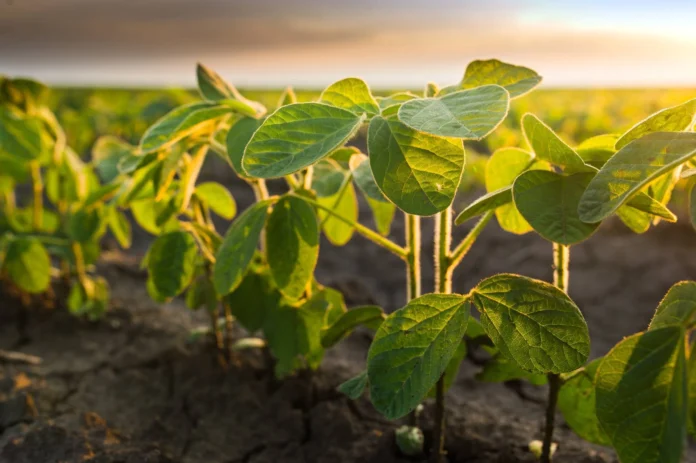
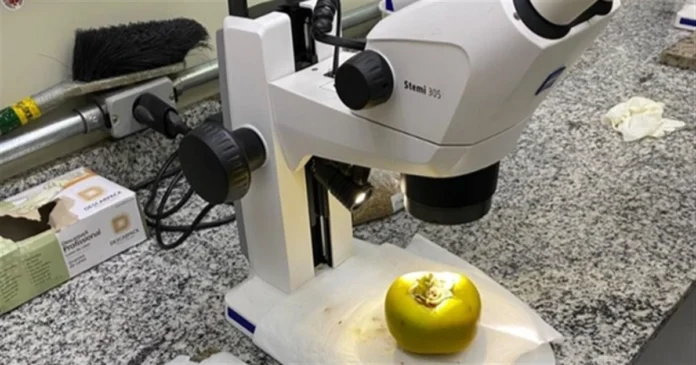
Speakers at the conference, including Deputy Director Duong Duc Trong, highlighted Ho Chi Minh City’s pioneering role in prioritizing advanced technologies, with notable achievements from research institutions applying new breeding sciences. From 2021 onward, efforts have resulted in the collection of 173 plant varieties, primarily vegetables, flowers, ornamental plants, and medicinal plants, while 14 new varieties have been selectively developed and 18 introduced into production. Biotechnology has played a crucial role, refining 12 processes for flowers and ornamentals, and improving seven for medicinal plants and mushrooms. These advancements not only boost yield potential but also enhance resilience in crop varieties, paving the way for more robust agricultural systems.
Looking ahead, projections based on the ongoing 2020-2030 high-tech farming program suggest continued expansion in these capabilities, with recommendations for modernizing infrastructure in breeding zones and high-tech production areas. Enhanced research capacities, coupled with innovative training for agricultural extension networks and effective technology transfer through demonstration models, are expected to drive further growth. By the end of the decade, such initiatives could significantly increase the adoption of high-tech practices, potentially raising their contribution to agricultural value beyond the current 45 percent, while fostering greater trade in advanced varieties and supporting economic development in related sectors.
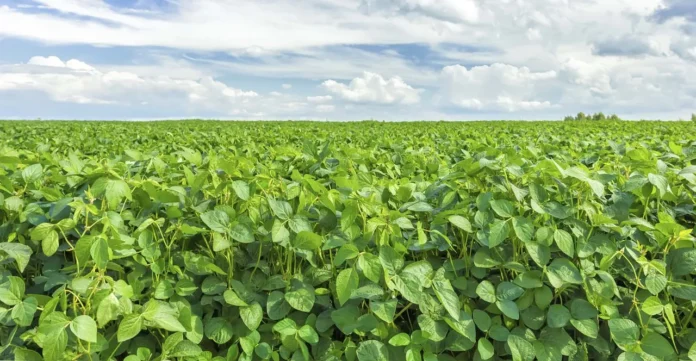
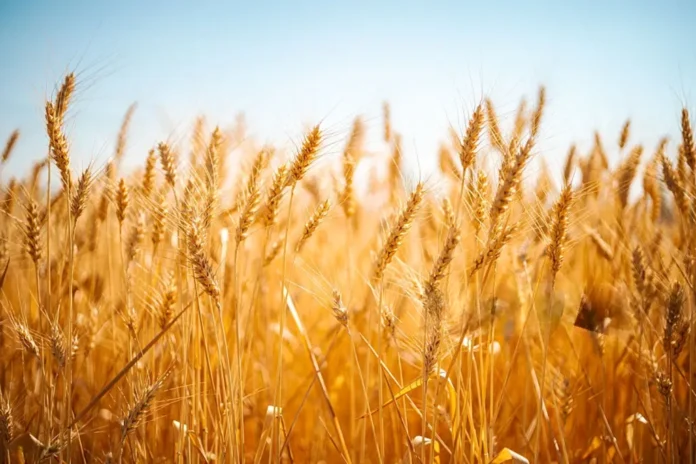
This focus on seed innovation resonates globally, as countries grapple with the need for sustainable intensification to meet growing food demands. In contrast to the biotechnology-driven variety improvements in Ho Chi Minh City, large-scale crop production in regions like Canada’s Prairies relies heavily on chemical inputs for major staples such as wheat and lentils. Wheat, a cornerstone of Canadian exports, often involves extensive herbicide applications, with glyphosate being the most widely used due to its effectiveness in weed control and as a pre-harvest desiccant. Studies indicate that winter wheat systems can sometimes reduce in-crop herbicide needs thanks to the crop’s competitiveness, yet overall pesticide use remains substantial, with herbicides applied on nearly 70 percent of crop farms nationally, and fungicides on about 23 percent. Residues in harvested wheat are generally below safety limits, but ongoing research explores ways to minimize applications while maintaining yields, especially amid concerns over environmental impacts and resistance development.
Similarly, lentil production in Canada, concentrated in Saskatchewan, faces challenges from poor crop competitiveness against weeds, necessitating robust herbicide strategies. Glyphosate is commonly employed pre-harvest for desiccation, alongside other products for broadleaf and grass control, while fungicides address diseases like ascochyta blight and anthracnose. Insecticides are used less frequently but remain important for pests such as grasshoppers. Recent incidents, including recalls of Canadian lentils in Europe due to glyphosate residues, highlight market sensitivities, prompting calls for careful management to align with international maximum residue limits. Trends show efforts toward layered herbicide approaches and higher seeding rates to improve natural competition, potentially reducing reliance on chemicals, though full-scale adoption varies.
Future forecasts for global agriculture, informed by initiatives like those in Ho Chi Minh City, point toward integrated approaches combining superior seed genetics with reduced chemical dependency. Enhanced varieties resistant to pests and diseases could diminish the need for pesticides in crops like wheat and lentils, mirroring the biotechnology gains in vegetables and ornamentals seen in Vietnam. As programs invest in infrastructure and knowledge transfer, projections indicate a shift where high-tech breeding contributes to higher yields with lower environmental footprints, potentially stabilizing production in the face of climate variability. By 2030 and beyond, widespread dissemination of resilient seeds may lead to more sustainable systems, where innovations in one region inspire reductions in pesticide use elsewhere, ultimately supporting food security and ecological balance across diverse farming contexts.