Arabfields, Imed Aissaoui — In the bustling heart of Muscat, where the arid Omani landscape meets the innovative spirit of international trade, a pivotal moment unfolded for Algeria’s agricultural sector during the Oman AgroFood 2025 exhibition. As the Algerian pavilion stood proudly as the guest of honor, it became a magnet for curious visitors and savvy economic operators alike, all drawn by the allure of high-quality, diverse products hailing from North Africa. The event, which wrapped up with resounding success, saw Algerian companies ink seven groundbreaking commercial contracts with their Omani counterparts, focusing on the export of dates, vegetables, fruits, chocolate, olive oil, and an array of other food items. This development, led by Algeria’s Minister of Agriculture, Yacine El-Mahdi Oualid, underscores a deliberate push toward bolstering bilateral ties in agriculture, fishing, and aquaculture, signaling not just immediate gains but a promising trajectory for sustained economic collaboration between the two nations.
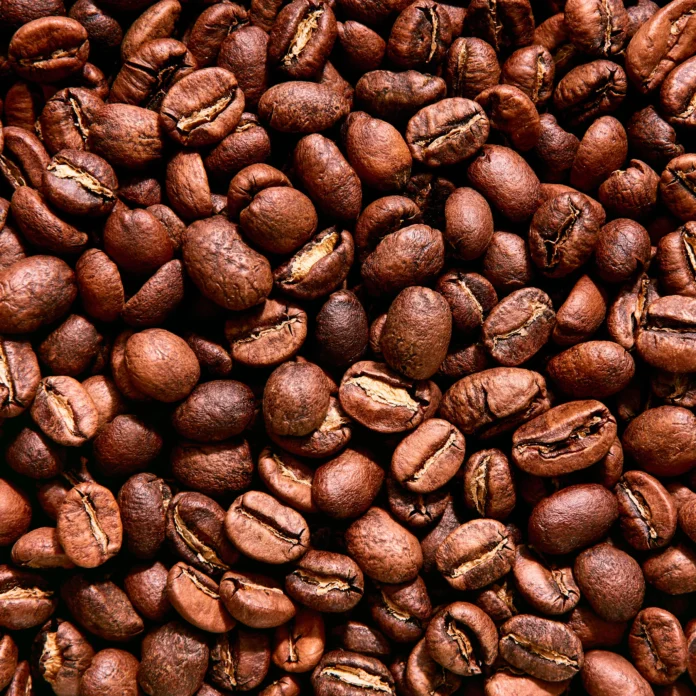
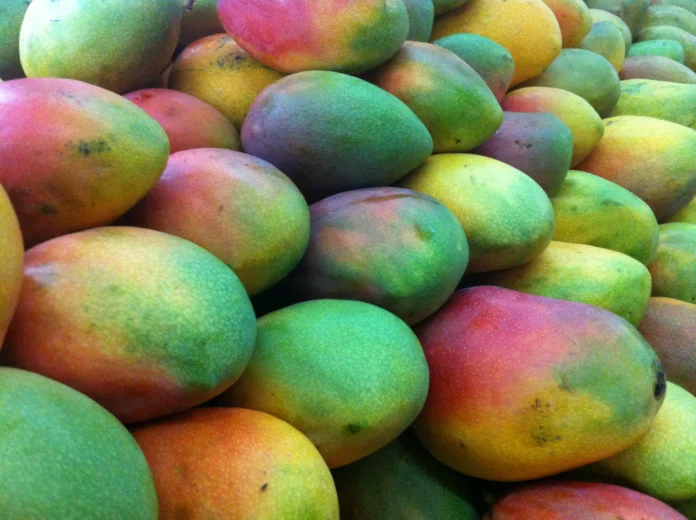
The Oman AgroFood 2025, held in the Omani capital from early December, provided a vibrant platform for over 200 exhibitors from around the globe to showcase advancements in agribusiness. Yet, it was Algeria’s presence that stole the spotlight, with the pavilion’s displays eliciting widespread praise for the freshness, nutritional value, and competitive pricing of its offerings. Attendees marveled at the meticulously arranged stalls brimming with sun-ripened dates from the Saharan oases, crisp vegetables harvested from the fertile Mitidja plains, and exotic fruits that evoked the Mediterranean’s bounty. Chocolate confections, crafted with Algerian cocoa blends and nuts, added a touch of indulgence, while bottles of golden olive oil promised the earthy authenticity of ancient groves. These weren’t mere samples, they were ambassadors of a nation intent on transforming its agricultural prowess into a global export engine.
At the core of this triumph were the seven contracts, each representing a tangible bridge across the Mediterranean and into the Gulf. While specifics on monetary values or shipment volumes remain under wraps for competitive reasons, the agreements collectively target a market where demand for premium, halal-certified imports is skyrocketing. Omani importers, facing domestic production constraints in a water-scarce environment, found in Algerian suppliers a reliable partner capable of delivering consistent quality at scale. The minister’s attendance, far from ceremonial, infused the negotiations with high-level momentum, as Oualid engaged directly with Omani business leaders to align on standards for packaging, certification, and logistics. His vision, articulated in on-site addresses, emphasized mutual benefits, from job creation in Algeria’s rural heartlands to diversified supply chains for Oman’s burgeoning food processing industry.
This exchange arrives at a fortuitous juncture for Algeria, whose economy has long grappled with overreliance on hydrocarbon exports. In recent years, government initiatives have poured resources into modernizing irrigation systems, expanding cold-chain infrastructure, and subsidizing farmer cooperatives, all aimed at elevating “Made in Algeria” from a local badge to an international hallmark. The Oman deals fit seamlessly into this narrative, exemplifying how targeted trade missions can yield outsized returns. Bilateral trade between Algeria and Oman, though modest at around $100 million annually in recent figures, has shown a 15 percent uptick in non-oil sectors over the past two years, driven by similar agricultural forays. With these contracts now in place, early shipments are slated to commence within the next quarter, potentially injecting fresh revenue streams into Algerian agribusinesses and fostering long-term supplier relationships.
Looking ahead, the implications of this Omani breakthrough extend far beyond the immediate signings, painting a canvas of robust future growth for Algerian exports in the Gulf Cooperation Council (GCC) region. By 2030, analysts project that Algeria’s agricultural exports could double from current levels of approximately $1.2 billion, with the Middle East emerging as a prime destination due to cultural affinities and logistical proximities. Oman’s role in this expansion seems poised to amplify, as its Vision 2040 economic blueprint prioritizes food security through diversified imports, allocating billions to agrotech investments that could integrate Algerian produce into value-added processing hubs. Imagine Omani factories churning out date-infused chocolates using Algerian bases, or vegetable blends packaged for export to neighboring UAE markets, these synergies could multiply trade volumes by 25 percent annually in the bilateral corridor.
One of the most exciting prospects lies in the untapped potential of dates and olives, staples that resonate deeply with Gulf palates. Algeria, the world’s third-largest date producer with over 1 million tons harvested yearly, has historically exported only a fraction to Europe and Asia, leaving ample room for penetration into Oman, where annual imports exceed 50,000 tons to supplement local yields. These new contracts could serve as a launchpad, enabling Algerian growers in regions like Biskra and Ghardaïa to scale operations through joint ventures, perhaps incorporating Omani drip-irrigation tech to combat climate variability. Similarly, olive oil exports, already a $200 million earner for Algeria, stand to gain from Oman’s rising health-conscious consumer base, where premium extra-virgin varieties command premiums of up to 30 percent over commodity grades. Projections suggest that by 2028, these streams alone could contribute $150 million to bilateral flows, bolstering Algeria’s foreign exchange reserves and funding further rural development.
Fruits and vegetables, the vibrant workhorses of the agreements, offer even broader horizons. Algeria’s citrus orchards and tomato fields, enhanced by recent EU-compliant phytosanitary upgrades, are primed for year-round supply to Oman’s retail chains. With global warming shifting seasonal patterns, Algerian growers could leverage off-season advantages, exporting peak summer tomatoes during Oman’s lean winters, potentially capturing 10 percent of the Sultanate’s $300 million fresh produce import market within five years. Chocolate, a newer entrant, taps into the Gulf’s confectionery boom, fueled by tourism and e-commerce; partnerships here might evolve into co-branded lines, blending Algerian almonds with Omani spices for niche exports to Europe, thereby creating a triangular trade dynamic that elevates both economies.
Yet, realizing this vision demands more than optimism, it requires strategic navigation of hurdles like fluctuating freight costs and evolving trade tariffs. Algeria’s recent free-trade pacts with the African Continental Free Trade Area could indirectly benefit GCC routes by optimizing port hubs in Algiers and Muscat, reducing transit times by up to 20 percent. Moreover, digital traceability tools, increasingly mandated in Gulf markets, will empower Algerian exporters to meet stringent sustainability audits, turning compliance into a competitive edge. As Oualid noted during the exhibition’s closing remarks, these contracts are “seeds planted for a harvest of mutual prosperity,” a metaphor that rings true when considering the ripple effects on employment: each deal could sustain hundreds of farm jobs in Algeria while stimulating Omani logistics and retail sectors.
Beyond economics, this collaboration weaves deeper cultural and diplomatic threads. Shared Islamic heritage and histories of non-aligned diplomacy position Algeria and Oman as natural allies, with agriculture serving as a low-politics entry point for broader engagements in renewable energy and tourism. Future iterations of Oman AgroFood, or reciprocal Algerian-hosted events, could spawn innovation clusters, where joint R&D yields drought-resistant date varieties or aquaculture feeds tailored for Red Sea fisheries. By mid-decade, such initiatives might position the duo as a model for South-South cooperation, inspiring similar pacts with Qatar and Kuwait, and collectively lifting Algeria’s GCC agricultural footprint to $500 million annually.
In essence, the seven contracts from Muscat are more than transactional wins, they are harbingers of a transformative shift. As Algeria refines its export playbook, drawing lessons from this Omani success, the “Made in Algeria” label could soon adorn supermarket shelves from Salalah to Dubai, symbolizing resilience and ingenuity. For Oman, embracing these imports fortifies its food sovereignty without compromising on quality, paving the way for a resilient, interdependent future. In a world of supply chain fragilities, this North African-Gulf nexus emerges as a beacon of stability, promising not just trade balances in the black but a shared legacy of abundance for generations to come.