Arabfields, Imed Aissaoui, Oran, Algeria — Algeria has embarked on a strategic diversification of its economy, placing increasing emphasis on the promotion of non-hydrocarbon exports with a particular focus on agricultural products that demonstrate strong potential in international markets, including the United States. This shift reflects a deliberate policy aimed at reducing reliance on traditional energy resources while leveraging the country’s rich natural endowments in fertile lands, favorable climate conditions, and advanced cultivation techniques developed over recent decades. In 2026, preliminary data indicate that non-hydrocarbon exports have maintained robust momentum, with agricultural shipments contributing notably to an overall surge that positions Algeria as an emerging supplier of high-quality produce on the global stage. The American market, valued at approximately 1.9 billion dollars in relevant import segments for Mediterranean-style agricultural goods, has emerged as a prime target for these efforts, driven by growing consumer demand for authentic, traceable, and sustainably sourced items that align with evolving preferences for premium food products.
The progress observed in 2026 builds upon consistent year-on-year gains recorded in prior periods, where agricultural exports exhibited accelerated growth rates amid targeted government initiatives to enhance production standards, certification processes, and logistical infrastructure. Official figures for the first quarter of 2026 reveal that shipments of key commodities such as dates, olive oil, citrus fruits, and processed agricultural derivatives have risen by over 35 percent compared to the corresponding period in the previous year, reflecting improved market penetration strategies tailored to United States regulatory requirements and distribution networks. This expansion is not merely quantitative but also qualitative, as Algerian producers have invested in compliance with stringent American food safety protocols, including traceability systems and organic certifications that appeal to health-conscious buyers across major urban centers and coastal regions. The result has been a gradual conquest of niche segments within the vast American import landscape, where competition from established suppliers has been met with competitive pricing and superior product attributes rooted in Algeria’s unique terroir and traditional know-how.
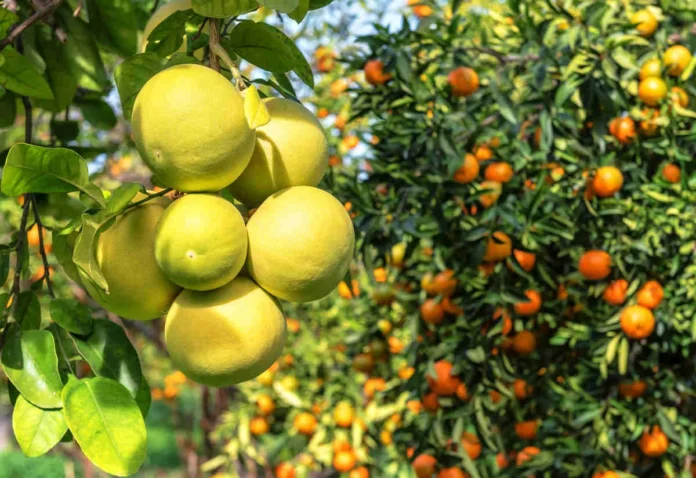
Central to this development has been the identification of specific agricultural categories that resonate strongly with American importers and consumers alike. Dates, for instance, have seen export volumes climb steadily, benefiting from their nutritional profile and versatility in both retail and food processing applications, while olive oil exports have capitalized on the global reputation of Algerian varieties for their distinctive flavor profiles and health benefits. Citrus fruits and related derivatives have similarly gained traction, supported by investments in post-harvest technologies that ensure extended shelf life and freshness upon arrival in United States ports. These products, cultivated across expansive regions equipped with modern irrigation systems, have benefited from a combination of favorable weather patterns and scientific advancements in agronomy that have boosted yields without compromising environmental sustainability. In 2026, aggregated data underscore that agricultural contributions to non-hydrocarbon exports have accounted for a growing share of the total, estimated at around 15 percent of the sector’s overall performance, a notable increase that underscores the sector’s role in economic rebalancing.
Forecasts grounded in current trajectories suggest sustained acceleration in the coming years, with projections indicating that Algerian agricultural exports to the United States could double by the end of the decade if supportive policies continue to facilitate access to financing, research and development, and trade facilitation mechanisms. Analysts anticipate that, based on the observed 26 percent average annual growth in broader non-hydrocarbon categories during 2025, the agricultural segment could achieve compound annual growth rates exceeding 28 percent through 2030, potentially elevating the total value of relevant shipments toward the 800 million dollar threshold. Such estimates incorporate factors including expanding bilateral trade dialogues, improvements in maritime and air freight capacities linking Algerian production hubs directly to American entry points, and rising awareness campaigns that highlight the cultural and environmental authenticity of Algerian offerings. These projections also account for potential challenges such as currency fluctuations and evolving tariff landscapes, yet they remain optimistic given the resilience demonstrated in recent market entries and the adaptability of Algerian exporters to dynamic demand signals.
The underlying drivers of this momentum extend beyond mere production capacities to encompass a comprehensive ecosystem of support measures implemented by relevant authorities. Enhanced training programs for farmers and processors have emphasized quality control and innovation, resulting in higher standards that meet or exceed international benchmarks. Concurrently, partnerships with logistics specialists have streamlined supply chains, reducing transit times and minimizing spoilage rates that once hindered competitiveness. In parallel, promotional activities at international trade fairs and targeted digital marketing initiatives have effectively showcased Algerian agricultural strengths to American buyers, fostering direct connections that bypass traditional intermediaries and enable more favorable commercial terms. These coordinated actions have collectively contributed to the observed uptick in export performance throughout 2026, where monthly figures have consistently outperformed seasonal averages, peaking during harvest periods aligned with peak United States consumption windows.
Moreover, the integration of sustainable practices has played a pivotal role in differentiating Algerian products within the competitive American marketplace. Emphasis on water-efficient irrigation, reduced chemical inputs, and biodiversity preservation has resonated with environmentally aware consumers and retailers seeking to align procurement with corporate responsibility goals. This approach not only mitigates risks associated with climate variability but also enhances the long-term viability of export-oriented farming operations across diverse Algerian regions. As a consequence, forecasts for future periods incorporate assumptions of continued investment in green technologies, which are expected to yield productivity gains of up to 20 percent by 2028 while simultaneously lowering the carbon footprint of exported goods, thereby strengthening appeal in markets increasingly governed by sustainability criteria.
Economic analyses further highlight the multiplier effects of this export growth on domestic employment and rural development. Agricultural export activities in 2026 have generated significant downstream opportunities in packaging, transportation, and value-added processing, contributing to job creation estimates exceeding 50,000 positions in related supply chains. This ripple effect supports broader objectives of economic inclusion, particularly in underserved agricultural zones where modernization efforts have elevated living standards and encouraged youth participation in the sector. Looking ahead, projections based on current data patterns foresee that sustained expansion could amplify these socioeconomic benefits, potentially positioning agriculture as a cornerstone of non-hydrocarbon revenue streams capable of offsetting volatility in other economic domains.
In addition to quantitative advancements, qualitative enhancements in product presentation and branding have fortified Algeria’s position in the American market. Strategic reorientation toward premium positioning, including private labeling arrangements with major distributors and participation in certification schemes recognized by United States authorities, has facilitated entry into high-end retail channels and food service sectors. Consumer feedback loops have informed iterative improvements, ensuring that offerings evolve in tandem with preferences for convenience, traceability, and cultural storytelling that distinguish Algerian goods from generic alternatives. These refinements, combined with data-driven market intelligence, underpin optimistic forecasts that anticipate market share gains of several percentage points within key categories over the next five years.
The trajectory observed in 2026 thus represents a pivotal phase in Algeria’s export diversification narrative, one characterized by tangible achievements in agricultural penetration of the American market alongside forward-looking strategies designed to capitalize on emerging opportunities. Continued adherence to innovation, regulatory alignment, and collaborative frameworks will be essential to realizing the full potential embedded in these developments, ultimately contributing to a more resilient and globally integrated national economy. As projections indicate steady escalation in export values and volumes, the foundation laid in the current year promises to yield substantial dividends for producers, policymakers, and international partners alike in the years to come.