Arabfields, Imed Aissaoui, Oran, Algeria — In a significant move aimed at transforming the country’s agricultural landscape, Prime Minister Sifi Ghrieb recently presided over the official installation of the National Council for Agricultural Mechanization, a body created in direct response to the directives issued by President Abdelmadjid Tebboune. This development marks a pivotal moment in Algeria’s ongoing efforts to modernize its agricultural sector, shifting from traditional methods toward a more efficient, technology-driven approach that promises to enhance productivity and secure long-term food sovereignty. The establishment of this council reflects a strategic vision to address longstanding challenges in the industry, positioning mechanization as a cornerstone of national economic growth and self-reliance.
The ceremony, held under the leadership of the Prime Minister, underscored the government’s commitment to revitalizing agriculture, a sector that has historically played a vital role in Algeria’s economy yet has faced constraints due to limited mechanization and reliance on imported equipment. By bringing together representatives from various governmental ministries, professional agricultural organizations, and national producers of agricultural machinery, the council is designed to foster collaboration across the board. This inclusive structure ensures that diverse perspectives, from policymakers to on-the-ground operators, contribute to informed decision-making, creating a unified front to tackle the complexities of modernizing farming practices nationwide.
At its core, the council’s mandate involves conducting a thorough assessment of the current state of agricultural mechanization in Algeria. This comprehensive review will identify gaps in equipment availability, inefficiencies in distribution, and opportunities for improvement, laying the groundwork for targeted interventions. One of the primary goals is to transition from a heavy dependence on foreign imports to a robust domestic production ecosystem. By encouraging local manufacturing of tractors, harvesters, irrigation systems, and other essential machinery, Algeria aims to build a self-sustaining industry that not only meets internal demands but also potentially positions the country as a regional exporter in the future.
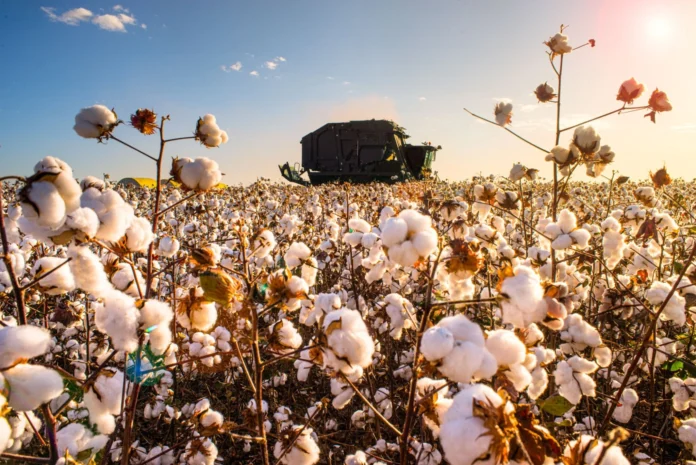
This initiative comes at a critical juncture when global food security concerns are intensifying, driven by climate change, geopolitical tensions, and supply chain disruptions. Algeria, with its vast arable lands in the north and ambitious projects to expand cultivation in the southern regions, stands to benefit immensely from enhanced mechanization. The council’s work is expected to accelerate the adoption of advanced technologies, such as precision farming tools, automated planting and harvesting systems, and smart irrigation solutions that conserve water in arid areas. These advancements will enable farmers to increase yields while reducing labor-intensive efforts, making agriculture more attractive to younger generations and stemming rural-to-urban migration.
Looking ahead, the impact of this council could be transformative over the next decade. Based on the strategic focus on local production and improved equipment accessibility, projections suggest that Algeria could reduce its agricultural machinery imports by at least half within five to seven years, channeling saved foreign currency into further sectoral investments. This shift would likely spur job creation in manufacturing hubs, particularly in regions with emerging industrial zones, fostering economic diversification beyond hydrocarbons. As domestic producers scale up operations, innovation in tailored machinery suited to Algeria’s diverse terrains, from coastal plains to high plateaus and desert oases, will become more feasible, leading to customized solutions that boost efficiency in key crops like cereals, olives, dates, and vegetables.
Furthermore, with mechanization at the forefront, agricultural productivity is poised for substantial growth. Current yields, often hampered by manual methods and outdated tools, could rise significantly, potentially increasing grain production by thirty to fifty percent in strategic areas through better tillage, seeding, and harvesting practices. This uplift would directly contribute to national food security goals, reducing vulnerability to international price fluctuations and ensuring stable supplies for the growing population. In the southern provinces, where large-scale land reclamation projects are underway, widespread mechanization will facilitate the cultivation of previously underutilized areas, turning vast stretches into productive farmlands and supporting initiatives like greenhouse expansions and hydroponic systems.
The council’s recommendations are anticipated to emphasize training programs for farmers, equipping them with the skills to operate and maintain modern equipment. This human capital development will be crucial, as successful mechanization extends beyond acquiring machines to building expertise in their use. Partnerships between the government, educational institutions, and private operators could lead to specialized academies or extension services, disseminating knowledge across rural communities. Over time, this investment in people will create a more resilient agricultural workforce, capable of adapting to emerging technologies like drone monitoring, AI-driven pest control, and data analytics for crop management.
Environmental considerations will also play a key role in the council’s agenda, aligning mechanization with sustainable diverg sustainable practices. Modern equipment often incorporates fuel-efficient engines and precision application systems that minimize chemical usage, helping to preserve soil health and reduce water consumption in a country prone to drought. As Algeria pursues its commitments to climate resilience, the push for mechanization could integrate renewable energy sources, such as solar-powered implements, further lowering the carbon footprint of farming operations. In the coming years, these efforts might position Algeria as a model for sustainable agriculture in North Africa, attracting international partnerships and funding for green innovations.
Economically, the ripple effects promise to be far-reaching. A mechanized agricultural sector will not only bolster food production but also stimulate related industries, from steel and engineering for machinery parts to logistics and maintenance services. This interconnected growth could contribute several percentage points to annual GDP from agriculture alone, while creating thousands of direct and indirect jobs. As local producers gain confidence and capacity, exports of Algerian-made equipment to neighboring countries could emerge, opening new revenue streams and strengthening regional trade ties.
Challenges remain, of course, including financing mechanisms for farmers to acquire equipment and ensuring equitable distribution across smallholders and large operations. However, the council’s multi-stakeholder composition provides a platform to address these issues head-on, potentially through subsidized loans, leasing programs, or cooperative models that pool resources. By prioritizing inclusive strategies, the initiative can prevent disparities and ensure that benefits reach all segments of the farming community.
In the broader context of President Tebboune’s vision for national development, the National Council for Agricultural Mechanization represents more than an administrative body, it embodies a forward-thinking policy framework dedicated to empowerment and innovation. As the council begins its work, the coming months will likely see the rollout of initial assessments and pilot projects, setting the stage for measurable progress. Within a decade, Algeria could witness a profoundly modernized agricultural sector, characterized by higher outputs, greater efficiency, and reduced external dependencies, ultimately securing a prosperous future for generations of farmers and contributing to the nation’s overall stability and growth.
This installation signals the dawn of an era where technology and tradition converge to unlock Algeria’s immense agricultural potential, paving the way for a more food-secure, economically vibrant tomorrow. The journey ahead, guided by strategic planning and collective resolve, holds the promise of turning ambitious goals into tangible realities, reinforcing the country’s position on the global stage.