Arabfields, Fatou Kouyaté, Economic Correspondent, Algiers, Algeria — In recent months, Algeria has faced a series of intense weather events that tested the resilience of its agricultural sector, yet the proactive measures implemented by authorities have demonstrably mitigated potential disasters and preserved vital production levels. Heavy rainfall, strong winds, hailstorms, and even localized flooding affected numerous wilayas across the country, phenomena that have become increasingly recurrent due to shifting climate patterns. These conditions, which in past years might have led to significant crop losses and disrupted food supply chains, were met with a robust system of preparedness that underscored the effectiveness of ongoing vigilance strategies. The outcome has been remarkably positive, with agricultural output remaining strong and, in many cases, exceeding expectations, proving that foresight and coordinated action can turn potential crises into manageable situations.
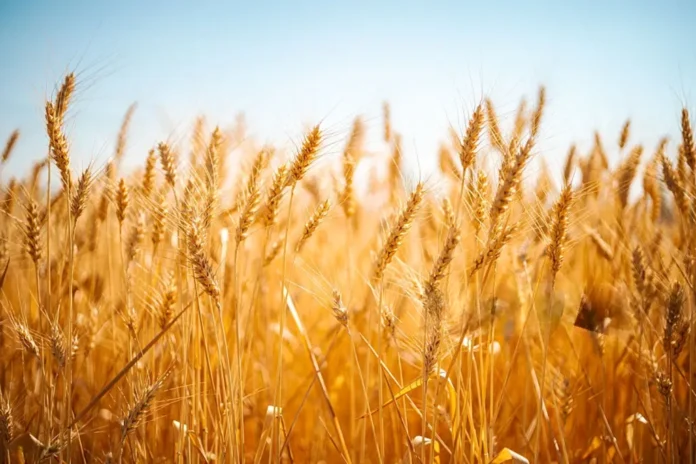
The agricultural landscape in Algeria has long been shaped by its diverse climatic zones, ranging from the fertile coastal regions to the vast steppe areas and southern oases, where cereal cultivation, vegetable farming, and fruit orchards form the backbone of rural economies. Recent intemperate weather struck at a critical time, coinciding with key phases of crop development and harvesting periods. Several provinces experienced torrential downpours that raised concerns about waterlogging in fields, soil erosion on slopes, and damage to infrastructure supporting irrigation systems. Violent winds uprooted young plants in some areas, while hail threatened delicate fruits and vegetables in others. Fires, sparked in drier zones during transitional weather shifts, added another layer of risk. Without adequate intervention, these events could have inflicted severe setbacks, particularly on strategic crops like wheat, barley, and durum, which are essential for national food security.
However, the story of this season is one of success rooted in anticipation and rapid response. Authorities, drawing on improved meteorological forecasting and early warning systems, mobilized resources well in advance of the forecasted disturbances. Drainage channels and riverbeds, known locally as oueds, were cleared of debris to prevent overflow and flooding in low-lying agricultural zones. Dams and reservoirs, part of an expanding network designed to capture excess water, played a crucial role in regulating flows and avoiding downstream inundation of farmlands. Emergency teams, coordinated at both national and local levels, were deployed to reinforce vulnerable embankments and assist farmers in protecting their fields. These efforts extended to providing temporary shelters for livestock and advising on timely harvesting to salvage crops before peak storm impacts. The integration of such measures reflects years of investment in disaster risk reduction, transforming what could have been widespread devastation into isolated, contained incidents with minimal overall impact.
The fruits of this vigilance are evident in the sustained productivity across major agricultural domains. Cereal production, a cornerstone of Algeria’s push toward greater self-reliance, benefited immensely from the balanced interplay of rainfall and protective actions. Abundant precipitation replenished groundwater reserves and supported robust growth in rain-fed areas, while preventive steps ensured that excess water did not turn beneficial rains into destructive floods. Reports from the field indicate that yields in key cereal-growing regions remained on track or even improved compared to previous seasons marked by drier conditions. Vegetable and fruit sectors, often more susceptible to hail and wind, also fared well, with farmers reporting limited losses thanks to timely coverings and diversified planting strategies encouraged by extension services. Overall, the agricultural sector demonstrated a remarkable capacity to absorb shocks, maintaining supply chains for domestic markets and contributing to stable food prices amid global uncertainties.
This positive outcome extends beyond immediate crop protection to broader economic implications. By safeguarding harvests, the vigilance efforts have bolstered rural incomes, supported employment in agro-related industries, and reduced the need for emergency imports that strain foreign reserves. The success reinforces the value of integrated approaches that combine traditional farming knowledge with modern technologies, such as satellite monitoring for weather patterns and mobile alerts for real-time updates to producers. It also highlights the collaborative spirit between government agencies, local authorities, and farming communities, where shared responsibility has yielded tangible benefits. In an era where climate variability poses ongoing threats, this model of preparedness serves as a testament to how proactive governance can shield vital sectors from unpredictability.
Looking ahead, the foundations laid through these vigilant practices position Algeria’s agriculture for even greater achievements in the coming years. With continued emphasis on expanding storage facilities, including new silos designed to handle bumper harvests from favorable rainy seasons, the country is poised to minimize post-harvest losses and ensure year-round availability. Investments in irrigation infrastructure, particularly in the vast southern regions, will likely enhance resilience against both floods and potential droughts, allowing for diversified cropping and higher yields per hectare. As meteorological data improves and early warning systems become more sophisticated, future weather events will be met with even swifter and more precise responses, further reducing risks to production.
Projections based on recent trends suggest that cereal output could reach new highs in the 2026 season and beyond, building on the momentum from 2025’s favorable conditions. If current patterns of adequate rainfall persist alongside strengthened preventive measures, Algeria may achieve significant milestones in food self-sufficiency, particularly for strategic grains. This trajectory would not only secure domestic needs but also open opportunities for exports, contributing to economic diversification away from hydrocarbons. Moreover, adaptations such as climate-resilient seed varieties and sustainable soil management practices are expected to amplify productivity, enabling farmers to navigate increasingly erratic weather with confidence. The vigilance that has already borne fruit promises a future where Algeria’s agricultural sector not only withstands challenges but thrives, fostering long-term prosperity and stability for generations to come.
The experiences of this season offer valuable lessons that extend to other vulnerable areas within the country and even regionally. By prioritizing prevention over reaction, authorities have set a precedent that integrates environmental stewardship with economic goals. Enhanced dam networks will continue to capture vital water resources, turning potential flood risks into assets for dry periods. Ongoing mechanization and training programs will empower farmers to respond agilely to alerts, optimizing planting and harvesting timelines. As global climate discussions evolve, Algeria’s approach demonstrates practical pathways for nations facing similar vulnerabilities, emphasizing that invested vigilance yields compounding returns in resilience and output.
In essence, the recent handling of adverse weather underscores a transformative phase in Algerian agriculture, where challenges are converted into opportunities through foresight and action. The sector’s ability to emerge stronger from these trials signals a bright horizon, one marked by sustained growth, reduced dependency on external factors, and a fortified foundation for food security. With policies focused on innovation and preparedness, the coming decades hold the potential for Algeria to become a model of agricultural adaptability in a changing world, ensuring that the vigilance of today continues to nourish the nation tomorrow.