Arabfields, Sophia Daly, Financial Analyst specialized in Agriculture and Futures Markets — Algeria stands at a pivotal moment in its agricultural history, with ambitious plans to dramatically enhance wheat production and move toward greater food independence. The country, known for its high per capita wheat consumption that exceeds the global average, is targeting a doubling of yields per hectare, aiming to shift from the longstanding average of around 15 quintals per hectare to at least 30 quintals. This transformation is not merely an agricultural goal, it represents a strategic effort to bolster national sovereignty by reducing reliance on imported wheat and strengthening the overall economy through a more robust farming sector.
For decades, Algeria has grappled with relatively low wheat productivity, a challenge that has persisted despite various efforts to modernize agriculture. The current yield levels have limited domestic production, forcing the nation to import substantial amounts of wheat to meet the demands of its population. Wheat holds a central place in Algerian cuisine and daily life, contributing to consumption rates that are notably higher than those seen worldwide. This heavy dependence on external sources has exposed vulnerabilities, particularly in times of global market fluctuations or supply disruptions, underscoring the urgency of achieving greater self-reliance in food production.
The government’s vision centers on elevating the agriculture sector’s role in the national economy, diminishing the dominance of hydrocarbons, and fostering sustainable growth through strategic crops like cereals. To realize this, authorities are mobilizing resources across multiple fronts, including a deepened collaboration between the Ministry of Agriculture, Rural Development and Fisheries, and the Ministry of Higher Education and Scientific Research. This partnership seeks to harness scientific expertise to drive innovation in farming practices, ensuring that advancements in research directly translate into higher yields and more resilient crops.
A recent study day, inaugurated by the respective ministers, highlighted the progress of this joint initiative, focusing on integrating research outcomes into the development of cereal and legume sectors. The event served as a platform to evaluate achievements and chart future directions, emphasizing the critical need for modernization. The Minister of Agriculture stressed that true progress in the sector depends on intensified engagement with scientific research and the capabilities of Algerian universities. Such collaboration is essential for boosting productivity, particularly in wheat, and securing the nation’s food needs amid growing demand.
Central to these efforts is the clear objective of overcoming decades-old productivity constraints. By leveraging scientific advancements, Algeria aims to reach yield levels of 30 quintals per hectare or more, a target that could fundamentally alter the landscape of domestic wheat supply. This ambition builds on discussions from a national conference on agricultural modernization held late in the previous year, where productivity challenges were thoroughly examined, alongside recommendations for yield improvements developed through inter-ministerial working groups.
Looking ahead, if Algeria successfully implements its strategic plan, the implications for future production could be profound. With yields potentially doubling across cultivated areas, overall wheat output might surge significantly, allowing the country to cover a much larger share of its consumption needs domestically. Current low yields have kept production volumes modest, but achieving 30 quintals per hectare could lead to harvests that rival or exceed those of more advanced agricultural nations in similar climates. Over the coming decade, this shift might reduce import volumes by half or more, depending on the pace of adoption and expansion of best practices, thereby conserving foreign currency reserves and shielding the economy from international price volatility.
Key elements of the plan involve introducing new wheat varieties that are better equipped to withstand drought and erratic rainfall patterns, conditions that have long plagued Algerian farming. These resilient strains, developed through targeted research, would be classified and distributed according to regional characteristics, ensuring optimal performance in diverse agro-ecological zones. This tailored approach promises to maximize productivity gains, as seeds suited to specific soils and climates could yield far better results than generalized varieties used in the past.
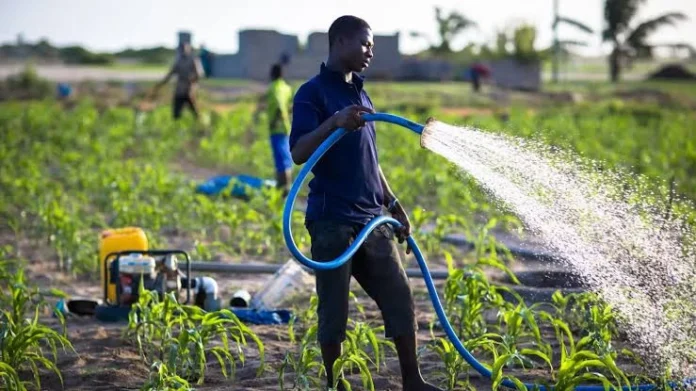
Another vital component is the expansion of irrigated land, with goals to extend irrigation systems to cover 500,000 hectares. Irrigation has proven transformative in boosting cereal yields, and scaling it up could unlock vast potential in areas previously limited by water availability. In the years ahead, this infrastructure development might enable consistent high-output farming even in drier regions, contributing to stable annual harvests and reducing the impact of seasonal weather variations. Projections suggest that fully irrigated fields could routinely achieve yields approaching or surpassing the 30 quintal target, setting a new benchmark for national agriculture.
Policy reforms are also on the agenda, including a review of agricultural subsidies to ensure they reach genuine producers and are used efficiently. Optimizing financial support in this way could incentivize investment in modern techniques, while expanded agricultural insurance coverage for risks like extreme heat and prolonged drought would provide farmers with greater security. These measures, if effectively rolled out, may encourage more widespread adoption of improved practices, leading to a broader uplift in productivity across the sector.
Financing innovations represent yet another pillar, with proposals for new mechanisms such as microcredits and venture capital to inject fresh funds into farming operations. Diversifying funding sources could empower entrepreneurs and cooperatives to pursue larger-scale projects, further accelerating growth. Additionally, the creation of specialized cooperatives for advanced machinery would make cutting-edge equipment accessible to more farmers, facilitating larger cultivated areas, higher efficiency in operations, and minimized post-harvest losses.
In the medium term, these combined initiatives could position Algeria as a regional leader in cereal production, with potential for not only meeting domestic needs but also exploring export opportunities in favorable years. By the early 2030s, sustained progress toward the yield doubling goal might result in food sovereignty for wheat becoming a tangible reality, where imports serve as supplements rather than necessities. This would enhance national resilience against global shocks, from climate events to geopolitical tensions affecting supply chains.
The road ahead involves overcoming hurdles such as climate change impacts, water resource management, and the need for widespread farmer training. Yet, the commitment from public authorities, backed by scientific partnerships and clear strategic directives, signals a determined push forward. As research yields new breakthroughs and infrastructure expands, Algeria’s wheat fields could transform into symbols of renewed agricultural vitality, supporting economic diversification and ensuring that future generations enjoy secure access to this staple crop.
Ultimately, this comprehensive drive reflects a broader aspiration for sustainable development, where enhanced cereal production contributes to a stronger, more self-sufficient nation. The journey to double yields and secure food sovereignty promises to reshape Algeria’s agricultural narrative, fostering prosperity rooted in the land itself.