Arabfields, Sophia Daly, Financial Analyst specialized in Agriculture and Futures Markets — In the vast expanse of the Algerian Sahara, where ancient palm groves stretch across sun-drenched oases like Tolga, Biskra, and Ouargla, the 2026 date season has unfolded with remarkable abundance, reinforcing Algeria’s position as one of the world’s leading producers of this cherished fruit. As of February 2026, the nation’s date palm cultivation continues to thrive, yielding an estimated production exceeding 1.2 million metric tons from the previous harvest cycle, a figure that reflects steady growth driven by expanded plantations and improved agricultural practices. This year’s output not only meets robust domestic demand but also fuels an ambitious export drive, with Deglet Nour emerging once again as the undisputed star, widely acclaimed as the finest date variety on the planet for its translucent golden hue, delicate firmness, and subtly honeyed flavor that captivates palates globally.
Deglet Nour is a protected Algerian brand and a Protected Geographical Indication (PGI), recognized and protected at the international level by the World Trade Organization (WTO), which prevents the abusive use of the name for dates not originating from Algeria.
Deglet Nour, often hailed as the queen of dates, dominates Algerian production in 2026, accounting for the majority of the commercial harvest and commanding premium status in international markets. This semi-dry variety, prized for its elegant texture and natural sweetness without excessive stickiness, has seen strong yields this season, with farmers reporting optimal ripening conditions thanks to favorable weather patterns in the key growing regions. Current market prices for high-quality Deglet Nour dates hover around 4 to 6 US dollars per kilogram on the wholesale export level, reflecting its superior grading and organic certifications that appeal to discerning buyers in Europe and beyond. These prices represent a stable yet upward trend from the previous year, bolstered by global demand for premium natural sweeteners amid rising health consciousness.
Alongside Deglet Nour, Algeria’s 2026 production features a rich diversity of other notable varieties, each contributing unique characteristics to the national bounty. Ghars, a soft and richly flavored date with a deep caramel-like taste, has been harvested in significant quantities this year, particularly in the southern oases, where it serves both local consumption and niche export segments. Prices for Ghars typically range from 2 to 3.5 US dollars per kilogram, making it an accessible yet flavorful option for processors and bulk buyers. Degla Beida, known for its light color and mild sweetness, offers a refreshing alternative, with 2026 yields supporting steady supply and wholesale prices averaging 2.5 to 4 US dollars per kilogram, often finding favor in blended products or regional markets.
Mech Degla, another prominent variety appreciated for its robust size and nutty undertones, has performed well in this season’s harvest, benefiting from enhanced irrigation techniques that have boosted overall palm health. Its market value stands at approximately 2 to 3 US dollars per kilogram, positioning it as a reliable mid-tier choice for both domestic tables and emerging export channels. Allig, with its distinctive dark appearance and intense sweetness, adds depth to Algeria’s offerings, produced in notable volumes this year and priced between 3 and 4.5 US dollars per kilogram, appealing especially to markets seeking bolder flavors. Tazizet, a lesser-known but increasingly valued specialty, brings a unique fibrous texture and earthy notes, with 2026 prices around 2.5 to 3.5 US dollars per kilogram, gradually gaining traction in gourmet selections.
The harvest has also included substantial outputs of Hamraya, a versatile soft date ideal for fresh consumption, fetching prices of 1.5 to 2.5 US dollars per kilogram due to its abundance and utility in traditional Algerian cuisine. Tafezouine and Tinicine, grouped among the common varieties, provide affordable options with their softer consistency and pronounced sweetness, trading at 1 to 2 US dollars per kilogram, primarily directed toward local markets and industrial uses such as paste production. Tamejhurt, Arichti, and Elhora round out the premium and semi-premium segments, with Arichti and Elhora earning praise for their exceptional quality comparable to Deglet Nour, priced at 3 to 5 US dollars per kilogram, while Tamejhurt offers a budget-friendly alternative at around 1.5 US dollars per kilogram.
Kenta, Tantbouchte, and other regional cultivars like Boufeggous influences in certain groves further enrich the 2026 landscape, though produced in smaller commercial scales, with prices varying from 1.5 to 3 US dollars per kilogram depending on quality and demand. Overall, Algeria’s date sector in 2026 encompasses over a hundred actively cultivated varieties, with these key ones driving the economic engine, supported by more than 18 million palm trees across the country.
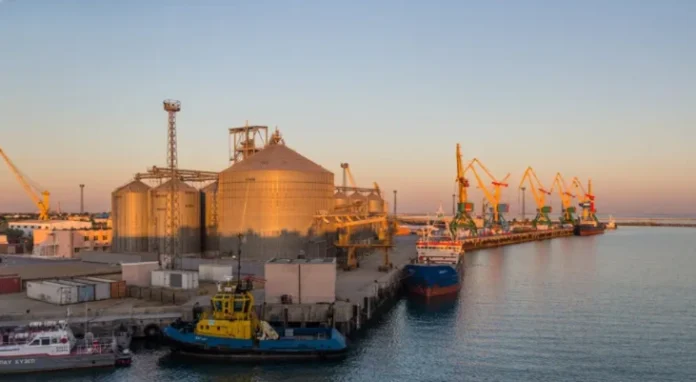
On the export front, Algeria has shipped dates to over 90 countries as of early 2026, with ambitions to expand to 150 destinations under a newly implemented national strategy. Deglet Nour leads these exports, comprising the bulk of overseas shipments, destined primarily for European nations such as Italy, Spain, Germany, and the United Kingdom, where consumers prize its superior taste and shelf life. Significant volumes also reach Asia, North America, and emerging African markets, with total export figures for the season projected to surpass 75,000 metric tons, marking a notable increase from the previous year’s nearly 67,000 tons. This growth translates to revenues approaching 250 million US dollars, fueled by improved packaging, certification standards aligned with international norms, and targeted marketing that emphasizes Algeria’s dates as the world’s best.
Looking ahead, the future of Algerian dates appears exceptionally promising, grounded in current data trends that point to sustained expansion. With ongoing investments in modern farming techniques, including drip irrigation and pest management, production is forecasted to climb toward 1.3 million metric tons or more by the end of the decade, driven by new plantations adding thousands of palms annually. Export volumes could double within the next five years if structural enhancements, such as better cold storage and logistics, are fully realized, potentially elevating revenues beyond 500 million US dollars as global demand for natural, nutrient-rich foods surges. Climate resilience efforts will play a crucial role, ensuring that varieties like Deglet Nour maintain their legendary quality amid environmental challenges, while diversification into organic and value-added products, such as date syrups and stuffed variants, opens new premium niches.
The cultural significance of dates in Algeria cannot be overstated, as they remain a staple during Ramadan and daily meals, symbolizing hospitality and heritage passed down through generations. In 2026, this tradition blends seamlessly with commercial success, as farmers in remote oases reap the rewards of higher yields and stable prices. Health benefits, including high fiber content, natural energy provision, and mineral richness, continue to propel international interest, positioning Algerian dates as a superfood in wellness trends. Government initiatives to promote the sector, from subsidies for young planters and exporters, promise even greater achievements, transforming what was once a localized treasure into a global powerhouse.
As the year progresses, the momentum from this harvest season suggests that Algeria will not only consolidate its ranking among the top date producers but also challenge perceptions in premium markets traditionally dominated by other origins. The combination of unparalleled variety diversity, exceptional quality led by Deglet Nour, and strategic export growth paints a picture of prosperity, where the humble date palm continues to yield golden opportunities for the nation’s economy and its people. With each passing season, Algeria’s dates affirm their status as a timeless delight, ready to sweeten tables worldwide for years to come.