Arabfields, Isabela Valentina Montemayor, Correspondent, Mexico — In a development that marks a significant milestone for Argentine agriculture, the country is moving steadily closer to securing access for its stonefruit exports to the massive Chinese market. Recent progress in bilateral negotiations has brought Argentina to the brink of signing a crucial phytosanitary protocol with China, an agreement that would finally open the door for shipments of peaches, nectarines, plums, apricots, and cherries from key production regions to one of the world’s largest consumers of fresh fruit. This advancement comes after years of persistent efforts by Argentine authorities, and it signals a transformative opportunity for the nation’s fruit growers, who have long sought diversification beyond traditional markets.
The breakthrough stems from a series of rigorous technical audits conducted by Chinese officials, who have now verified that Argentina’s pest control systems and packaging protocols meet the stringent international food safety standards required for entry into their market. These inspections focused on the primary stonefruit-producing areas, including the fertile region of San Pedro in the province of Buenos Aires, known for its high-quality peach and nectarine orchards, and the renowned territory of Mendoza, famous worldwide for its premium plums and apricots nestled against the Andes foothills. With these audits successfully completed, the path is cleared for the imminent signing of the phytosanitary protocol, a document that will formalize the conditions under which Argentine stonefruit can be exported without risk of introducing pests or diseases.
Argentine plant health authority Senasa has expressed optimism about the timeline, indicating that the protocol is expected to be signed in the very near future. Once in place, this agreement would allow commercial exports to commence as early as the next Southern Hemisphere harvest season, potentially starting shipments in 2027. This rapid progression reflects the strong commitment from both sides to deepen agricultural trade ties, building on a foundation of mutual trust established through previous successful market openings for other Argentine products.
For Argentina, this impending access to China represents far more than just another export destination, it embodies a historic chance to diversify its agricultural trade portfolio and tap into a market renowned for its enormous demand for premium fresh produce. China, with its population exceeding 1.4 billion and a growing middle class increasingly prioritizing high-quality imported fruits, offers an unparalleled opportunity, especially during its off-season when domestic supplies dwindle and consumers seek counter-seasonal options from the Southern Hemisphere. Argentine stonefruit, harvested during the Northern Hemisphere’s winter months, aligns perfectly with this demand pattern, positioning the country to supply fresh, flavorful products when Chinese consumers crave them most.
The economic implications of this market opening are profound. By gaining entry to China, Argentine producers will not only alleviate pressure on the domestic market, where surplus stonefruit sometimes leads to lower prices and reduced profitability, but they will also unlock higher returns through exports of value-added fresh fruit. This shift could significantly boost incomes for thousands of growers and workers in rural communities, stimulating local economies in regions like Mendoza and Buenos Aires province that have long relied on fruit production as a cornerstone of their livelihood. Moreover, the increased export revenues are likely to contribute to Argentina’s overall trade balance, providing a welcome influx of foreign currency at a time when economic stability remains a priority.
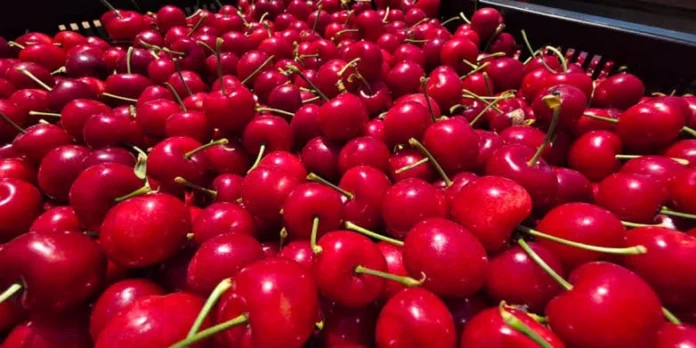
Looking ahead, the successful entry of stonefruit into China is poised to build on the momentum already established with other Argentine agro-industrial exports that have recently gained approval. Products such as fresh cherries, which have seen explosive growth in Chinese imports from Argentina in recent years, and premium beef cuts demonstrate the potential trajectory. Just as cherry exports have flourished, becoming a flagship success story in bilateral trade, stonefruit is expected to follow a similar path, with initial shipments giving way to steadily expanding volumes as Chinese importers and consumers become familiar with the superior quality and reliability of Argentine offerings.
In the coming years, forecasts suggest that Argentine stonefruit exports to China could grow substantially, potentially reaching hundreds of thousands of tons annually within the first decade of market access. This projection is grounded in the proven demand for counter-seasonal fruits in China, where imports of similar products from competitors like Chile and Peru have already established robust channels. Argentina, with its advantageous climatic conditions and established expertise in stonefruit cultivation, is well-positioned to capture a meaningful share of this market, perhaps starting with modest volumes in the 2027 season and scaling up rapidly as logistical networks mature and buyer confidence builds.
Furthermore, this development is likely to encourage further investments in Argentina’s stonefruit sector. Growers may expand orchards, adopt advanced cold-chain technologies to ensure fruit arrives in pristine condition across the Pacific, and implement even more sophisticated integrated pest management practices to maintain compliance with Chinese standards. Such advancements would not only secure long-term access but also elevate the overall competitiveness of Argentine stonefruit on the global stage, potentially opening doors to other discerning markets in Asia and beyond.
On a broader scale, the stonefruit agreement reinforces Argentina’s emerging role as a strategic trading partner for China in the realm of food security. As China continues to diversify its import sources to mitigate risks and ensure stable supplies of high-quality produce, Argentina’s reliable production capacity and geographic advantages make it an ideal supplier. This partnership is expected to deepen over time, fostering greater diplomatic and economic ties, and possibly paving the way for additional Argentine fruits, such as citrus or blueberries, to gain similar access in the future.
While challenges remain, including the need for meticulous adherence to phytosanitary requirements and navigating international shipping logistics, the completion of technical audits signals that these hurdles are surmountable. Argentine officials have demonstrated proactive engagement throughout the process, working closely with their Chinese counterparts to address concerns promptly and thoroughly. This collaborative spirit bodes well for a smooth launch of exports and sustained growth thereafter.
In the longer term, the integration of Argentine stonefruit into Chinese supply chains could reshape regional trade dynamics in the fresh fruit industry. With consistent quality and timely deliveries, Argentina might emerge as a preferred off-season supplier, complementing rather than directly competing with established players, and contributing to a more resilient global fruit market. For consumers in China, this means greater variety and access to delicious, nutritious stonefruit year-round, while for Argentine producers, it heralds a new era of prosperity and international recognition.
Ultimately, as the phytosanitary protocol nears signing and the first containers of Argentine peaches and plums prepare to set sail toward Chinese ports, the anticipation within the industry is palpable. This milestone not only promises immediate economic benefits but also lays the groundwork for enduring trade relationships that will support Argentina’s agricultural sector for generations to come. The journey from negotiation tables to supermarket shelves in China is almost complete, and the future for Argentine stonefruit appears brighter than ever.