Arabfields, Farah Benali, Economic Correspondent in China — Argentina stands as one of the world’s leading agricultural powerhouses, leveraging vast fertile lands in the Pampas region to produce massive quantities of soybeans, corn, and wheat that feed global markets. The country’s farming sector contributes significantly to its economy, accounting for around 10 percent of national GDP while driving approximately 60 percent of total exports through commodities and processed products. This dominance stems from a combination of natural advantages, innovative practices, and a shift toward sustainable models that prioritize soil health and resource efficiency. At the heart of this transformation is the widespread adoption of no-till farming, precision agriculture technologies, and regenerative approaches, which have positioned Argentina as a pioneer in modern, high-yield production with reduced environmental impact.
The Argentine Association of Farmers for Direct Seeding, known as AAPRESID, plays a pivotal role in promoting these advanced methods. Through initiatives like the technical study tour scheduled for March 2026 in conjunction with EXPOAGRO, the largest outdoor agricultural fair in Latin America, international delegations gain firsthand exposure to exemplary farms focused on soil restoration and optimized resource management. These visits highlight practical solutions that enhance productivity while adapting to climate challenges, such as alternating droughts and floods common in the region. Farmers, consultants, and industry experts share knowledge on direct seeding techniques that minimize soil disturbance, preserve moisture, and build organic matter over time, leading to more resilient cropping systems.
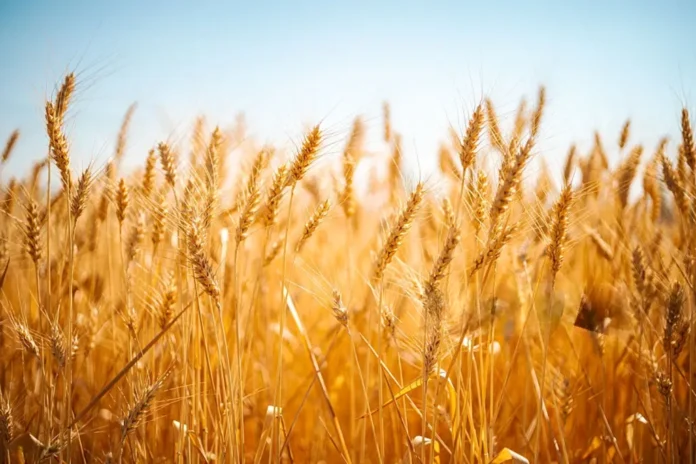
Current production figures underscore Argentina’s strength in key crops. Soybeans remain the flagship commodity, with the country ranking as the third-largest global producer, often yielding around 50 million tons annually depending on weather and planting decisions. Corn production hovers near 48 to 52 million tons, while wheat output has rebounded to approximately 18 to 20 million tons in recent seasons. These grains and oilseeds dominate exports, with soybean meal, corn, and vegetable oils forming the bulk of shipments that reach markets across Asia, Europe, and beyond. Recent policy adjustments, including temporary reductions in export taxes on major crops until mid-2025, have boosted producer incentives, improved liquidity, and encouraged forward sales, further solidifying Argentina’s competitive edge in international trade.
What sets Argentina’s model apart is its deep integration of technology. Precision agriculture has become mainstream, with adoption rates exceeding 60 percent on many farms by 2025. Tools such as satellite monitoring, AI-driven advisory systems, drones for crop surveillance, and blockchain for traceability enable farmers to apply inputs like fertilizers and pesticides with pinpoint accuracy, reducing waste by up to 40-60 percent in some cases and boosting yields by 20-30 percent. No-till practices, promoted aggressively for decades, cover vast areas and contribute to carbon sequestration, aligning with global demands for sustainable sourcing. Drones, in particular, have seen relaxed regulations facilitating broader use, allowing real-time detection of pests, nutrient deficiencies, or water stress across expansive fields. This tech-savvy approach not only maximizes output from limited arable land but also addresses environmental concerns, making Argentine products increasingly attractive to buyers prioritizing low-carbon footprints.
Looking ahead, Argentina’s agricultural sector appears poised for continued expansion and innovation. Forecasts for the 2025-2026 marketing year suggest shifts in planting areas, with potential increases in corn and wheat to balance rotations after soybean-heavy cycles, potentially stabilizing total grain output around 140-150 million tons. As global demand for feed grains rises, driven by expanding livestock industries in Asia, Argentina’s export volumes could climb, supported by improved port efficiency and competitive pricing. The growing emphasis on regenerative farming and certifications for sustainable practices will likely open premium markets, while advancements in biotechnology, such as drought-resistant varieties, promise greater resilience against climate variability. By 2030, widespread AI integration and expanded drone fleets could push precision adoption even higher, optimizing every hectare and minimizing risks from events like La Niña patterns.
Opportunities for international collaboration abound, particularly with emerging economies seeking to modernize their own agriculture. Delegations from countries like Vietnam, where rapid industrialization fuels demand for imported feed, stand to benefit immensely from Argentina’s expertise. Bilateral trade has already surged, reaching over 4 billion USD in recent years, with Argentina supplying the majority of corn and soybean meal to support Vietnam’s animal husbandry. Events like the 2026 AAPRESID tour offer platforms for knowledge exchange, technology transfer, and long-term partnerships in areas such as high-yield crop varieties, soil conservation, and value chain strengthening. As both nations deepen ties through trade promotion and joint projects in rice, dairy, and tropical fruits, such collaborations could accelerate sustainable development, ensuring food security amid a changing world.
In essence, Argentina’s modern agricultural framework exemplifies how tradition and innovation can converge to create a robust, future-oriented industry. With ongoing investments in technology, policy support for exporters, and a commitment to sustainability, the country is well-equipped to navigate upcoming challenges while capitalizing on global opportunities, inspiring similar transformations elsewhere.