Arabfields, Jamel derbal, Senior Correspondent, Innovation & Sustainability, Singapore — Rice prices across Asia climbed to their highest level in more than a year this week, adding new pressure on consumers already dealing with elevated food costs and unstable supply chains. Traders in Bangkok, Manila and Singapore reported stronger buying activity as concerns over weather disruptions and tightening inventories continued to push export prices upward.
Benchmark Thai white rice prices moved above $690 per metric ton in recent trading, their strongest level in 14 months. Dealers across the region say importers are rushing to secure shipments before additional supply restrictions emerge during the second half of the year. Analysts estimate that global rice trade volumes could tighten by nearly 6% in 2026 compared with pre-pandemic averages, largely because of climate-related disruptions in South and Southeast Asia.
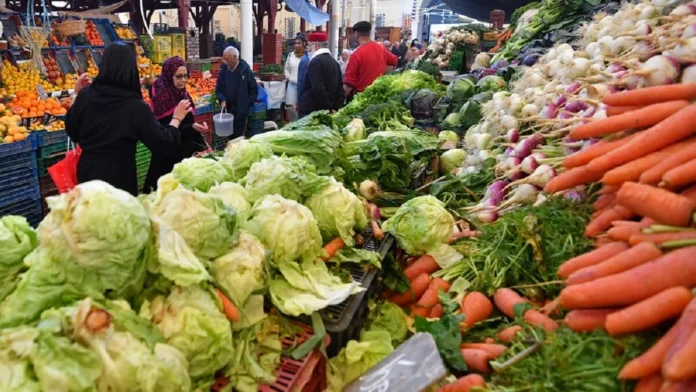
At a wholesale market outside Manila, rice distributor Ernesto Villanueva said many buyers are purchasing smaller quantities than they did a year ago. “Families still need rice every day, but people are watching every peso now,” he explained while overseeing deliveries before sunrise. Similar scenes have been reported in Indonesia and parts of Bangladesh, where retailers say customers are increasingly switching to cheaper grain varieties.
Economists warn that the latest surge may have wider implications for inflation across emerging Asian economies. Rice remains a staple food for more than half of the global population, and even moderate price jumps tend to ripple quickly through transport, restaurant and retail sectors. Agricultural researchers estimate that nearly 90% of world rice production still comes from Asia, leaving the market highly exposed to regional droughts and floods.
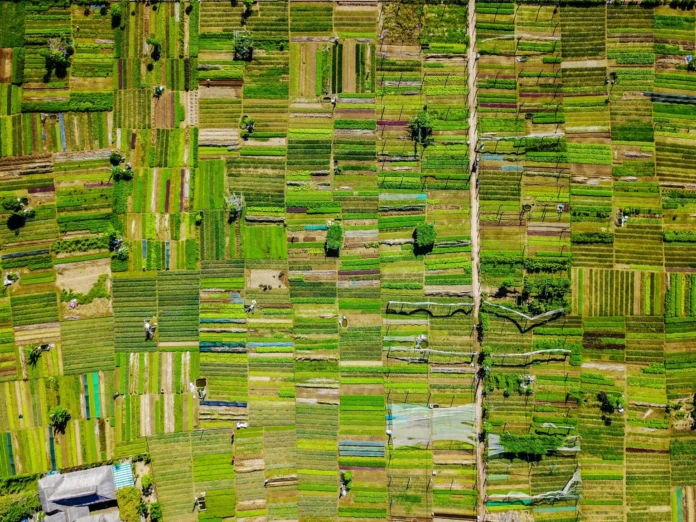
Weather remains one of the biggest concerns. Dry conditions linked to recurring climate patterns have reduced water levels in several farming regions, while erratic monsoon rains have damaged harvest expectations in others. Farmers in Vietnam’s Mekong Delta and parts of Thailand have already reported weaker yields in early harvests this season.
Food security experts believe governments may increase strategic stockpiles if prices continue climbing through the summer. Several importing countries are also considering temporary tariff reductions to stabilize domestic markets. Analysts at regional commodity firms expect rice prices to remain volatile into early 2027, especially if export restrictions return in major producing countries.
Despite the pressure on consumers, some exporters view the situation as an opportunity for investment in modern irrigation and climate-resistant rice varieties. Agricultural economists predict that Asian governments could accelerate spending on water management systems over the next three years as extreme weather events become more frequent.
Historical comparisons are also drawing attention. Market observers note that current price momentum resembles periods seen during earlier food supply crises, although inventories today remain stronger than during the sharp rice shock of 2008.