


Arabfields, Leonor Fernández de Córdoba, Correspondent, Spain — Spain has recorded a significant expansion in its fresh produce imports during the year two thousand twenty five, with overall fruit and vegetable volumes advancing by three percent to four point seven million tonnes and values rising by eight percent to five point four eight billion euros. This balanced performance reflects the sustained momentum observed in recent periods and highlights the essential role that imports play in meeting the diverse requirements of Spanish consumers and the broader European market. Fruits have been the primary driver of this growth, achieving a five percent increase in volume to two point four million tonnes alongside an eleven point five percent rise in value to three point eight five billion euros. Vegetables, by comparison, posted more modest gains of zero point five percent in both volume, reaching two point three million tonnes, and value, attaining one point six three billion euros. These figures illustrate a market that continues to evolve toward greater variety and higher-value offerings while maintaining stability in core categories.
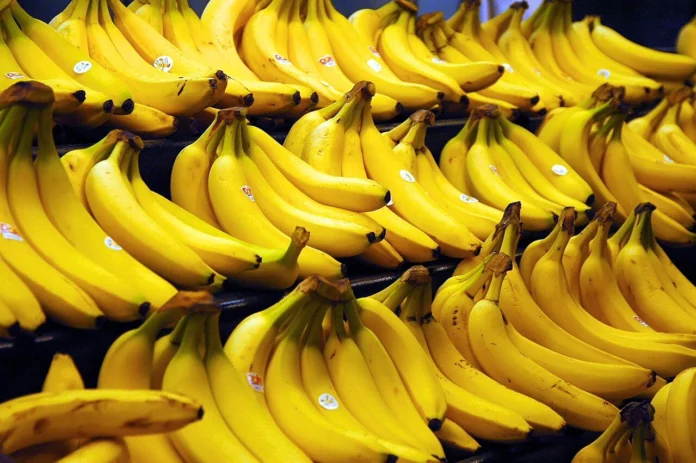
Bananas have once again affirmed their position as the leading fruit import, with volumes remaining steady at four hundred thirty thousand five hundred sixty tonnes, precisely matching the levels from the previous year. The value of these imports grew by three percent to two hundred ninety seven million euros, demonstrating that stable supply volumes can still deliver improved economic returns through factors such as quality consistency and efficient distribution. As a dietary staple appreciated for its convenience, nutritional benefits, and year-round availability, bananas serve as a reliable anchor within the Spanish fruit basket. Their consistent import levels enable retailers and foodservice operators to plan inventories with confidence, supporting steady consumption across households, schools, and hospitality venues where bananas feature prominently in breakfasts, snacks, and prepared dishes. This stability also underscores the strength of established international supply chains that have successfully navigated global challenges to deliver predictable quantities to Spanish ports and distribution centers.
Avocados have delivered the most dynamic performance among major fruit imports, with volumes expanding by seventeen percent to three hundred seven thousand nine hundred eleven tonnes. Remarkably, the value associated with these imports held steady at six hundred thirty four million euros despite the substantial volume increase, suggesting effective sourcing strategies, competitive supplier pricing, and strong market absorption capacity. The surge reflects growing consumer appreciation for avocados as a versatile, nutrient-dense option rich in healthy fats and essential vitamins, aligning with broader dietary shifts toward plant-forward eating patterns. In Spain, where fresh produce already forms a cornerstone of daily meals, avocados have found expanding applications in salads, toasts, smoothies, and contemporary recipes that appeal to health-conscious individuals, families, and dining establishments. The ability of the market to accommodate higher volumes without value erosion indicates robust underlying demand and positions avocados as a key growth engine for future import activity.
Pineapples have contributed positively to the overall fruit import expansion, registering a three percent volume increase to one hundred ninety two thousand five hundred ninety seven tonnes and a fifteen percent value advance to one hundred ninety one million euros. The more pronounced value growth relative to volume points to a consumer preference for premium selections that offer superior sweetness, texture, or origin attributes, allowing importers to capture higher margins on these tropical favorites. Pineapples enhance the exotic dimension of the fruit offering and are frequently incorporated into desserts, beverages, and savory preparations that add vibrancy to both everyday and festive occasions. Apples, occupying the fourth position among top imports, experienced a two percent volume decline to one hundred eighty eight thousand nine hundred ninety five tonnes yet achieved a six percent value increase to two hundred five million euros. This outcome reflects a deliberate emphasis on quality-focused sourcing, with selections from origins renowned for flavor excellence or storage characteristics commanding better prices and offsetting the modest reduction in tonnage. Apples remain a perennial favorite for their versatility in snacking, baking, and cooking, ensuring their enduring presence in the import profile even amid volume adjustments.
The vegetable import segment has displayed steadier progress, with potatoes retaining their leading status despite a one percent volume dip and an eighteen percent value reduction to four hundred sixty two million euros. This value contraction may stem from competitive domestic supplies or favorable pricing conditions in certain periods, yet the near-stable volumes confirm potatoes’ indispensable role in traditional Spanish cuisine. Tomatoes have shown a contrasting trajectory, with volumes contracting eleven percent to three hundred four thousand nine hundred eighty nine tonnes while values rose thirty percent. The substantial value uplift amid lower volumes likely derives from a focus on specialty or higher-grade tomatoes that deliver enhanced flavor and appearance, satisfying the expectations of premium retail and culinary channels. Together, these vegetable developments complement the more vigorous fruit segment, creating a comprehensive fresh produce portfolio that addresses nutritional needs across all meal occasions and consumer segments.
Spain’s dual identity as a major domestic producer and active importer enables this import growth to enhance rather than compete with local agriculture. Imports fill seasonal gaps, introduce varieties unsuited to local climates, and respond to rising demand for convenience and diversity fueled by urbanization, demographic changes, and a vibrant tourism sector that expects consistent international standards. The country functions effectively as a European trading hub, where many imported fruits and vegetables are re-exported after efficient handling and distribution, thereby multiplying economic benefits through logistics, warehousing, and value-added services. This import activity strengthens food security by diversifying supply sources and buffering against localized production risks associated with weather variability or other disruptions. It also stimulates employment in related sectors such as transportation, quality control, and retail, contributing meaningfully to regional economies and the national fresh produce industry as a whole.
Economically, the eleven point five percent value growth in fruit imports, outpacing the five percent volume increase, signals a clear trend toward premiumization. Consumers increasingly allocate budgets to higher-quality or specialty items, encouraging suppliers to invest in sustainable cultivation, advanced packaging, and traceability systems that reduce waste and extend shelf life. This value orientation supports favorable trade dynamics and reinforces Spain’s connections with global partners. At the same time, the growth presents opportunities to address challenges including regulatory compliance, supply chain resilience, and environmental considerations through collaborative industry efforts. By maintaining stable or expanding import flows, Spain ensures price stability for consumers and promotes broader access to nutritious produce in line with public health objectives that advocate higher daily fruit and vegetable intake.
The consistent performance observed in two thousand twenty five, aligned with growth rates from preceding years, supports measured projections for the sector’s future trajectory. With fruits having advanced five percent in volume and eleven point five percent in value during the reference period, a continuation of similar rates would see fruit import volumes reach approximately two point five two million tonnes in two thousand twenty six and progress toward three million tonnes by two thousand thirty. Bananas are expected to sustain their leadership with volumes hovering near four hundred thirty thousand tonnes annually, underpinned by unchanging consumer preferences and dependable global availability, while values may register incremental annual increases of two to four percent through ongoing quality refinements. Avocados appear set for accelerated expansion, potentially maintaining double-digit volume growth rates as health awareness deepens and retail channels broaden, with values likely remaining stable or advancing modestly as supply meets rising demand efficiently. Pineapples and apples should follow steadier courses, with pineapples benefiting from sustained value gains of around ten percent through premium positioning and apples experiencing volume variations within a narrow band accompanied by reliable value improvements of five to seven percent as quality emphasis persists.
These forward-looking estimates rest directly on the documented patterns of recent years, reinforced by structural factors such as expanding modern retail formats, e-commerce growth, and policy support for international trade. Spain’s geographic advantage facilitates rapid distribution to neighboring markets, further encouraging import volumes that serve both domestic and re-export needs. Potential supportive elements include heightened focus on wellness, population dynamics favoring diverse diets, and innovations in logistics that minimize environmental impact. While risks such as climate influences on global harvests or unforeseen supply disruptions exist, diversified sourcing strategies already in evidence have proven effective in preserving continuity. In summary, the projected import expansion will reinforce Spain’s central position within the European fresh produce network, delivering economic advantages, enhanced food security, and a resilient supply of high-quality fruits and vegetables that meet the expectations of contemporary consumers well into the coming decade. This sustained growth trajectory not only capitalizes on current market strengths but also opens avenues for strategic investments in infrastructure, technology, and promotional activities that will secure the sector’s long-term prosperity.










 # =============== Arabfields # ===============