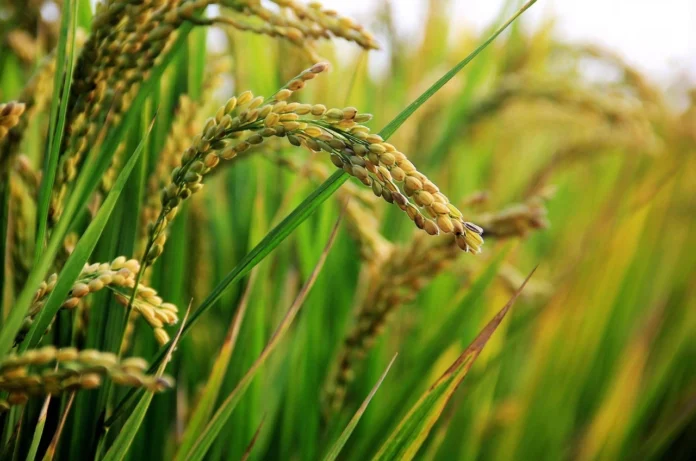
Arabfields, Dhaka, Bangladesh — In the verdant landscapes of rural Bangladesh, agriculture remains the lifeblood of millions, sustaining communities and driving economic stability. This vital sector employs nearly two-thirds of the nation’s workforce, with women constituting a significant portion of that labor force. According to recent data, women account for approximately 58 percent of the agricultural workforce, yet their contributions often go unrecognized amid systemic barriers. These women are not only tilling the soil but also safeguarding food security for a population exceeding 170 million. However, the industry grapples with formidable challenges, including plant health threats from invasive pests like the fall armyworm (Spodoptera frugiperda), which has wreaked havoc on crops since its arrival in Bangladesh in late 2018. This moth larva, notorious for devastating maize and other staples, disproportionately impacts smallholder farmers, particularly women, who frequently lack access to timely information on climate-smart pest management strategies.
The fall armyworm’s invasion has led to substantial yield losses, with estimates suggesting up to 30 percent reduction in maize production in affected areas, exacerbating food insecurity and economic vulnerability for rural households. Smallholders, who form the backbone of Bangladesh’s agriculture, face compounded difficulties due to limited resources and knowledge gaps. Women, in particular, encounter additional hurdles rooted in social norms that restrict their access to credit, land ownership, technology, and extension services. Despite their pivotal role, handling everything from planting and weeding to harvesting and post-harvest processing, these barriers hinder their ability to adopt resilient farming practices. As climate change intensifies pest pressures and erratic weather patterns, the need for inclusive advisory services has never been more urgent.
Enter PlantwisePlus, a flagship global program led by the Centre for Agriculture and Bioscience International (CABI), designed to empower smallholder farmers with sustainable solutions to crop health issues. Launched in 2021, PlantwisePlus aims to reach 75 million smallholders worldwide by providing knowledge, tools, and skills for safer, higher-quality food production through environmentally friendly methods. In Bangladesh, the program has forged strategic partnerships with the Department of Agricultural Extension (DAE) and the Bangladesh Agricultural Research Council (BARC), focusing on gender-responsive approaches to bridge these gaps. By integrating digital tools, plant clinics, and community-based training, PlantwisePlus seeks to build resilient agricultural systems that prioritize women’s empowerment and youth involvement.
This initiative aligns seamlessly with the spirit of the International Day of Rural Women, observed annually on October 15. In 2025, the day carried the theme “The Rise of Rural Women: Building Resilient Futures with Beijing+30,” emphasizing the need to advance gender equality in line with the 30th anniversary of the Beijing Declaration and Platform for Action. Activities across Bangladesh highlighted the resilience and leadership of rural women, from awareness campaigns to skill-building workshops. PlantwisePlus’s efforts exemplify this theme, demonstrating how targeted interventions can transform agricultural advisory services into inclusive platforms that amplify women’s voices and contributions.
A cornerstone of PlantwisePlus’s strategy in Bangladesh is the establishment of the Gender Technical Working Group (GTWG), inaugurated in Dhaka in April 2025. This collaborative body, comprising experts from government, NGOs, and research institutions, is dedicated to embedding gender inclusivity into rural advisory services. The GTWG’s mandate includes advocating for gender-sensitive policies, promoting reforms, and facilitating knowledge exchange to enhance women’s representation at all levels of agriculture. By addressing systemic inequalities, the group aims to empower women and youth, ensuring they have equitable access to resources and decision-making processes.
Building on this foundation, the GTWG convened its second meeting in September 2025, also in Dhaka, drawing 17 members from diverse organizations. The gathering underscored the progress toward fostering gender-responsive advisory services nationwide. Co-chaired by Dr. Saleh Ahmed, Country Coordinator for PlantwisePlus, and Dr. Md. Abdus Salam, Member Director (Crops) at BARC, the event opened with discussions on the imperative of equitable access to extension services. Mr. Abdul Rehman, Deputy Director of CABI in Pakistan, provided an overview of PlantwisePlus, spotlighting its emphasis on plant clinics and farmer-centric innovations that strengthen advisory systems.
The second session, led by Ms. Sajila Khan, Gender Coordinator at CABI, delved into core gender concepts and positioned GTWG members as “gender champions” within their institutions. Participants from BARC and Welthungerhilfe presented case studies showcasing the tangible impacts of gender-inclusive projects, such as improved crop yields and enhanced community resilience. The meeting culminated in a comprehensive action plan for the final quarter of 2025, prioritizing initiatives to empower women and youth through justice-oriented advisory services. As the GTWG matures, it is poised to revolutionize Bangladesh’s rural advisory landscape, making it more accessible, effective, and inclusive for all stakeholders.
To embed gender sensitivity at the grassroots level, PlantwisePlus organized a Gender Training of Trainers (ToT) session in Dhaka, hosted at BARC. This intensive program convened 15 extension staff from DAE, alongside representatives from international NGOs and the Department of Women Affairs. The training explored the intricate gender dynamics shaping agriculture, including how societal norms influence access to essential resources like credit, land, technologies, and education.
Through interactive discussions, case studies, and reflective exercises, participants identified gender-specific constraints and brainstormed strategies for equitable service delivery. Topics ranged from rethinking communication methods to incorporating gender lenses in data collection and outreach. Upon completion, trainees received certificates and committed to disseminating their newfound knowledge within their departments, fostering institutional shifts toward gender-responsive agriculture.
Such ToT programs are instrumental in sustaining PlantwisePlus’s impact, embedding long-term practices that benefit a broader swath of rural women. By equipping trainers to cascade skills, the initiative ensures that gender integration becomes a core component of agricultural extension, ultimately enhancing productivity and livelihoods.
In a vivid display of community-level empowerment, a two-day agribusiness training session was recently conducted for women farmers at the National Development Programme (NDP) Training Centre in Sirajganj. Organized by the Sustainable Livelihood Foundation, the event attracted 55 women from Kalia Horipur, Saidpur, and surrounding areas. The training focused on harnessing local resources, accessing advisory support, and building sustainable enterprises, aiming to equip participants with the tools to thrive in agribusiness.
A standout moment was the presentation by Maryam Khatun, a registered seed entrepreneur from Saidpur, whose story has become a beacon of inspiration. Once facing financial hardships as a housewife, Maryam transformed her circumstances by venturing into seed production. Documented in the 2023 Women’s Empowerment in Agriculture Index (WEAI) study, her journey illustrates overcoming traditional barriers through resilience and innovation. Sharing practical insights, she motivated attendees to establish their own agri-enterprises, emphasizing the potential for economic independence.
Complementing the empowerment narrative, the training included sessions on practical agricultural topics. Mr. Habibur Rahman, an agricultural extension officer, discussed accessing quality seeds, tools, and cooperatives, while a senior officer addressed seed storage techniques, crucial for women involved in production.
Financial empowerment was a key focus, with representatives from Grameen Bank and the Palli Karma-Sahayak Foundation (PKSF) leading workshops on microfinance. Topics covered budgeting, savings, reinvestment, and loan applications, aimed at bolstering financial literacy among rural women. These sessions tackle persistent barriers, such as limited credit access, enabling women to generate sustainable incomes and contribute more robustly to household and community economies.
Bangladesh’s collaborative ecosystem, encompassing government agencies, development partners, and local organizations, is steadfast in integrating rural women into the agricultural fold. From GTWG deliberations to digital innovations and grassroots trainings, the emphasis is on empowering women and youth to spearhead sustainable, food-secure futures.
As PlantwisePlus expands its initiatives, the overarching objective is to elevate agricultural productivity within an inclusive framework. Rural women, with their indispensable role in food security and sector fortification, are central to this vision. The program aspires to ensure that every farmer, irrespective of gender or background, enjoys equal opportunities to prosper, fostering a resilient and equitable agricultural landscape for generations to come.