Arabfields, Farah Benali, Economic Correspondent, China — In the ever-evolving world of agricultural innovation, few stories capture the intersection of science, law, and commerce quite like the recent legal victory secured by Bloom Fresh, a pioneering force in table grape breeding. This landmark case, centered on the protection of proprietary plant varieties, underscores the growing importance of intellectual property rights in the global fresh produce industry, particularly in dynamic markets like China. As the company celebrates this achievement, it not only reinforces its position as a leader in developing world-class fruit varieties but also signals a broader shift toward stricter enforcement of plant variety rights, which could reshape how breeders, growers, and consumers interact in the years ahead.
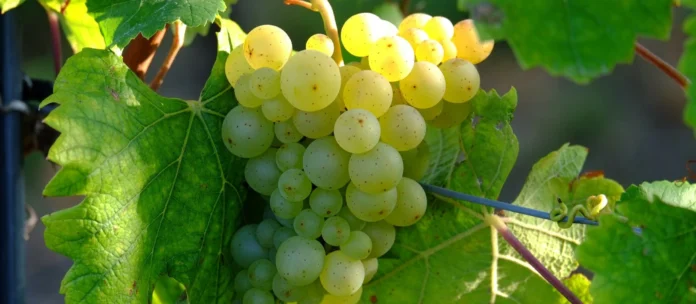
At the heart of this development is Bloom Fresh’s proprietary grape variety known as IFG Six, marketed worldwide under the evocative name Sweet Sapphire. This cultivar, renowned for its unique elongated shape, deep color, and exceptional sweetness, represents the culmination of years of meticulous breeding efforts aimed at delivering superior taste and quality to consumers. The legal battle in question arose from unauthorized activities by third parties in China, where the variety was illegally produced, propagated, promoted, sold, and even stored for further reproduction. Such infringements not only undermine the integrity of the supply chain but also pose risks to the quality standards that legitimate growers strive to maintain. The court’s decision to affirm the violation of Bloom Fresh’s plant variety rights and award substantial damages marks a pivotal moment, highlighting the judiciary’s increasing commitment to safeguarding innovations in agriculture.
The damages awarded, amounting to approximately $573,000, stand out as particularly noteworthy in the context of China’s history with plant variety rights cases. This figure is not merely a financial recompense but a symbolic deterrent against future violations, setting a precedent that could encourage other breeders to pursue similar protections with renewed vigor. For Bloom Fresh, this victory comes on the heels of its innovative IFG Six Legalization Program, a six-month initiative that recently concluded, offering unauthorized growers a pathway to legitimacy through access to the company’s technical expertise, quality assurance protocols, and marketing support. By providing this olive branch, Bloom Fresh demonstrated a balanced approach, combining enforcement with collaboration, to foster a more sustainable ecosystem in the Chinese fresh produce sector.
Looking deeper into the implications, this ruling reflects a maturing legal landscape in China, where courts are placing greater emphasis on intellectual property in agriculture. Historically, the fresh fruit industry has grappled with challenges such as rampant unauthorized propagation, which dilutes brand value and erodes the economic incentives for research and development. Bloom Fresh’s success in this arena suggests that these tides are turning, with judicial outcomes increasingly favoring rights holders. Campbell Banfield, the General Manager for China, Australia, and Southeast Asia at Bloom Fresh, has articulated the company’s dual commitment to partnership and protection, emphasizing that while they seek to collaborate with the industry to drive growth, they will not hesitate to hold infringers accountable. This stance is crucial in a market as vast and competitive as China’s, where the demand for premium table grapes continues to surge amid rising consumer affluence and health consciousness.
Delving into the broader market dynamics, the fresh produce sector in China has experienced exponential growth over the past decade, fueled by urbanization, improved cold chain logistics, and a burgeoning middle class eager for diverse, high-quality fruits. Table grapes, in particular, hold a prominent place in this expansion, with varieties like Sweet Sapphire gaining popularity for their novel attributes that differentiate them from traditional options. The infringement case brings to light the vulnerabilities in this growth story, where rapid commercialization can sometimes outpace regulatory frameworks. However, with this precedent now established, it is reasonable to anticipate a ripple effect across the industry. Legitimate growers who partner with breeders like Bloom Fresh stand to benefit from enhanced market access, as protected varieties command premium prices and build consumer loyalty through consistent quality.
Predicting future trends based on this development, one can foresee a significant uptick in the enforcement of plant variety rights not just in China but across Asia’s emerging markets. By 2030, as global trade agreements evolve to include stronger IP provisions, companies like Bloom Fresh could see their protected varieties capturing a larger share of the international grape market, potentially increasing revenues by 20 to 30 percent in regions where infringement has been rampant. This projection is grounded in current data showing that protected cultivars often yield higher returns due to their exclusivity and branding potential. Moreover, as Chinese courts continue to award substantial damages, the cost-benefit analysis for potential infringers will shift dramatically, deterring illegal activities and encouraging investment in licensed propagation. In turn, this could lead to a more innovative breeding landscape, where resources are channeled into developing resilient varieties that address climate challenges, such as drought-resistant grapes or those with extended shelf life, thereby enhancing food security in the face of global warming.
Extending these predictions further, the fruit industry as a whole may witness a consolidation around major breeders who prioritize IP protection. Bloom Fresh, with its portfolio of world-class varieties, is well-positioned to lead this charge, potentially expanding its legalization programs to other cultivars and regions. Imagine a scenario by 2035 where such initiatives become standard practice, resulting in a formalized network of licensed growers that spans continents, ensuring traceability from vine to table. This would not only boost economic value for all stakeholders but also contribute to environmental sustainability, as licensed operations often incorporate best practices in water usage, pest management, and biodiversity preservation. Consumers, too, would reap the rewards, enjoying fruits that are not only tastier but also safer, with reduced risks of substandard produce entering the market.
On the innovation front, the security afforded by robust IP enforcement could accelerate research into next-generation fruit varieties. Drawing from the success of Sweet Sapphire, breeders might focus on hybrids that combine aesthetic appeal with nutritional enhancements, such as grapes enriched with higher antioxidant levels to appeal to health-focused demographics. By 2040, projections suggest that the global table grape market could double in value, reaching upwards of $50 billion, driven in part by these protected innovations. In China specifically, where domestic production already dominates, stronger PVR frameworks could attract foreign investment, leading to joint ventures that blend international expertise with local agronomic knowledge. This symbiotic relationship might yield varieties tailored to regional climates, reducing import dependencies and bolstering national food sovereignty.
Yet, these optimistic forecasts are not without caveats. The path forward will require ongoing advocacy from industry leaders like Bloom Fresh to educate stakeholders on the value of IP compliance. Challenges such as varying enforcement standards across provinces in China or international trade barriers could temper progress, but the momentum from this victory provides a strong foundation. As the company continues to pursue infringers relentlessly, it sends a clear message that the era of unchecked propagation is waning, paving the way for a more equitable and prosperous fruit sector.
In reflecting on the broader narrative, this case exemplifies how legal triumphs can catalyze systemic change. For growers transitioning from unauthorized to licensed operations, the benefits extend beyond avoiding litigation, they include access to cutting-edge agronomy that optimizes yields and minimizes losses. Predictions indicate that by the mid-2030s, adoption rates for licensed varieties in China could climb to 70 percent or higher, up from current estimates in the low double digits, as the economic advantages become irrefutable. This shift would foster a virtuous cycle, where increased revenues fund further breeding advancements, creating a pipeline of superior fruits that delight consumers and sustain the industry.
Moreover, the emphasis on quality and integrity championed by Bloom Fresh could influence consumer behavior globally. As awareness grows about the origins of produce, shoppers may increasingly seek out branded, protected varieties, much like they do with patented technologies in other sectors. This trend might culminate in a premium segment for table grapes, where Sweet Sapphire and its successors command prices 50 percent above generic alternatives, based on market data from similar protected crops like certain apple varieties. In the long term, such dynamics could elevate the entire fresh produce category, encouraging sustainable farming practices that align with global environmental goals.
Wrapping up this exploration, Bloom Fresh’s legal success in China is more than a isolated win, it is a harbinger of a transformed agricultural landscape. With predictions pointing toward enhanced IP protections, market expansions, and innovative breakthroughs, the future of the fruit industry appears brighter than ever. As breeders like Bloom Fresh lead the way, the seeds of today’s victories promise bountiful harvests for generations to come, ensuring that the sweet taste of progress is shared by all.