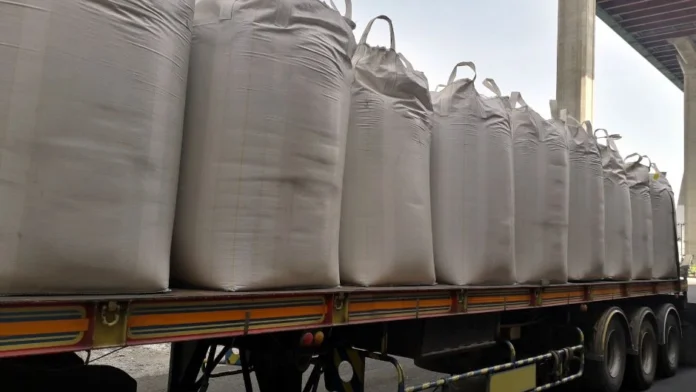
Arabfields, Lamia Cherifa, Special Economic Correspondent, Moscow, Russia — Moscow has proposed the establishment of shared food reserves among BRICS member states to strengthen collective resilience against disruptions in global agricultural supplies. Alexander Maslennikov, deputy secretary of Russia’s Security Council, emphasized the importance of closer cooperation with partner nations, including through the creation of common stockpiles, as a means to safeguard food availability in times of uncertainty.
The suggestion arises amid ongoing challenges in international trade routes and rising input costs that continue to affect farming communities worldwide. Recent tensions in the Middle East have led to increased oil prices and interruptions in fertilizer shipments, with the Strait of Hormuz handling approximately one-third of global fertilizer transit volumes. These developments have heightened concerns over potential impacts on crop yields and food affordability, particularly in regions heavily reliant on imports.
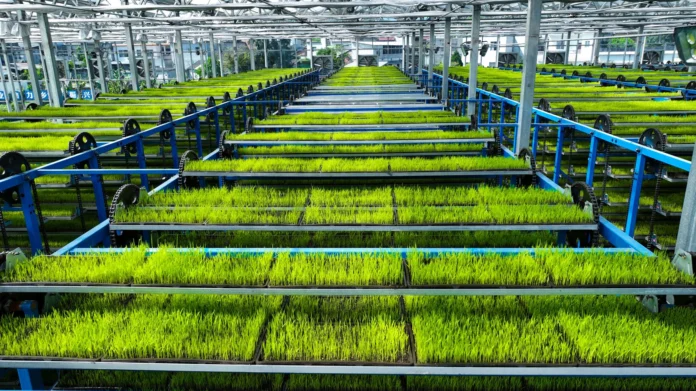
BRICS nations, encompassing Brazil, Russia, India, China, South Africa, Egypt, Ethiopia, Indonesia, Iran, and the United Arab Emirates, play a central role in global agriculture. Current assessments show that the expanded bloc accounts for nearly 44 percent of worldwide cereal production, supported by extensive arable land and diverse climatic conditions. Russia, as the foremost wheat exporter, has previously advanced initiatives such as the BRICS grain exchange launched in 2024, which aims to promote direct trade in cereals and foster independent pricing mechanisms among members.
The call for joint reserves seeks to build upon these foundations by enabling coordinated responses to supply shocks. Such a system could allow strategic releases of staples during periods of shortage, thereby stabilizing markets and offering greater protection to both producers and consumers across the group. For example, surpluses from major exporting members could complement the large consumption needs in populous economies, creating a more balanced internal network.
Data from 2025 and the early part of 2026 reveal that, despite robust overall production levels in several BRICS countries, vulnerabilities persist. Global cereal output has remained substantial, yet projections indicate that prolonged external pressures could exacerbate food insecurity for tens of millions of people by the latter half of the decade. Experts suggest that well-managed collective reserves might alleviate some of these risks, drawing lessons from regional cooperation models while addressing the specific circumstances of emerging economies.
Discussions highlight the complementary agricultural strengths within BRICS. Countries with consistent export surpluses could partner with those focused on domestic needs, facilitating more reliable access to essentials. This approach aligns with the bloc’s broader 2025-2028 action plan, which prioritizes support for family farming, sustainable productivity improvements, and expanded intra-group trade.
Forward-looking analyses point to potential advancements in the coming years. Preliminary frameworks for reserve management, including storage protocols and activation criteria, could take shape by 2027 or 2028, possibly integrated with existing trade platforms. If implemented effectively, these measures would contribute to more robust supply chains capable of withstanding climate-related variations and geopolitical fluctuations anticipated in the years ahead.
At present, the proposal remains under examination by agricultural specialists and diplomats from across the membership. The underlying objective is to foster greater self-reliance within the group, ensuring that families, farmers, and communities benefit from enhanced stability in food systems. As conversations progress, stakeholders observe closely, recognizing the value of collaborative strategies in an increasingly interconnected global landscape.