Arabfields, Sana Dib, Financial Correspondent Johannesburg, South Africa — The port of Cape Town has demonstrated notable resilience in recent weeks, achieving marked improvements in operational performance even as persistent wind delays continue to pose challenges during the height of the fruit export season. Known locally as the Cape Doctor, the strong south-easterly wind has made this one of the most difficult years on record for weather-related disruptions, particularly affecting the container terminal’s ability to load vessels efficiently. In early December, the impact was severe enough that some ships departed with significantly reduced loads, leaving exporters concerned about potential losses in perishable cargo. Yet, since mid-December, coordinated efforts have yielded clearer progress, allowing the port to regain momentum at a critical time when table grape and stonefruit exports are reaching their peak.
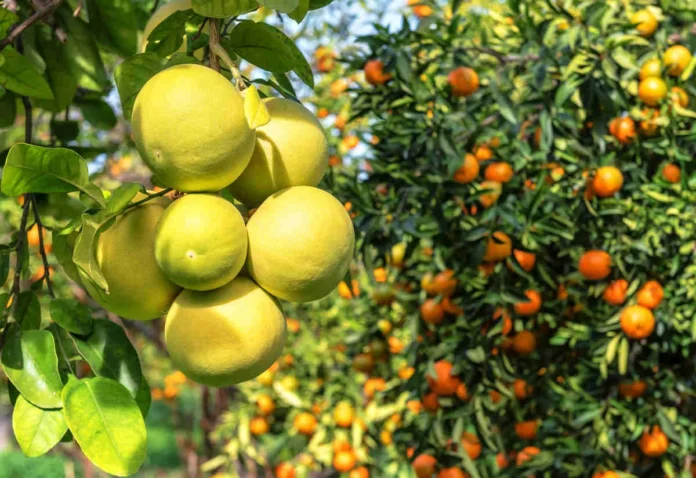
Favorable growing conditions across South Africa’s fruit-producing regions have resulted in strong volumes this season, with early pear shipments already moving through the port and the first apple containers expected imminently. The timing could not be more vital, as any prolonged disruption risks compromising fruit quality and eroding the country’s hard-earned reputation for reliable, high-quality supply to international markets. The fresh produce industry has responded proactively by extending a successful public-sector partnership initiative originally implemented earlier in the 2024/25 deciduous fruit season. This collaboration has brought additional equipment and resources to the Cape Town Container Terminal, bolstering operational readiness and providing much-needed buffer capacity against unpredictable weather events.
Industry leaders emphasize that this partnership goes beyond immediate fixes, representing a strategic investment in long-term stability. By pooling resources to enhance reefer plug availability and streamline terminal processes, stakeholders are working to minimize the ripple effects of windbound days, when cranes cannot operate safely and vessels remain idle. Such interruptions not only delay shipments but also increase the risk of quality degradation in temperature-sensitive fruits like grapes, stonefruit, pears, and apples. The renewed commitment to this collaborative model underscores a shared recognition that sustained preparedness is essential for protecting jobs, supporting economic growth, and preserving South Africa’s competitive edge in global fresh produce trade.
Looking ahead, the recent gains in port efficiency signal a promising trajectory for the remainder of the current season and beyond. With the partnership framework now firmly extended, the terminal appears better positioned to absorb future wind events without the severe backlogs seen earlier in the campaign. This enhanced resilience is likely to translate into fewer partially loaded vessels and reduced incidence of fruit losses, enabling exporters to meet international demand more consistently. As growing conditions remain excellent and harvest volumes stay robust, improved port throughput should support steady or even expanded export flows in the coming months, helping to solidify buyer confidence in South African supply chains.
Over the medium term, the continued success of these collaborative measures could set a new benchmark for port operations during peak seasons. If wind patterns remain a recurring challenge due to regional climate trends, the proactive deployment of additional resources and contingency planning will likely become standard practice, further reducing vulnerability. This evolution would not only safeguard current market positions but also open opportunities for growth, as reliable delivery timelines attract premium contracts and encourage investment in expanded production. South Africa’s fresh fruit sector, already a cornerstone of agricultural exports, stands to benefit significantly from this upward trend in port performance, fostering greater economic contributions through sustained employment and foreign exchange earnings.
Ultimately, the ongoing improvements at Cape Town port reflect a maturing approach to managing environmental and logistical risks in a vital trade hub. By prioritizing preparedness and cross-sector cooperation, the industry is laying the groundwork for a more robust future, where seasonal weather disruptions no longer threaten to undermine the quality and timeliness that global customers have come to expect. As the current export campaign progresses and lessons from this season are applied, the outlook grows increasingly optimistic, pointing toward a stronger, more dependable role for Cape Town in the international fresh produce marketplace for years to come.