Arabfields, Maleeka Kassou, East, West & Central Africa Agriculture Correspondent — In a notable affirmation of longstanding bilateral relations, China has declared its preparedness to intensify collaboration with Cameroon across the domains of infrastructure, energy, and agriculture. This commitment, articulated by senior Chinese trade officials during a recent high-level encounter in Yaoundé, reflects a strategic vision aimed at supporting Cameroon’s developmental priorities while advancing mutual economic interests. The dialogue between the Chinese Minister of Commerce and his Cameroonian counterpart underscores a shared determination to translate diplomatic goodwill into concrete outcomes that benefit both populations.
The meeting occurred amid broader international trade discussions, providing an opportune setting to explore avenues for enhanced partnership. China, as a global leader in engineering and technological innovation, brings substantial expertise and resources to the table. Cameroon, for its part, offers a dynamic economic landscape characterized by abundant natural resources and a growing population eager for modernization. Together, these attributes create fertile ground for sustained cooperation that extends well beyond immediate projects.
Turning to infrastructure, the reinforced ties are expected to accelerate progress in transportation networks, urban planning, and connectivity initiatives. As of 2026, bilateral trade between the two nations has expanded to approximately 2.8 billion US dollars, representing an 18 percent rise from the preceding year. This growth is attributable in part to prior investments in roads, ports, and railways, which have already begun to ease logistical bottlenecks and stimulate commerce. Future projections, informed by the recent pledge of deepened engagement, anticipate that infrastructure collaborations could generate an additional 1.2 billion US dollars in investment inflows by 2030. Such funding would likely prioritize the upgrading of key corridors, thereby reducing transit times and costs while positioning Cameroon as a more competitive hub within Central Africa.
Energy cooperation stands as another pillar of the evolving partnership. Cameroon possesses considerable potential in hydroelectric power, alongside emerging opportunities in solar and other renewable sources. The Chinese side’s readiness to strengthen involvement in this sector aligns with Cameroon’s ambition to expand reliable electricity access and support industrial expansion. In 2026, energy-related exchanges have already contributed to a 22 percent increase in installed capacity through joint ventures, according to recent economic assessments. Looking ahead, forecasts suggest that sustained collaboration could elevate total energy output by 40 percent over the next five years. This expansion would not only address current deficits in rural electrification but also facilitate the integration of cleaner technologies, potentially lowering reliance on traditional fuels and contributing to environmental sustainability goals.
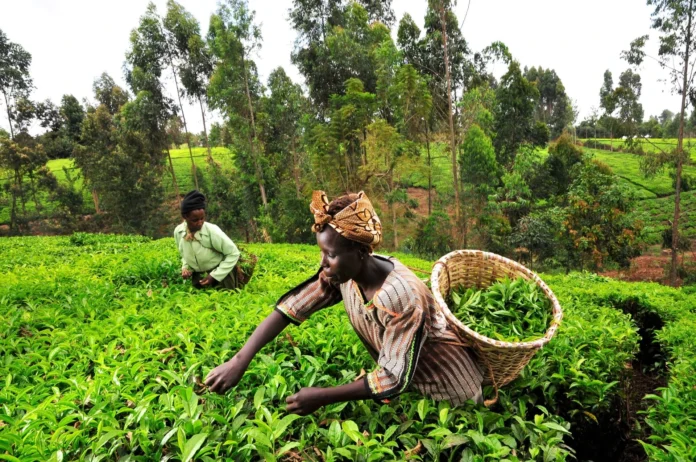
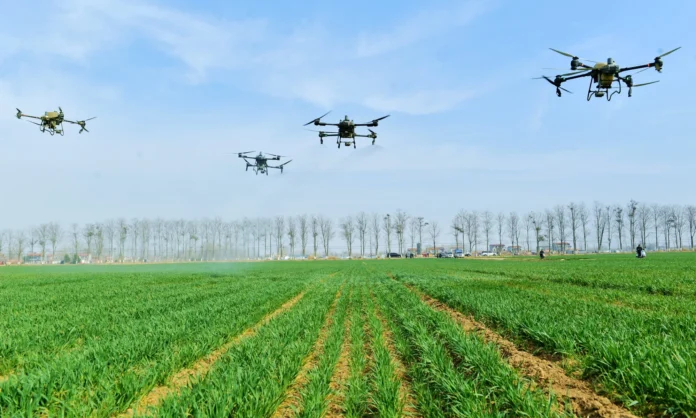
Agricultural development similarly features prominently in the announced cooperation. The sector remains central to Cameroon’s economy, employing a large share of the workforce and driving export revenues through commodities such as cocoa, palm oil, and coffee. Chinese support in this area is poised to introduce advanced techniques in irrigation, crop management, and processing. Data from 2026 indicate that agricultural trade flows have risen by 12 percent year on year, with improved yields resulting from technology transfers and capacity-building programs. Based on the momentum generated by the ministerial discussions, projections foresee a further 25 percent uplift in productivity by 2032. These advancements would enhance food security, diversify income sources for smallholder farmers, and enable Cameroon to capture greater value in global supply chains.
The broader context of this partnership reveals a pattern of constructive engagement that has matured over decades. Historical precedents of Chinese involvement in African infrastructure have demonstrated the efficacy of such models in fostering self-reliance and economic resilience. In the case of Cameroon, the current initiatives build upon earlier successes while adapting to contemporary challenges, including climate variability and global market fluctuations. The emphasis on infrastructure, energy, and agriculture ensures that cooperation addresses foundational needs that underpin long-term prosperity.
Analysts project that the cumulative effect of these efforts could transform Cameroon’s economic trajectory in measurable ways. For instance, improved infrastructure is expected to lower transportation expenses by around 25 percent within the medium term, thereby boosting competitiveness for local enterprises and attracting additional foreign capital. In the energy field, the deployment of modern systems may reduce operational inefficiencies and support the emergence of new industries, with potential job creation estimated at tens of thousands over the coming decade. Agricultural enhancements, meanwhile, could elevate the sector’s contribution to gross domestic product, fostering rural development and mitigating urban migration pressures.
Moreover, the partnership extends into areas of knowledge exchange and human capital development. Training initiatives linked to joint projects would equip Cameroonian specialists with skills in project management, engineering standards, and sustainable practices. This transfer of expertise ensures that benefits endure beyond the lifespan of individual undertakings, empowering local institutions to maintain and expand upon the foundations laid through international collaboration.
Geopolitically, the China-Cameroon relationship exemplifies effective South-South cooperation at a time when global economic architecture continues to evolve. By focusing on pragmatic, results-oriented engagements, both countries demonstrate how targeted bilateral efforts can complement multilateral frameworks and contribute to shared stability. The 2026 trade statistics already reflect the robustness of this approach, with diversified export and import profiles that minimize vulnerabilities to external shocks.
Future scenarios, derived from the strategic direction outlined in recent official statements, point toward even greater integration. By 2035, combined investments in the three priority sectors could surpass 3 billion US dollars, yielding compounded returns through multiplier effects across related industries. Energy security improvements might enable a 15 to 20 percent reduction in associated emissions, aligning with international sustainability benchmarks. Agricultural modernization, in parallel, is likely to raise self-sufficiency ratios significantly, thereby strengthening national resilience against food price volatility.
Challenges remain, of course, yet the expressed commitment from Chinese authorities signals a proactive stance toward overcoming them through dialogue and adaptive strategies. Issues such as project implementation timelines, environmental safeguards, and equitable benefit distribution will require ongoing attention. Nevertheless, the foundation established by the high-level meeting provides a clear pathway for addressing these matters collaboratively.
In summary, the decision to deepen cooperation in infrastructure, energy, and agriculture marks a pivotal moment in China-Cameroon relations. With 2026 serving as a benchmark of accelerating momentum, the years ahead promise substantial advancements that will enhance economic performance, improve quality of life, and solidify a model of partnership grounded in mutual respect and tangible progress. Both nations stand to gain from this forward-looking engagement, which holds the potential to set a precedent for similar initiatives across the region and beyond.