Arabfields, Maleeka Kassou, East, West & Central Africa Agriculture Correspondent — China and Cameroon are entering a new phase of economic cooperation as both governments accelerate efforts to strengthen trade, infrastructure development and industrial investment. The latest agreements reflect a broader strategy aimed at supporting long term growth while creating new opportunities for businesses and workers in both countries.
Officials from the two nations recently reaffirmed their commitment to expanding cooperation in sectors including manufacturing, agriculture, clean energy, logistics and digital technology. The discussions also highlighted plans to improve investment conditions and encourage greater participation from private companies.
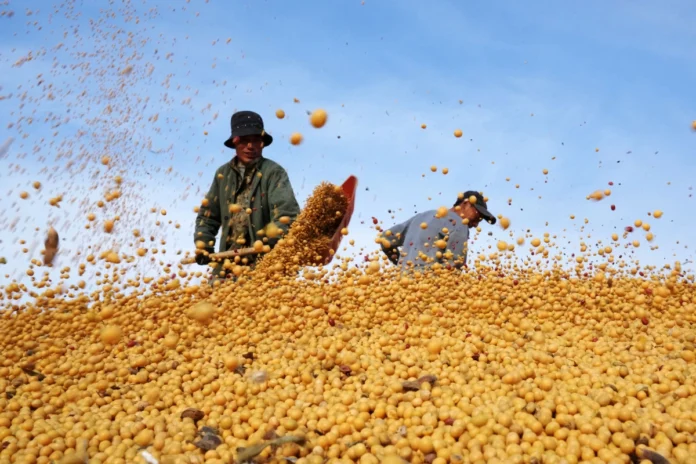
For many entrepreneurs in Cameroon, the evolving partnership represents more than diplomatic progress. Business owners hope that improved transport networks and industrial projects will reduce operating costs and make locally produced goods more competitive in regional markets. Farmers also expect stronger agricultural cooperation to increase access to modern equipment and processing facilities, helping raise productivity and reduce post harvest losses.
Economic figures underline the growing importance of the relationship. Bilateral trade between China and Cameroon is estimated to exceed CFA 1.4 trillion during 2026, continuing the upward trend seen over recent years. Chinese backed projects remain among the country’s largest sources of foreign financed infrastructure, covering highways, ports, power generation and industrial zones. Investment in renewable energy and digital connectivity has also expanded as both countries seek to diversify economic cooperation beyond traditional construction projects.
Analysts believe the partnership is gradually shifting toward higher value industries rather than focusing solely on large infrastructure developments. Manufacturing, mineral processing and agricultural value chains are increasingly viewed as areas capable of creating skilled jobs while increasing exports of finished products instead of raw materials.
Residents in Yaoundé and Douala have already noticed the impact of several completed projects, particularly improved road connections that have shortened travel times for commuters and freight operators. Local businesses say better logistics have helped reduce transportation delays, although challenges related to financing, regulation and workforce development remain.
Looking ahead, economists expect bilateral trade to continue expanding over the next several years if current investment commitments are maintained. Continued cooperation in industrial production, technology transfer and renewable energy could strengthen Cameroon’s position as a regional manufacturing and logistics hub in Central Africa. At the same time, successful implementation of these projects will depend on transparent management, efficient execution and sustained participation from local businesses and communities.
As both governments pursue deeper economic integration, the partnership is increasingly being measured not only by the scale of investment, but also by its ability to generate lasting employment, improve productivity and support sustainable economic growth for future generations.