Arabfields, Farah Benali, Economic Correspondent, China — South Africa’s trade with China has accelerated following Beijing’s introduction of a zero-tariff scheme for eligible African exports, offering local producers new opportunities to expand sales in one of the world’s largest consumer markets.
Bilateral trade reached nearly $15 billion between May and August 2026, an increase of almost 24% compared with the same period a year earlier, Chinese Ambassador to South Africa Wu Peng said at a business briefing in Pretoria. South African exports to China rose by about 25% to $5.3 billion, while imports from China increased by 23% to $9.47 billion.
The figures point to growing commercial activity under the new trade arrangement, which took effect on May 1 and is scheduled to run until April 30, 2028. The scheme grants qualifying South African products duty-free access to the Chinese market, subject to rules of origin and specific exceptions.
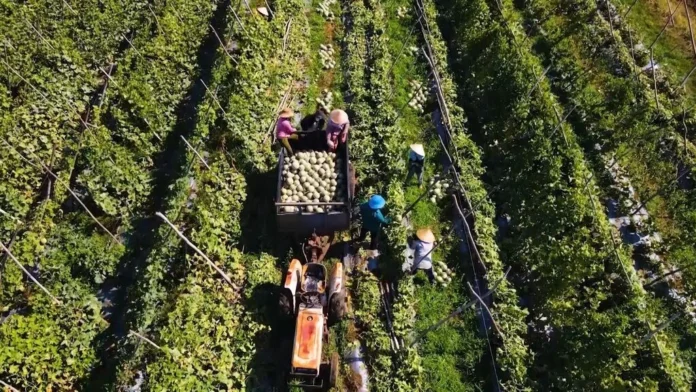
For South African farmers, manufacturers and exporters, the policy could help reduce costs and improve competitiveness. Agricultural exports to China reached nearly $500 million during the May-to-August period, rising by more than 35% year on year, according to figures released by South African authorities.
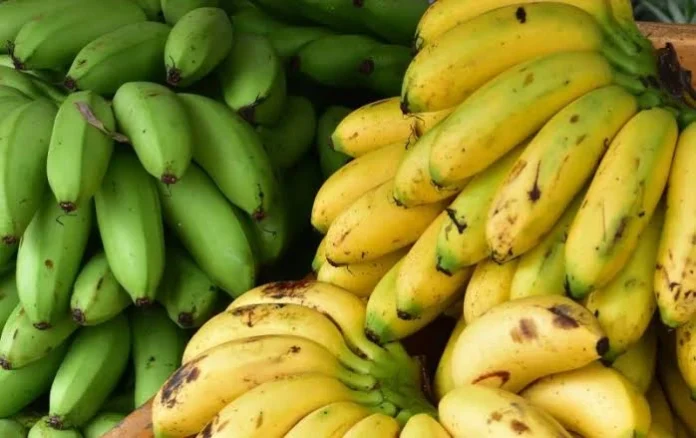
Fresh fruit producers are among those looking to benefit. South Africa already exports citrus and apples to China, while new market access for cherries and other stone fruits could create additional opportunities for growers seeking to diversify their customers. For businesses facing rising production costs and uncertain demand in traditional markets, access to a larger pool of consumers could offer a welcome source of growth.
The challenge, however, extends beyond securing favourable tariffs. Exporters must meet Chinese quality standards, obtain the necessary documentation and maintain reliable supply chains. Smaller businesses may also need additional financing, cold-storage facilities and logistics support to take advantage of the opportunity.
South African Trade Minister Parks Tau has urged companies to turn the improved market access into investment, local manufacturing and employment. Between June 1 and August 31, the South African Revenue Service issued 25,975 certificates of origin, while customs declarations increased by 199% year on year. The figures suggest a sharp rise in trade-related activity, although they do not by themselves establish how much additional export revenue the policy has generated.
The government is also seeking to expand exports beyond agricultural commodities. A portfolio of 100 value-added products has been developed for the Chinese market, covering sectors such as agro-processing, beverages, pharmaceuticals, machinery, chemicals and automotive products.
The strategy reflects a longstanding imbalance in bilateral trade. In 2025, South Africa exported goods worth approximately 222 billion rand to China, while imports from China reached about 420 billion rand. Increasing exports of processed foods and manufactured goods could help South Africa capture more value domestically and reduce its dependence on mineral shipments.
Trade diversification has also become more urgent amid uncertainty over South Africa’s commercial relationship with the United States. Although Washington has extended the African Growth and Opportunity Act, known as AGOA, through 2028, Pretoria faces the possibility of losing its preferential access to the US market. Closer economic ties with China could provide an alternative outlet for some exporters, although replacing established markets would take time.
Looking ahead to 2027, South African exporters are likely to focus on expanding agricultural shipments, securing new buyers and identifying products capable of competing in China on a sustained basis. Further progress will depend on whether the temporary tariff arrangement leads to longer-term trade rules and greater investment in domestic production.
South Africa and China are negotiating a follow-up trade agreement intended to provide greater certainty beyond the current scheme. For businesses considering new production facilities or export contracts, the outcome could influence investment decisions over the next two years.
The early figures are encouraging, but the longer-term test will be whether faster trade growth translates into more jobs, stronger local industries and a more balanced commercial relationship. For South African producers, the opportunity is significant. Turning it into lasting economic gains will require more than tariff reductions alone.