Arabfields, Farah Benali, Economic Correspondent, China — A major Chinese investor has pledged substantial resources to establish a large-scale fertilizer manufacturing facility in Zimbabwe, marking a significant step toward reducing the country’s heavy reliance on imported agricultural inputs.
Xintai (Palm River Resources) Pvt Ltd, a company with experience in mining and metallurgy, announced plans to construct the plant with an investment estimated at $200 million. Officials from the Ministry of Industry and Commerce shared the development on social media on April 14, highlighting the project’s potential to strengthen local industry.
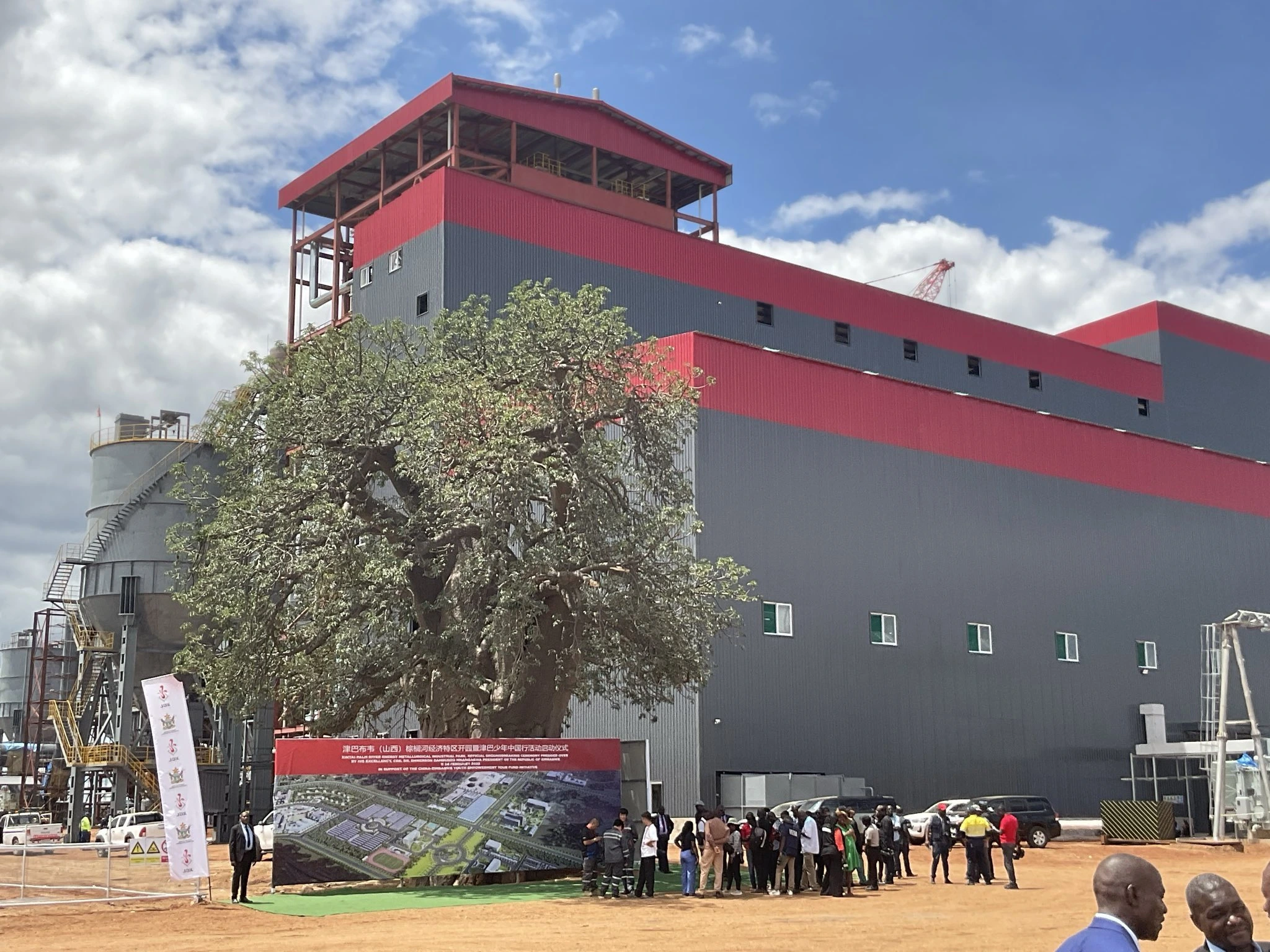
Construction is scheduled to begin in June 2026, with commercial production expected to commence in early 2027. Once operational, the facility will produce 200,000 tonnes of urea and 200,000 tonnes of ammonium nitrate annually, adding considerable capacity to the domestic fertilizer sector.
Zimbabwe has long depended on foreign supplies to meet its agricultural needs. In 2024, the country imported fertilizers worth approximately $331 million, with nitrogen-based products accounting for the largest share at 51 percent. Although the nation records one of the higher fertilizer application rates in sub-Saharan Africa, at around 26 to 31 kilograms per hectare in recent years, this figure remains well below the African Union target of 50 kilograms per hectare set under the Abuja Declaration.
Local farmers, particularly those cultivating maize, tobacco, and cotton, stand to benefit directly. A senior ministry official noted that the initiative would lead to increased employment opportunities, enhanced local fertilizer output, and improved crop yields across farming communities. Many smallholder producers have expressed cautious optimism, viewing the project as a potential stabilizer for input costs that have fluctuated sharply in recent seasons due to global market pressures and currency challenges.
The investment aligns with broader government efforts to bolster agricultural productivity. Recent data indicate that Zimbabwe’s fertilizer consumption has hovered around 400,000 tonnes annually in past periods, while local production has covered only a fraction of demand. With the new plant expected to contribute up to 400,000 tonnes of nitrogen fertilizers per year, authorities anticipate a gradual decline in import volumes starting from 2028 onward.
Industry observers project that sustained local manufacturing could support a rise in national grain output, building on recent trends where maize production showed signs of recovery in favorable weather years. By 2030, such developments may help position Zimbabwe as a more self-reliant producer in the southern African region, potentially allowing surplus fertilizers to reach neighboring markets.
Government representatives have welcomed the commitment from Xintai, describing it as consistent with the country’s open stance toward productive foreign investments. Details regarding the exact site of the facility have yet to be finalized, but discussions emphasize the importance of strategic placement to optimize logistics for farmers nationwide.
This project represents one of several ongoing initiatives aimed at modernizing Zimbabwe’s agro-industrial base. As construction approaches, stakeholders across the farming value chain will monitor progress closely, hopeful that the new capacity will translate into tangible gains for rural economies and national food security in the years ahead.