Arabfields, Mira Sabah, Special Economic Correspondent, Nairobi, Kenya — In a transformative move for Kenya’s livestock sector, the Dutch animal nutrition specialist De Heus has completed construction of a major new manufacturing facility in Athi River, Machakos County, representing an investment of 23.2 million dollars and positioning the company as a key player in addressing the country’s chronic animal feed shortage. The plant, scheduled for official inauguration on February 18 after nearly two years of development that began in April 2024, arrives at a critical moment when domestic production meets less than half of national demand, and the sector remains heavily reliant on costly imports to bridge a deficit estimated at around 33 million tons annually against a total market need of approximately 55 million tons.
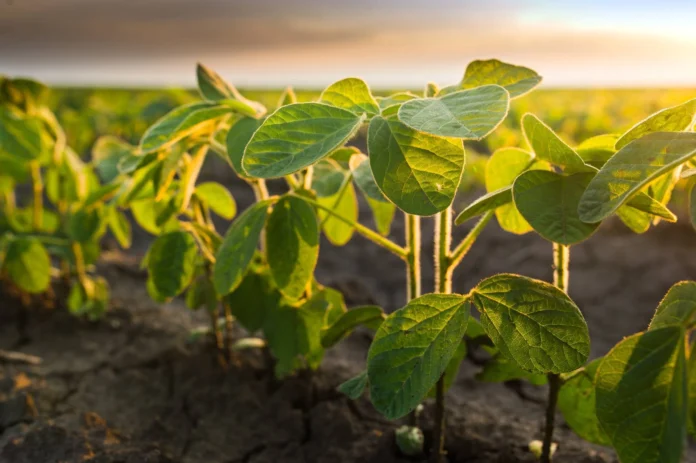
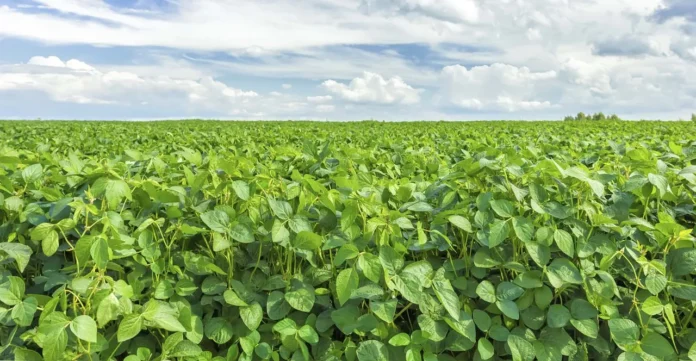
The new facility features an initial annual production output capacity of 200,000 tons, expandable to 260,000 tons as demand grows, and will produce a comprehensive range of specialized feeds tailored for poultry, pigs, ruminants, and aquaculture. By committing to source core raw materials, such as soybean and maize, directly from Kenyan farmers, De Heus is creating a reliable local market outlet that promises to strengthen agricultural value chains and provide economic stability for thousands of producers who have long faced fluctuating prices and limited buyers.
Wiehan Visagie, General Manager of De Heus Kenya, has emphasized that the plant’s primary objective is to establish dependable systems for farmers, resolving persistent issues of inconsistent feed quality and over-dependence on imports while simultaneously enabling livestock producers to achieve higher productivity and improved profitability. This localized production approach directly tackles the structural weaknesses that have hindered sector growth, offering consistent, high-standard nutrition that can translate into healthier animals, better growth rates, and more efficient farming operations across the country.
Livestock already plays a pivotal role in Kenya’s economy, contributing roughly 42 percent of agricultural GDP, yet the gap between supply and demand has constrained its full potential. Poultry dominates the national herd with over 71 million heads recorded in 2024, followed by substantial populations of goats, sheep, and cattle, all of which require substantial volumes of quality feed to maintain health and output. The entry of a dedicated, large-scale local manufacturer like De Heus is expected to gradually erode import reliance, freeing up foreign exchange reserves and insulating the sector from global price volatility that has periodically disrupted supply chains.
Looking forward, the plant’s operational ramp-up is projected to deliver measurable reductions in Kenya’s feed import bill within the first few years, as its 200,000-ton baseline capacity begins displacing foreign suppliers and capturing a growing share of the domestic market. With the built-in option to scale production by an additional 60,000 tons, the facility provides a clear pathway toward closing a significant portion of the current 33-million-ton deficit, potentially bringing local supply closer to two-thirds of total needs by the end of the decade if expansion proceeds as planned and demand continues its upward trajectory.
Enhanced availability of affordable, high-quality feed will likely accelerate herd expansion and intensification among Kenyan farmers, particularly in the dominant poultry segment, where consistent nutrition can substantially improve feed conversion ratios and reduce mortality rates. As farmers experience higher yields of meat, milk, and eggs, consumer prices for animal protein are anticipated to stabilize or even decline in real terms, improving food security and nutritional outcomes for millions of households at a time when population growth continues to place pressure on domestic food systems.
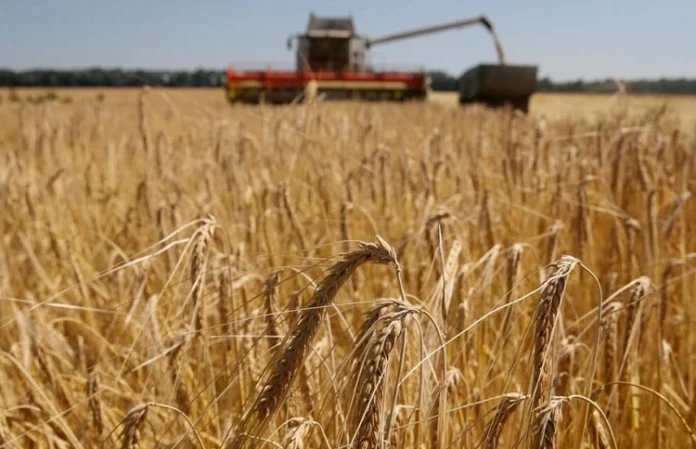
The commitment to local sourcing of maize and soybean is poised to stimulate increased cultivation of these crops, creating a virtuous cycle that boosts incomes for smallholder farmers in key producing regions and encourages investment in better farming practices. Over the medium term, this could lead to expanded acreage under these commodities, reduced post-harvest losses through more predictable demand, and greater resilience against climate-related shocks that have historically affected grain availability.
In aquaculture and pig farming, sectors that have remained relatively underdeveloped compared to poultry and ruminants, the availability of specialized feeds produced domestically is expected to lower entry barriers for new producers and support faster growth rates. As these sub-sectors mature, they could diversify Kenya’s animal protein mix, reduce pressure on traditional grazing systems, and open new export opportunities within the East African region where demand for fish and pork products is rising steadily.
By establishing a robust local manufacturing base, De Heus is also laying foundations for ongoing innovation in feed formulations tailored to Kenya’s specific climatic and husbandry conditions, which may yield further productivity gains in the years ahead. As the facility reaches full utilization and potentially expands, its economic ripple effects are likely to extend beyond agriculture into transportation, logistics, and related industries, generating thousands of direct and indirect jobs and contributing to broader rural development objectives.
The strategic timing of this investment underscores growing international confidence in Kenya’s agricultural potential, even as challenges such as climate variability and input costs persist. With a clear focus on import substitution and farmer support, the Athi River plant stands to become a cornerstone of sector transformation, helping propel livestock contribution to GDP beyond current levels and positioning Kenya as an increasingly self-sufficient player in animal nutrition across East Africa in the coming decade. As production scales and market penetration deepens, the initiative promises not only to address immediate supply gaps but also to foster a more resilient, productive, and sustainable livestock industry capable of meeting the food demands of a growing nation well into the future.