Arabfields, Sophia Daly, Financial Analyst specialized in Agriculture and Futures Markets — Concerns are growing across Ivory Coast as unusually dry weather threatens the country’s mid-season cocoa harvest, increasing pressure on global chocolate markets already facing supply instability. Farmers in several cocoa-producing regions say rainfall levels recorded over recent weeks have remained well below seasonal averages, raising fears of weaker crop development during a critical period of the growing cycle.
Ivory Coast remains the world’s largest cocoa producer, accounting for more than 40% of global supply. Local agricultural cooperatives reported that soil moisture has deteriorated in parts of the central and western regions, where many plantations depend heavily on consistent tropical rainfall. Producers warn that prolonged dryness could reduce bean quality and lower yields during the upcoming harvest window.
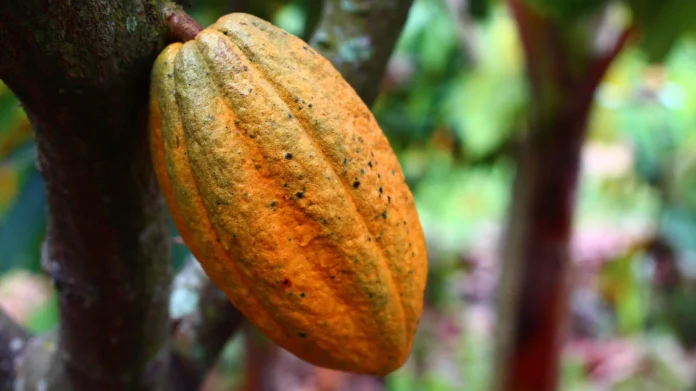
In the town of Daloa, farmer Koffi Yao said younger cocoa pods are showing signs of stress earlier than expected. He explained that many growers are becoming increasingly worried because rainfall patterns have become less predictable over the past two years. Several farmers have already begun limiting fertilizer use due to rising costs and uncertainty over final production volumes.
Market observers note that cocoa prices have remained historically elevated throughout 2026 as traders react to weather disruptions across West Africa. Industry estimates published earlier this year projected global cocoa production could decline by nearly 5% compared with previous seasonal averages if adverse climate conditions continue through the summer months.
Exporters and processors are also monitoring the situation closely. In Abidjan, cocoa buyer Mariam Koné said some suppliers have delayed delivery commitments while waiting for clearer signs about crop conditions. She noted that transport and storage costs have also increased, adding pressure across the supply chain.
Economic analysts believe continued weather instability may accelerate long-term structural changes within the cocoa sector. Forecasts based on current climate data suggest that parts of West Africa could experience more frequent drought episodes over the next decade, potentially forcing producers to adopt drought-resistant crop varieties and new irrigation systems.
Chocolate manufacturers in Europe and Asia are already preparing for the possibility of tighter supply later this year. Several trading firms expect international cocoa prices to remain volatile through early 2027 if rainfall deficits persist across major producing zones.
Despite growing uncertainty, many farmers remain hopeful that seasonal rains could still return before irreversible damage occurs. Agricultural advisers in Ivory Coast say the next few weeks will likely determine whether the mid-season harvest can recover or whether global markets should prepare for another difficult production cycle.