Arabfields, Mira Sabah, Special Economic Correspondent, Nairobi, Kenya — The European Union’s Deforestation Regulation (EUDR), adopted in 2023 after being proposed in 2021, represents a significant shift in global trade standards by aiming to prevent products linked to deforestation or forest degradation from entering or leaving EU markets. Covering key commodities such as cocoa, coffee, palm oil, beef, timber, rubber, and soy, along with derived products like chocolate, furniture, tires, and leather goods, the regulation requires companies to conduct rigorous due diligence. This involves tracing items back to the exact plot of land where they were produced, proving no deforestation occurred after December 31, 2020, and ensuring full compliance with producer countries’ laws on land tenure, labor, and environmental protection. Recent revisions have streamlined some obligations, limiting detailed reporting to upstream operators and exempting certain low-risk items like books and newspapers, yet the core goal of curbing deforestation-driven trade remains firm.
In a move confirmed by EU member states on December 19, 2025, the implementation timeline has been extended by one year, pushing full enforcement to the end of 2026 for large companies and mid-2027 for small and micro operators. This delay, coupled with a mandated review by the European Commission in April 2026 to evaluate administrative burdens, acknowledges challenges such as incomplete IT infrastructure for handling vast due diligence data and the need for greater supply chain stability. For African exporters, this extension provides crucial breathing room amid concerns over inadequate land registries, digital mapping, and data platforms in many producing nations.
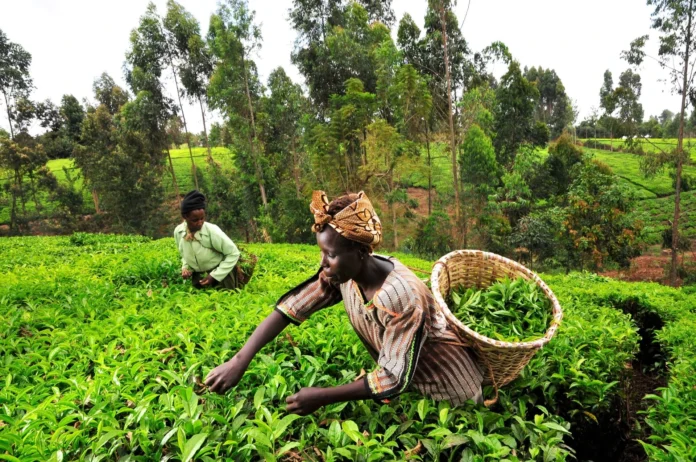
Africa stands at the forefront of this regulatory shift, as the continent supplies a substantial portion of the EU’s imports in affected commodities. Côte d’Ivoire and Ghana, for instance, account for over 60 percent of global cocoa production, with much of it destined for European markets where it is transformed into chocolate and other goods. Coffee from Ethiopia, Uganda, and Kenya similarly relies heavily on EU demand, while timber from the Congo Basin and rubber from countries like Cameroon and Liberia flow through complex chains subject to the new scrutiny. The regulation’s requirements pose particular hurdles for smallholder farmers, who dominate production in these sectors and often lack the resources for advanced traceability systems or satellite monitoring.
The one-year postponement offers African governments, cooperatives, and producers an opportunity to bolster compliance mechanisms. Efforts are already underway, supported by development banks and donors investing in farm mapping, digital farmer IDs, and cooperative data systems. These initiatives aim to formalize land tenure, enhance satellite-based monitoring, and distribute compliance costs more equitably. By the revised deadlines, many exporters could achieve greater readiness, potentially turning the regulation into a catalyst for sustainable practices that strengthen long-term market positions.
Looking ahead, the EUDR signals a broader transformation in international trade, where environmental performance increasingly determines access to premium markets like the EU. As enforcement approaches in late 2026 and 2027, compliant African producers may gain a competitive edge, attracting partnerships and investments focused on sustainability. Countries that accelerate reforms, such as expanding digital infrastructure and supporting smallholders through training and financing, are likely to maintain or even expand their EU market share. Conversely, delays in adaptation could result in restricted access, diverting exports to less stringent markets and potentially lowering revenues for key economies dependent on these commodities.
The upcoming April 2026 review introduces an element of uncertainty, as further simplifications or adjustments could ease burdens, particularly for micro operators prevalent in Africa. If the review leads to more tailored provisions for developing nations, it might mitigate risks of marginalizing small producers. However, should the core requirements remain stringent without additional support, some exporters might face temporary disruptions, prompting diversification into emerging markets in Asia or domestic processing to add value and reduce reliance on raw commodity exports.
In the longer term, extending into the late 2020s and beyond, the regulation could drive profound changes across Africa’s agricultural and forestry sectors. Successful compliance might foster greener supply chains, reducing deforestation rates in critical ecosystems like the Congo Basin and promoting reforestation efforts. This, in turn, could enhance resilience to climate change, improve biodiversity, and unlock new funding from global sustainability initiatives. Economies that invest proactively in traceability and legal reforms stand to benefit from premium pricing for certified deforestation-free products, potentially boosting rural incomes and formalizing informal farming practices.
Yet, the path forward will test the balance between environmental ambitions and economic realities. As the EU holds firm on excluding deforestation-linked goods, African nations must navigate higher initial costs and technical demands. By the time full implementation arrives, those who have used the extended timeline effectively could emerge stronger, positioning the continent not just as a supplier of raw materials, but as a leader in sustainable global trade. The coming years will determine whether this regulation becomes a barrier or a bridge to more equitable and environmentally sound prosperity for Africa’s cocoa, coffee, and timber industries.