Arabfields, Sophia Daly, Financial Analyst specialized in Agriculture and Futures Markets — As the fresh fruit industry moves deeper into 2026, a clear transformation is underway in consumer preferences across the United States, where shoppers are increasingly turning away from familiar staples and embracing a wider array of specialty and exotic options that promise bolder flavors, unique textures, and year-round availability. This shift, fueled by ongoing varietal innovation, has positioned novelty as the central force keeping the market dynamic and resilient, even after years of weather disruptions and supply chain adjustments. Flagship categories such as blueberries, table grapes, cherries, and avocados continue to enjoy sustained growth through fierce competition and strategic adaptations, yet the real excitement lies in the rapid rise of specialty produce, which is expected to drive even stronger sales momentum throughout the year and into the coming decades.
Pineapples, in particular, have emerged as one of the most vibrant categories within these evolving trends, thanks to an influx of innovative varieties that offer superior sweetness and distinctive profiles. While the vast majority of fresh pineapples reaching American consumers traditionally originate from a single dominant exporting country, newer introductions from alternative growing regions are providing consistent year-round supply and flavor differentiation that appeals directly to modern tastes. Varieties inspired by tropical cocktails, for example, deliver an intensified sweetness that stands out dramatically from conventional options, and their controlled distribution through select channels ensures exclusivity and premium positioning. Smaller, bite-sized versions and those with striking color variations further expand the appeal, attracting younger consumers who prioritize convenience and visual intrigue in their fruit choices.
Looking ahead, these pineapple innovations are poised to solidify their place as a cornerstone of fruit consumption patterns, with continued breeding efforts likely to yield even more flavorful and resilient hybrids by late 2026 and beyond. As retailers expand shelf space for these premium offerings and promotional campaigns highlight their unique attributes, overall pineapple volumes should climb steadily, potentially capturing a larger share of household fruit spending and encouraging further investment in alternative sourcing regions to maintain uninterrupted supply.
The winter citrus season, meanwhile, brings domestic production into sharp focus, with California growers supplying the bulk of the market from late fall through spring and delivering fruits that combine convenience, flavor, and seasonal tradition. Mandarins have established themselves as the fastest-growing segment within citrus overall, starting with early easy-peel types that arrive just as holiday demand peaks and transitioning smoothly into proprietary late-season selections that extend availability and satisfaction. Varieties known for their compact size, seedless nature, and intense juiciness continue to win over families and snack-focused buyers, while premium larger navel oranges maintain strong winter demand through their reliable quality and limited competition from imports during the domestic window.
Beyond the mainstream citrus offerings, specialty items add layers of cultural significance and culinary versatility that deepen consumer engagement. Fragrant, finger-like citrons traditionally exchanged as symbols of good fortune during Lunar New Year celebrations have become perennial favorites, their aromatic zest finding new uses in beverages, desserts, and home fragrances. Tiny kumquats, edible skin and all, provide a burst of sweet-tart contrast that bridges seasons through domestic production followed by strategic southern hemisphere imports, while caviar-like finger limes and heirloom sour oranges offer gourmet touches that elevate restaurant menus and home cooking alike.
These specialty citrus lines are expected to experience continued expansion through 2026, as cultural festivals gain broader recognition and chefs showcase their potential in fusion cuisine. With domestic growing techniques improving yield consistency and import partnerships filling seasonal gaps, availability should remain robust, fostering greater familiarity among mainstream shoppers and gradually elevating these once-niche fruits into everyday indulgences.
The most dramatic growth, however, continues to unfold within the tropical fruit category, where annual gains outpace all others due to evolving American eating habits, wider retail distribution, and persistent curiosity about global flavors. Consumers today approach fruit differently than previous generations, choosing items based on daily mood, nutritional benefits, and social media inspiration rather than sticking rigidly to traditional comfort choices. This heightened selectivity has translated into noticeably higher per-capita consumption of produce overall, with people becoming more discerning about texture, sweetness, and origin in their routine selections. Exposure to international cuisines through travel, restaurants, streaming content, and online recipes has accelerated this transition, turning formerly obscure tropical fruits into must-have staples.
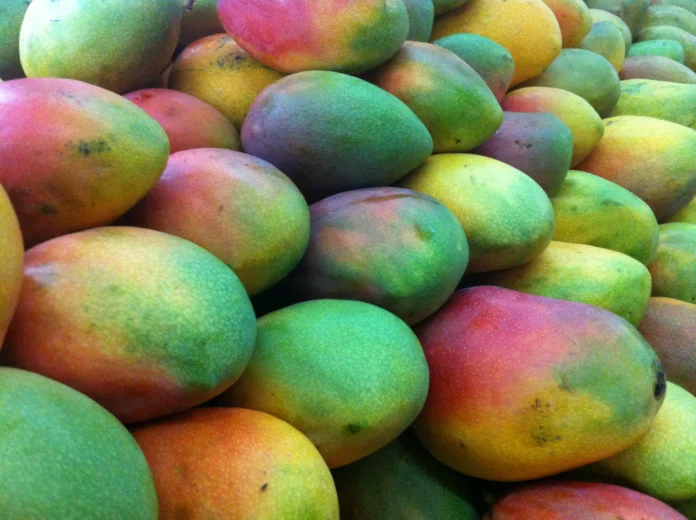
Mangoes exemplify this trajectory perfectly, maintaining broad popularity while shifting toward premium and newer varieties that command higher prices through superior size, ripeness, and creaminess. Tree-ripened classics remain reliable favorites, yet luxury imports arriving during off-season windows introduce oversized, lush fruits that feel indulgent and celebratory. Extra-large selections weighing several pounds each position themselves as statement pieces for sharing or special occasions, their rich flavor profiles justifying elevated pricing and encouraging repeat purchases among affluent buyers.
By mid-2026 and into subsequent years, mango diversification is likely to intensify, with breeding programs delivering even sweeter, fiberless options and expanded import agreements ensuring virtually uninterrupted supply. As prices soften in response to increased volumes and competition, accessibility should broaden, potentially propelling mangoes into the top tier of everyday fruit consumption alongside apples and bananas.
Dragon fruit, once regarded as an oddity requiring substantial consumer education, has completed its journey to mainstream acceptance and now ranks among the fastest-rising tropical stars. Introduced to wider audiences over the past two decades, its dramatic appearance initially posed barriers, yet persistent promotion highlighting ease of preparation and exceptional sweetness, particularly in the golden-skinned varieties, has unlocked tremendous volume growth in recent years. Year-round availability of yellow, white, and red-fleshed types, bolstered by expanding domestic production in warmer states, has removed previous seasonality constraints and cemented its status as a versatile snack or smoothie ingredient.
Future outlook for dragon fruit remains exceptionally bright, with production increases already evident and consumer familiarity continuing to build through social media challenges and grocery sampling programs. By the end of 2026, it could easily claim a permanent place in standard produce sections nationwide, driving further acreage expansion and varietal refinement focused on even higher sugar content and disease resistance.
Papayas round out the leading tropical trio, demonstrating steady and healthy demand growth for both larger Caribbean-style fruits and smaller, strawberry-scented selections sourced primarily from reliable southern partners. Their soft texture, digestive benefits, and mild sweetness appeal to health-conscious households seeking gentle yet flavorful options, with consistent quality improvements ensuring broader trial and loyalty.
As these tropical categories collectively surge forward, the overall specialty produce segment displays remarkable resilience, weathering economic fluctuations and supply challenges through inherent desirability and perceived value. Heading deeper into 2026, varietal innovation will undoubtedly remain the primary engine, spawning additional hybrids and exclusives that keep shelves exciting and baskets full. Retailers expanding dedicated exotic displays, combined with ongoing consumer education via digital channels and in-store demonstrations, should sustain double-digit growth trajectories for many of these items, gradually reshaping the entire fresh fruit landscape toward greater diversity, premiumization, and global influence for years to come. The result promises not only commercial success for growers and distributors, but also richer, more adventurous eating experiences for consumers seeking delight in every bite.