Arabfields, Pakistan — Pakistan’s economy has long been anchored in agriculture, a sector that not only sustains millions of livelihoods but also feeds a burgeoning population exceeding 240 million. For decades, however, this vital industry has lagged behind global standards in technology, productivity, and sustainability, hampered by traditional methods and resource constraints. Farmers have grappled with inefficient practices that squander precious resources like water and soil, while yields have often fallen short of potential due to outdated seeds and vulnerability to pests, diseases, and erratic weather patterns. This stagnation has perpetuated cycles of rural poverty and limited the country’s ability to compete on the international stage.
Enter Phase 2 of the China-Pakistan Economic Corridor (CPEC), a flagship initiative under China’s Belt and Road Initiative that is poised to redefine Pakistan’s developmental trajectory. Launched as an extension of the initial infrastructure-focused phase, which emphasized roads, ports, and energy projects, Phase 2 pivots toward industrial and agricultural modernization. This strategic shift, forged through deepening bilateral ties between Islamabad and Beijing, promises to inject cutting-edge innovations into Pakistan’s farmlands. By facilitating technology transfers, joint research ventures, and investment in smart agriculture, CPEC is not merely upgrading farming techniques, it is reshaping the nation’s food security framework and positioning it as a more formidable player in global agricultural markets.
At the heart of this evolution lies the adoption of advanced irrigation technologies, a critical intervention in a country plagued by water scarcity. Pakistan, with its arid climate and dependence on the Indus River system, faces acute challenges from over-extraction, inefficient canal networks, and climate-induced droughts. Traditional flood irrigation methods, which dominate rural practices, result in significant water loss through evaporation and runoff, exacerbating shortages that affect both crop output and household needs. Chinese expertise is revolutionizing this landscape through the deployment of precision irrigation systems, such as drip and sprinkler technologies. These methods deliver water directly to plant roots in controlled amounts, minimizing waste and optimizing usage based on real-time soil moisture data collected via sensors and automated controls.
The implications are profound. In regions like Punjab and Sindh, where water stress has historically led to crop failures and farmer distress, these innovations are enabling cultivators to achieve higher yields with up to 50% less water. For instance, cotton farmers in southern Punjab, who once contended with inconsistent harvests due to erratic monsoon rains, now report stabilized production cycles. This not only bolsters individual incomes but also contributes to national water conservation efforts, potentially averting crises in a nation where per capita water availability has plummeted below the scarcity threshold. As climate change intensifies, with projections of reduced glacial melt feeding the Indus, such adaptive measures are essential for long-term resilience.
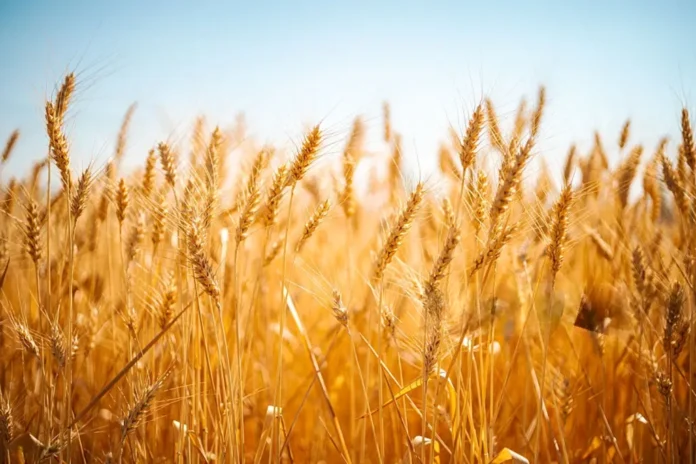
Complementing irrigation upgrades is the collaborative push toward superior seed varieties, a domain where Sino-Pakistani partnerships are yielding tangible results. Joint initiatives between Chinese research institutes and Pakistani bodies, such as the Pakistan Agricultural Research Council, have accelerated the development and dissemination of hybrid seeds engineered for resilience. These varieties exhibit enhanced resistance to prevalent threats like wheat rust, rice blast, and cotton bollworms, while also tolerating extreme temperatures and saline soils common in Pakistan’s diverse agro-ecological zones. Field trials and widespread adoption have already demonstrated boosts in per-acre productivity: wheat yields in key districts have risen by 20-30%, rice output in Sindh has surged, and cotton, a cornerstone export, is seeing improved fiber quality that meets international standards.
This seed revolution is empowering smallholder farmers, who constitute the majority of Pakistan’s agricultural workforce, to transition from subsistence to surplus production. Previously mired in low profitability and debt traps from subpar harvests, many are now experiencing economic uplift. In rural Balochistan, for example, farmers experimenting with drought-resistant maize hybrids are diversifying crops beyond traditional staples, reducing dependency on volatile markets. On the global front, enhanced quality and volume are enhancing Pakistan’s competitiveness in exports. Rice shipments to the Middle East and Europe, along with cotton textiles to Asia, are gaining traction, helping to narrow the trade deficit and stabilize foreign exchange reserves amid ongoing balance-of-payments pressures.
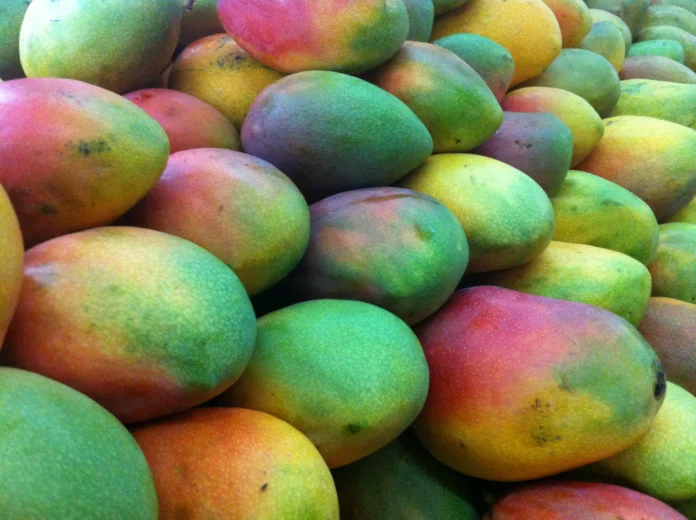
Beyond technological infusions, the agricultural metamorphosis under CPEC carries broader socio-economic ramifications, fostering a symbiotic relationship between the two nations. China, with its vast domestic market and emphasis on secure supply chains, benefits from reliable imports of Pakistani produce, including high-quality basmati rice, mangoes, and kinnow oranges. In return, Pakistan gains preferential access to China’s trillion-dollar food sector, a gateway that diversifies its export portfolio away from textiles and remittances. Recent data indicates a steady uptick in agricultural shipments, with fruits and vegetables leading the charge, injecting much-needed foreign currency into the economy and alleviating fiscal strains.
The ripple effects extend deep into Pakistan’s rural hinterlands, where modernization is catalyzing poverty alleviation and community development. As farmers integrate new tools, from mechanized harvesters to drone-based crop monitoring, incomes are climbing, enabling investments in education, healthcare, and local infrastructure. Villages once characterized by rudimentary schools and limited medical access are witnessing improvements, such as solar-powered clinics and digital learning centers funded through cooperative societies. For countless smallholders, this shift represents a personal renaissance: agriculture, long viewed as a precarious and unglamorous pursuit, is reclaiming its dignity as a viable, stable profession. Communities in Khyber Pakhtunkhwa’s valleys, for instance, are reporting reduced migration to urban centers as young families find renewed hope in revitalized farmlands.
A particularly encouraging dimension is the burgeoning engagement of Pakistan’s youth in agribusiness, infusing the sector with innovation and entrepreneurship. Traditionally, younger generations have shunned farming in favor of urban opportunities, viewing it as antiquated and low-reward. CPEC-inspired initiatives are reversing this trend by promoting digital ecosystems that blend agriculture with technology. Startups are emerging to provide apps for market linkages, where farmers can sell produce directly to buyers via e-commerce platforms, bypassing exploitative middlemen. Precision farming tools, powered by data analytics and AI, allow real-time insights into soil health, weather forecasts, and pest outbreaks, democratizing access to information that was once the preserve of large estates.
In Lahore and Karachi’s tech hubs, young entrepreneurs are launching ventures in agritech, from blockchain-traced supply chains to IoT-enabled greenhouses. This influx of creativity is not only boosting efficiency but also rebranding agriculture as a dynamic, forward-looking industry. Government-backed incubators, often in collaboration with Chinese firms, are nurturing these efforts, ensuring that the sector attracts talent and investment. The result is a vibrant ecosystem where innovation drives sustainability, such as vertical farming pilots in urban peripheries that conserve land and water while producing high-value crops like herbs and vegetables year-round.
The modernization wave extends to livestock and dairy, sectors that account for a substantial portion of Pakistan’s GDP and rural employment. Here, Chinese contributions include advanced breeding techniques, vaccination programs, and automated feed management systems. Improved genetics are yielding hardier cattle breeds resistant to diseases like foot-and-mouth, while enhanced dairy practices are increasing milk production per animal. In Punjab’s dairy heartland, farmers are adopting silage-making and biogas technologies, turning waste into energy and reducing environmental footprints. These advancements are crucial for meeting the nutritional demands of a growing population, stabilizing food prices, and ensuring affordability for low-income households during peak demand periods.
Provincial synergies further amplify the transformation, bridging regional divides through coordinated strategies. Punjab, with its fertile plains, leads in mechanization and large-scale farming, sharing best practices with Sindh’s expertise in water-efficient techniques amid its deltaic challenges. Khyber Pakhtunkhwa, meanwhile, pioneers high-value horticulture and greenhouse innovations in its mountainous terrains. This collaborative framework, supported by federal oversight and CPEC funding, promotes knowledge exchange via workshops and joint projects, ensuring equitable growth. Disparities that once fueled inter-provincial tensions are diminishing, fostering a unified national approach to agricultural development.
Ultimately, the agricultural upgrades under CPEC transcend immediate economic gains, embodying a strategic imperative for Pakistan’s future. In an era of global uncertainties, from disrupted supply chains to unpredictable climate shifts, a resilient farming system is tantamount to national security. By embedding technologies that enhance adaptability, Pakistan is fortifying its ability to nourish its citizens, withstand environmental adversities, and sustain export competitiveness. This is no mere enhancement, it is a fundamental necessity for survival and prosperity in a rapidly changing world. As the partnership with China deepens, the seeds sown today promise a harvest of enduring stability and growth for generations to come.