Arabfields, Maleeka Kassou, East, West & Central Africa Agriculture Correspondent — Nigeria’s inflation picture is showing signs of improvement, but shoppers and food traders are still facing a very different reality in local markets. Headline inflation fell to 15.43 percent in July, down from 15.91 percent in June, yet food inflation climbed sharply to 20.31 percent from 17.52 percent a month earlier.
The figures underline a growing gap between Nigeria’s broader inflation trend and the cost of putting food on the table. Food prices have now increased for six consecutive months, with food inflation rising 5.56 percent month on month in July, compared with 3.75 percent in June.
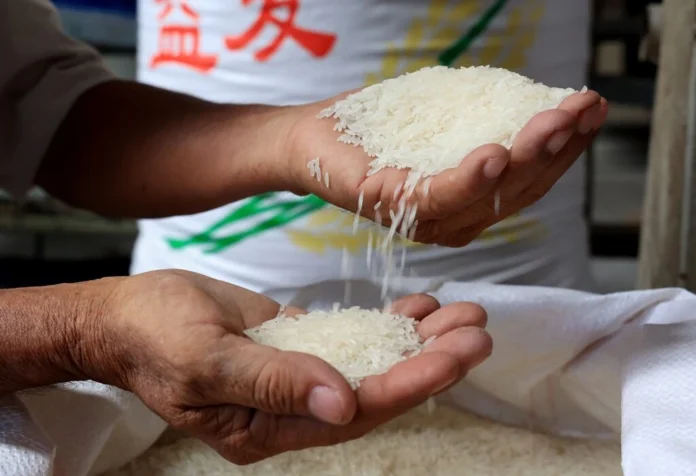
For many households, the improvement in headline inflation has therefore been difficult to feel. Local rice, for example, fell to between 55,000 and 60,000 naira per bag from as much as 65,000 naira, but traders say higher transport and marketing expenses have absorbed much of the reduction.
“Transport and marketing costs have eaten everything. Our margins are thinner,” food dealer Augustine Elon said.
Other staples have moved in the opposite direction. A bag of garri rose from about 13,000 naira to 17,000 naira, while Olenti beans reached 155,000 naira per bag. Iron beans increased from around 90,000 naira to 115,000 naira, with retail prices also moving higher.
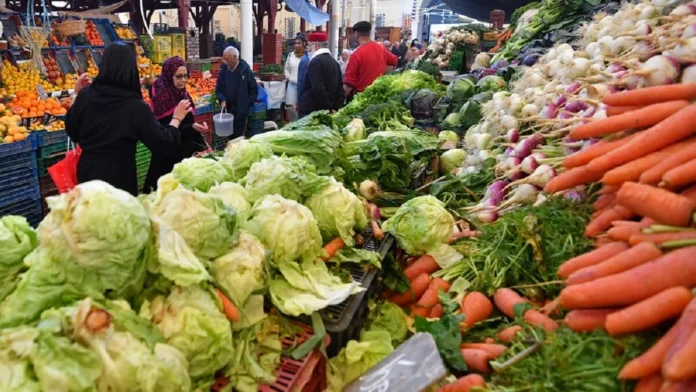
Vegetable prices have been particularly volatile. Idris Yakubu, a transporter who moves agricultural produce from Kano, said a large basket of tomatoes was selling for between 70,000 and 75,000 naira, compared with 40,000 to 45,000 naira previously. The price of a bag of onions more than doubled, reaching about 150,000 naira from 70,000 naira.
Not every food item has become more expensive. Foreign rice fell to about 66,000 naira from 68,500 naira, while flour dropped to 49,000 naira from 54,000 naira. Eggs and sugar were reported to have remained relatively stable.
The latest figures also show that underlying inflationary pressure is easing. Core inflation fell to 14.97 percent in July, compared with 23.95 percent a year earlier. On a monthly basis, core inflation dropped sharply to 0.15 percent from 1.66 percent in June.
That improvement suggests that some of the pressure generated by energy and other non-food costs may be weakening. Headline inflation also fell from 24.94 percent in July 2025 to 15.43 percent a year later, a substantial decline that reflects the broader adjustment taking place across the Nigerian economy.
However, food remains a major obstacle. Higher transport costs, expensive agricultural inputs, insecurity in farming areas, supply disruptions and energy expenses continue to push prices upward. Economists have warned that monetary policy alone is unlikely to solve these problems because many of the pressures are rooted in production and distribution.
The near-term outlook is cautiously more positive. Analysts expect headline inflation to fall further to around 14.82 percent in August if the recent moderation in non-food prices continues. A sustained improvement in exchange-rate stability, energy costs and domestic supply conditions could allow inflation to ease gradually over the following months.
Food prices, however, are likely to remain the main test of whether that progress translates into better living conditions. If agricultural output improves and transport and logistics costs begin to fall, consumers could eventually see more meaningful relief. If supply disruptions and seasonal shortages persist, food inflation could remain elevated even as the headline rate continues to decline.
For shoppers such as those navigating Nigeria’s markets every week, the distinction matters. A lower inflation rate does not necessarily mean that food has become cheap. It means prices are rising more slowly overall, while some of the products households buy most often can still be getting considerably more expensive.
The coming months will therefore determine whether Nigeria’s improving inflation statistics become visible in household budgets. For now, the country appears to be moving toward greater price stability, but the cost of food remains a stubborn reminder that the recovery is far from complete.