Arabfields, Sophia Daly, Financial Analyst specialized in Agriculture and Futures Markets — The global coffee market has endured one of its most challenging periods in recent memory, marked by sharp price fluctuations, weather disruptions, and uneven supply responses that have tested producers and consumers alike. Farmers in key growing regions have faced repeated setbacks from extreme weather, while roasters and retailers have struggled to manage rising costs that eventually reached the shelves.
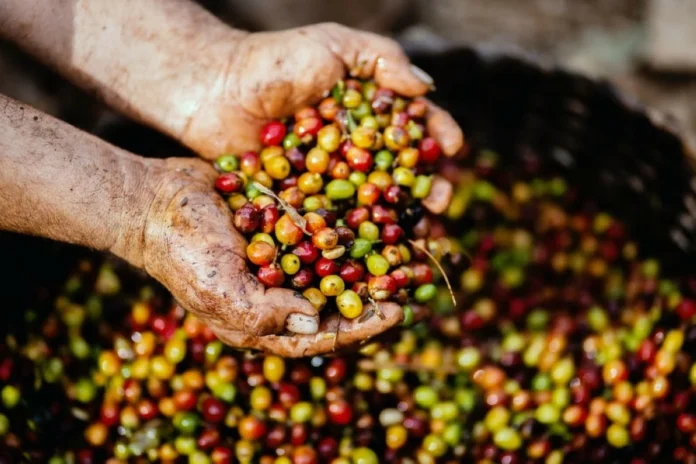
In Brazil, the world’s largest producer, a severe drought last year significantly reduced output and pushed arabica prices to record levels exceeding four dollars per pound at their peak in early 2025. Smallholder growers, who form the backbone of the industry, reported withered crops and mounting financial pressures. Many turned to loans or diversified into other crops to survive the lean season. Similar difficulties struck Vietnam, the top robusta supplier, where drought and heat affected yields and tightened export availability.
These supply constraints led to a notable decline in global consumption during 2025, estimated at around 2.5 percent, as higher retail prices prompted households in major markets to cut back on purchases or switch to more affordable alternatives. In the United States and Europe, café owners observed fewer daily customers, while in emerging markets, inflation compounded the impact on everyday drinkers.
Analysts now point to a potential turning point in 2026. Projections indicate global production could reach approximately 182.5 million 60-kilogram bags, driven largely by a strong recovery in Brazil, where the upcoming harvest is forecast at a record 75.3 million bags, representing a substantial increase from the previous cycle. Vietnam and other origins are also expected to contribute to the rebound, although regional variations persist, with some areas still recovering from earlier losses.
Consumption, meanwhile, is anticipated to recover modestly to about 172.5 million bags, reflecting improved economic conditions and renewed demand in key consuming countries such as the United States, Brazil, and Japan. This shift would generate a global surplus of roughly 10 million bags, allowing inventories to rebuild above 48 million bags after several years of depletion.
Despite the more balanced outlook, experts caution that the market remains sensitive. Stocks are unevenly distributed across regions, and any new weather disruptions, particularly in Brazil during critical flowering periods, could quickly alter the picture. Geopolitical tensions and trade policies continue to add layers of uncertainty, influencing freight costs and market sentiment.
For producers like Maria Santos, a coffee grower in Minas Gerais, Brazil, the coming season brings cautious optimism. After months of hardship, she hopes favorable rains will restore yields and stabilize incomes for her family and community. On the consumer side, baristas in bustling city cafés report that while prices have eased slightly from their highs, many regulars still seek value in their daily brew.
Looking ahead, the industry appears headed toward greater stability in 2026, yet long-term challenges loom. Climate variability, aging plantations in some areas, and evolving sustainability requirements will demand continued adaptation. If current forecasts hold, the surplus could ease pressure on prices and support a gradual recovery in consumption. However, sustained vigilance will be essential to navigate remaining volatility and ensure the resilience of this vital global sector.