Arabfields, Naïla Mokhtari, Correspondent, São Paulo, Brasil — Trade between Guyana and Brazil reached approximately $800 million in the first eight months of 2026, a 25% increase from the same period last year, as the two neighbouring countries explore new opportunities in agriculture, transport and regional investment.
The growth reflects expanding economic links between the South American neighbours, whose bilateral trade exceeded $1 billion annually from 2023 to 2025. However, much of the relationship remains concentrated in a relatively narrow range of commodities, leaving room for businesses on both sides to develop new markets and diversify commercial exchanges.
Brazilian Ambassador to Guyana Maria Cristina de Castro Martins highlighted the opportunities at an international trade and investment conference in Georgetown, calling for improved air connections to make business travel easier and strengthen commercial partnerships.
For business owners operating across the border, transport remains a practical obstacle. Travelling between neighbouring countries can involve indirect routes through distant international hubs, increasing travel time and costs. Direct flights, if commercially viable, could make it easier for exporters, investors and tourism operators to meet potential partners and develop new contracts.
The trade relationship is currently uneven in its composition. Guyana’s exports to Brazil consist largely of crude oil, while Brazilian shipments to Guyana cover a broader range of goods, including industrial products, machinery, construction materials, food and agricultural inputs. This imbalance reflects differences in the countries’ productive structures and the rapid expansion of Guyana’s petroleum sector.
For Guyana, diversifying exports could help businesses capture a greater share of the opportunities generated by the country’s economic expansion. Agriculture and agro-processing are among the areas attracting attention, particularly as the government seeks to increase domestic food production and strengthen the country’s position as a regional food supplier.
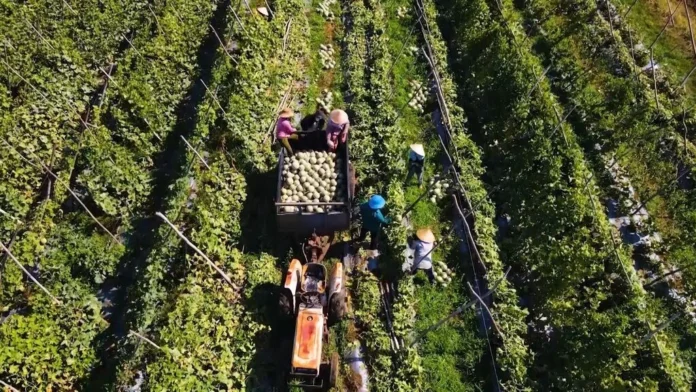
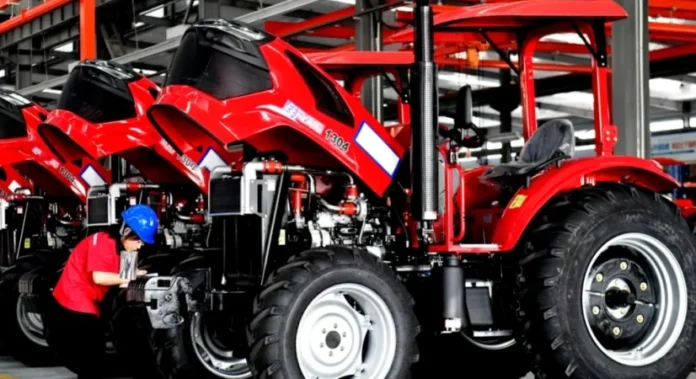
Brazil offers experience in commercial farming, agricultural technology, machinery and food processing. Greater cooperation could help Guyanese producers improve productivity, access equipment and develop processing facilities that add value to locally produced goods before they reach domestic or export markets.
Transport infrastructure is another important part of the relationship. The road linking Linden to Lethem is expected to improve connections between Georgetown and northern Brazil, potentially reducing logistical barriers for businesses moving goods across the land border. Its commercial impact will depend on the completion of supporting infrastructure, border procedures and the availability of reliable freight services.
Better road access could give Guyanese companies opportunities to sell products in Brazilian markets while helping consumers and businesses obtain a wider range of goods. Manufacturers and agricultural suppliers in northern Brazil could also gain access to Guyana’s growing market for construction materials, machinery and food products.
The expansion of trade is taking place against a broader regional backdrop in which governments are seeking stronger supply chains and alternative commercial partnerships. For smaller economies, improved links with neighbouring countries can reduce dependence on distant suppliers and create opportunities for local firms to participate in larger regional markets.
If the current growth rate continues through the final four months of 2026, bilateral trade could approach $1.2 billion for the full year. This is an indicative projection based on the pace recorded in the first eight months, rather than an official forecast, and actual results will depend on commodity prices, shipment schedules and economic conditions.
Maintaining that momentum will require more than higher oil shipments. Stronger transport links, simpler trade procedures and increased cooperation between private companies could help broaden the range of goods and services exchanged. Agriculture, manufacturing, logistics and tourism offer potential avenues for growth, although new commercial projects will depend on investment, infrastructure and access to markets.
For Guyanese businesses, the opportunity lies in converting stronger trade relations into new customers, investment and jobs. Brazilian companies, meanwhile, could benefit from greater access to a neighbouring economy undergoing rapid development.
The rise in bilateral trade provides a strong indication of the relationship’s growing economic importance. Whether that growth becomes more diversified will depend on how effectively both countries address the practical barriers that continue to limit cross-border commerce.