Arabfields, Sophia Daly, Financial Analyst specialized in Agriculture and Futures Markets — In the bustling heart of Southeast Asia, where volcanic soils yield some of the world’s most vibrant tropical bounty and azure waters teem with sustainable marine treasures, the Philippine food industry stands at a pivotal crossroads, poised to transform from a regional exporter into a formidable global powerhouse. The upcoming 19th edition of IFEX Philippines, scheduled for May 21 to 23, 2026, at the World Trade Center Metro Manila in Pasay City, perfectly embodies this ambition, bringing together over 700 Filipino exhibitors and more than 10,000 buyers from 50 countries, including major markets such as the United States, Japan, and the United Arab Emirates. Far more than a simple trade fair, this flagship event has evolved into a complete ecosystem designed to launch Philippine gourmet staples, exotic specialties, and innovative plant-based products onto the international stage while constantly balancing the demands of sustainability, health-driven innovation and supply-chain resilience.
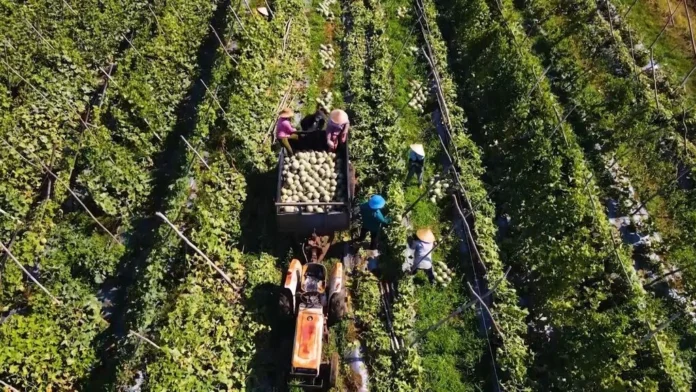
The natural advantages of the archipelago remain the foundation of this growth: mineral-rich volcanic soils, endless sunlight and Pacific breezes give Philippine bananas, pineapples, mangoes and coconuts flavor profiles and nutritional density that few competitors can match. These strengths have already made the country a leading supplier of canned tuna, coconut derivatives and tropical purees, yet the real transformation is now shifting these raw materials into high-value ingredients for functional foods, baby nutrition, elderly wellness products and the fast-growing global HoReCa sector. Features such as the IFEX Kitchen allow chefs and product developers to turn local harvests into market-ready concepts on the spot, while the Grocer’s Exchange Mart opens doors for private-label and white-label partnerships that help small producers meet the volume requirements of large European processors or major Gulf retailers. Running through every hall is a strong sustainability thread, with dedicated spaces showcasing biodegradable packaging made from agricultural waste, circular-economy technologies and closed-loop waste management systems that dramatically reduce environmental impact.
In a world still recovering from pandemic-era disruptions and facing increasing climate volatility, IFEX has become a platform for building resilient, shortened supply chains and long-term partnerships. The event’s 24/7 digital platform, IFEXConnect, continues to match buyers and sellers long after the show floor closes, while consolidation initiatives enable micro, small and medium enterprises to bundle small production runs into export-ready volumes. This collaborative approach is already directing Philippine products toward some of the most promising markets of the decade ahead: the rapidly expanding halal food segment in the Gulf Cooperation Council, the plant-based boom across Europe, and the health-and-wellness surge in North America and Northeast Asia.
Looking toward the next ten to fifteen years, the momentum generated by IFEX suggests a clear and ambitious trajectory. By 2028 the show itself is likely to welcome close to 900 exhibitors and attract several thousand additional buyers from emerging economies in South Asia, Africa and Latin America, drawn by authentic Southeast Asian flavors and clean-label credentials. Tropical fruit exports, already a multi-billion-dollar category, could easily grow another 25 to 30 percent by 2030 as natural sweeteners, superfood powders and functional purees become essential ingredients in the global wellness industry. The coconut sector, currently centered on commodity copra, has the potential to evolve into a ten-billion-dollar eco-export powerhouse by the mid-2030s once zero-waste certifications and full circular models become standard. Halal-certified plant-based lines using local jackfruit, seaweed and banana could capture meaningful share in the Gulf’s fast-growing meat-alternative market, while European demand for traceable, carbon-neutral tropical ingredients continues its double-digit annual growth.
Technology will accelerate every step of this journey. Artificial-intelligence flavor profiling, blockchain traceability and augmented-reality product previews, all previewed in coming editions of IFEX, will shorten development cycles from months to days and give Philippine producers an innovation edge few tropical competitors can match. Aging societies in Japan, Korea and Europe will drive explosive demand for banana-derived prebiotics and mango-based adaptogens tailored to cognitive and immune health, while North American retailers will increasingly seek sustainably sourced tuna and seafood with full digital provenance. Intra-ASEAN trade, bolstered by shorter and more resilient regional supply chains, is on track to become a hundred-billion-dollar corridor by the end of the decade.
By 2035 IFEX Philippines itself may well have grown into a hybrid global summit with permanent digital extensions, regularly hosting 15,000 participants and generating hundreds of millions in immediate contracts each year. Micro, small and medium enterprises, today responsible for roughly forty percent of export value, could control sixty percent or more of a dramatically higher total as consolidation, branding and sustainability expertise spread throughout the sector. Premium, health-focused and carbon-neutral products will dominate the export portfolio, aligning perfectly with a world in which the majority of consumers actively seek out responsible sourcing.
In essence, IFEX Philippines is no longer merely walking the line of global competitiveness; it is steadily redrawing that line in favor of a resilient, innovative and sustainable Philippine food industry. From the sun-drenched fields and fisheries of the archipelago, a new era of abundance is rising, one that will feed growing global demand for taste, health and planetary care in equal measure for decades to come.