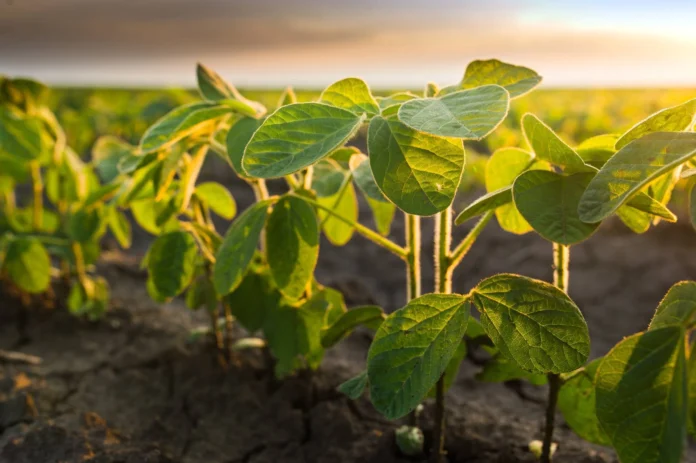
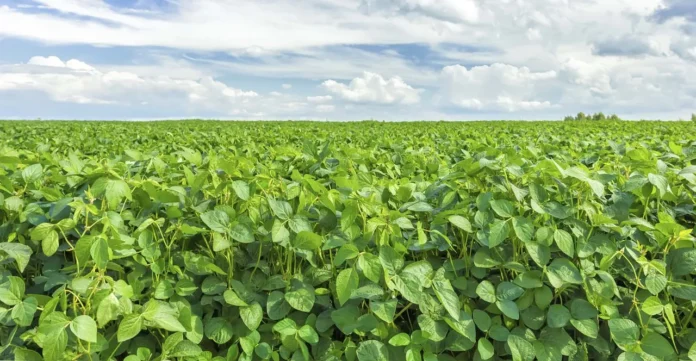
Arabfields, Sana Dib, Financial Correspondent, Johannesburg, South Africa — In the quiet hills of Mibani-Djando, on the island of Mohéli, the fields of the BioDjema cooperative tell a story that goes far beyond simple agriculture. Here, farming is not just a means of survival; it has become a powerful engine for economic, social, and environmental transformation for an entire community. At the heart of this movement is Hamidi, the cooperative’s president, who walks through the plots each morning, inspecting a landscape where vegetables, food crops, and fruit trees coexist in a harmonious system designed to heal the land.
Hamidi proudly states that they are not merely cultivating vegetables but are nurturing the future of their families and their country. This vision is now carried by about twenty producers, a majority of whom are women, who have chosen to invest in nature-friendly agriculture. They are directly confronting the severe challenges facing the island: the escalating impacts of climate change, rampant soil degradation, limited access to costly inputs, and a heavy dependence on imported food, which leaves the community vulnerable to global market fluctuations.
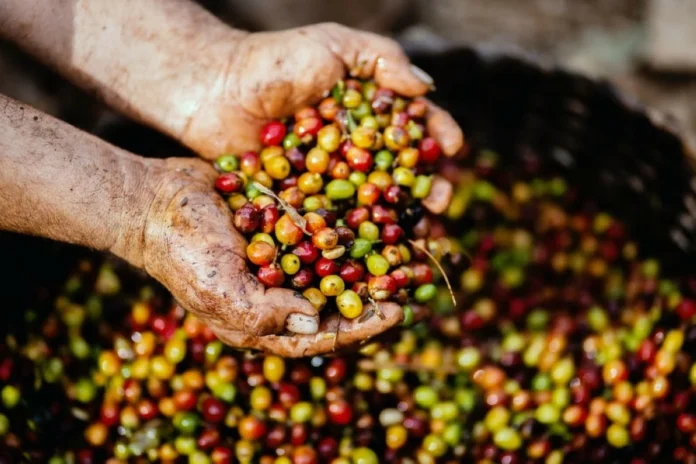
To tackle these interconnected problems, the members of BioDjema have adopted an innovative and nature-based approach centered on agroforestry. By integrating fruit trees and native species with vegetable and staple crops, they have created a farming system that is not only more productive but also far more resilient. This method, they have discovered, naturally preserves soil fertility, retains much-needed moisture, reduces erosion, and has led to a steady and sustainable improvement in their harvests over the past several seasons. By the start of 2026, the cooperative’s success is evident in the local markets, which they now regularly supply with fresh, locally-grown produce, directly strengthening food security for their community and successfully reducing reliance on expensive imports.
Perhaps the most tangible symbol of their commitment is the community nursery, which has become a cornerstone of their work. Each year, hundreds of young saplings of fruit trees and native species are grown there, ready to be planted. These plants not only fuel the cooperative’s own agroforestry projects but also play a vital role in reforestation campaigns across the island. This work offers a concrete, local solution to the global crisis, contributing to the restoration of degraded landscapes, protecting precious biodiversity, and actively fighting the effects of climate change by absorbing carbon and stabilizing the soil.
Despite these encouraging results, the path forward for BioDjema is not without obstacles. The cooperative continues to struggle with limited access to modern agricultural equipment, a pressing need for advanced technical training, and persistent difficulties in securing financing. The growing unpredictability of weather patterns, with more intense dry spells and storms, remains a constant threat. These challenges are well-understood by local authorities and international partners. In a significant development, a dialogue with the BGI Project, implemented under the UNDP/GEF program in partnership with the Mohéli National Park, has been initiated to identify concrete opportunities for strengthening the cooperative’s initiatives. This collaboration aims to further support their agroforestry practices and promote nature-based solutions as a sustainable answer to local development, food security, and environmental challenges.
Looking ahead to the remainder of 2026 and beyond, the data from the cooperative and its partners suggest that local, community-driven models like BioDjema hold the key to long-term sustainability. Forecasts indicate that if similar cooperatives receive adequate support, they could increase the Comoros’ food self-sufficiency by up to 15% over the next five years. The vision is to see this model replicated across the islands, creating a national shift towards more resilient and ecological farming. The members of BioDjema are already planning to expand their nursery, hoping to triple its output by 2027 to meet the growing demand for saplings from other villages and local schools.
The experience of BioDjema demonstrates that a small, local cooperative can become a true agent of change on a grand scale. It generates vital income for families, empowers women through economic participation and leadership, restores fragile ecosystems, and fortifies the resilience of entire communities against a changing climate. In Mibani-Djando, the true measure of a good harvest is no longer weighed only in kilograms of produce or counted in the number of trees planted. It is also found in the restored confidence of its members, in the traditional knowledge being passed on to the next generation, and in the new prospects for the future that they are building together.
For Hamidi, planting a tree is an investment in the future of generations yet to come. The story of this cooperative is a powerful reminder that in the Comoros, the most effective solutions to development challenges often emerge closest to the ground, where the daily commitment of women and men transforms individual effort into a powerful, collective wave of sustainable change. Their work is a testament to the fact that a community can reclaim its land, its food, and its destiny by working with nature, not against it.