Arabfields, Maleeka Kassou, East, West & Central Africa Agriculture Correspondent — The cashew sector in Ivory Coast has emerged as one of the most dynamic pillars of the nation’s agricultural economy, transforming from a modest contributor into a powerhouse that drives export revenues, creates employment, and supports millions of rural households. With the country firmly established as the world’s leading producer of raw cashew nuts, recent developments have pushed the industry to unprecedented heights, particularly through a strategic shift toward greater local processing and value addition. The projection that Ivory Coast could generate up to 350 billion CFA francs from cashew nut export revenues in 2025 underscores this remarkable trajectory, reflecting not only record-breaking export volumes but also the growing sophistication of the sector as it moves away from raw commodity sales toward higher-value processed kernels.
This anticipated revenue milestone for 2025 represents a significant leap forward, building on years of steady expansion in both production and processing capacity. Ivory Coast has long dominated global raw cashew nut output, consistently accounting for a substantial share of the world’s supply, yet much of that production was historically exported in unprocessed form to countries like Vietnam and India for transformation into kernels consumed worldwide. However, deliberate policy measures, substantial investments in processing infrastructure, and favorable market conditions have accelerated a profound change, enabling the country to capture more economic value domestically. The expected 350 billion CFA francs in export earnings for 2025 stem primarily from processed cashew kernels, which command significantly higher prices on international markets compared to raw nuts, and this shift has already begun to reshape the economic landscape for farmers, processors, and the national treasury alike.
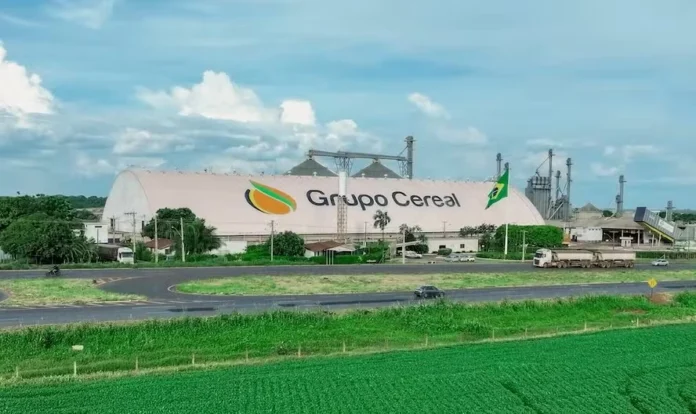
Looking deeper into the factors propelling this growth, the expansion of local processing plants has played a pivotal role, with dozens of facilities coming online in recent years to handle increasing volumes of raw nuts harvested within the country. These plants employ advanced techniques to shell, dry, and package kernels, ensuring they meet stringent international quality standards while generating thousands of jobs, particularly for women who form a large part of the workforce in this labor-intensive industry. As processing capacity has grown, so too has the proportion of the harvest that remains in Ivory Coast for transformation, reducing reliance on foreign processors and retaining more profits within the local economy. This trend gained momentum as government incentives encouraged investment, including tax breaks, subsidized infrastructure, and training programs aimed at improving efficiency and yield quality, all of which have contributed to the optimistic revenue outlook for 2025.
The economic implications of reaching this 350 billion CFA franc threshold extend far beyond the agricultural sector itself, rippling through related industries such as transportation, logistics, and packaging, while bolstering foreign exchange reserves that support broader national development goals. For rural communities, where cashew farming is a primary livelihood for hundreds of thousands of smallholder producers, higher export revenues translate into improved farmgate prices, better access to inputs like fertilizers and improved seedlings, and greater household incomes that fuel local commerce. This virtuous cycle has helped alleviate poverty in cashew-growing regions, fostering stability and encouraging younger generations to remain in agriculture rather than migrating to urban areas, thereby sustaining the long-term viability of the industry.
Turning to future prospects, the momentum established by the 2025 projections suggests that Ivory Coast’s cashew sector is poised for even more substantial growth in the coming years, potentially doubling or tripling export revenues by the end of the decade if current trends persist. With production volumes already demonstrating robust annual increases, driven by expanded plantation areas, enhanced pest management practices, and climate-resilient varieties, raw cashew nut output could surpass 2 million tonnes annually within the next five to ten years, providing an ample supply base for further processing expansion. As local transformation rates continue to rise, aiming toward ambitious targets of processing half or more of the harvest domestically, the value of exports will shift increasingly toward premium kernels, which could push annual revenues well beyond 700 billion CFA francs by 2030, assuming stable global demand and favorable pricing.
This upward trajectory will likely be supported by ongoing investments from both domestic and international players, attracted by the sector’s proven profitability and the government’s commitment to creating an enabling environment. New processing facilities, equipped with modern technology for greater efficiency and reduced waste, are expected to come online regularly, further elevating Ivory Coast’s position not just as the top raw producer but potentially as one of the leading exporters of finished cashew products. Moreover, emerging markets for cashew by-products, such as cashew nut shell liquid used in industrial applications and apple-derived juices or snacks, offer additional revenue streams that could diversify income sources and mitigate risks associated with kernel price fluctuations.
Global demand for cashews remains strong, fueled by rising consumer preferences for healthy snacks, plant-based proteins, and natural ingredients in food manufacturing across Europe, North America, and Asia, and Ivory Coast is well-positioned to capitalize on this trend through reliable supply chains and improving quality certifications. As sustainability becomes a key purchasing criterion for international buyers, initiatives to promote environmentally friendly farming practices, such as agroforestry integration and reduced chemical usage, will enhance the competitiveness of Ivorian cashews, opening doors to premium markets and higher price points. In this context, the 2025 revenue benchmark of up to 350 billion CFA francs serves as a launching pad, signaling to investors and partners that the sector has matured into a reliable engine of growth capable of delivering consistent returns.
Challenges undoubtedly remain, including the need to combat occasional smuggling across borders, adapt to climate variability that affects yields, and navigate international trade dynamics, yet the resilience demonstrated in recent years inspires confidence that these hurdles can be overcome through continued innovation and collaboration. Government strategies focused on research, extension services, and infrastructure development will be crucial in sustaining this progress, ensuring that smallholders benefit equitably from the industry’s expansion. As Ivory Coast builds on the foundation laid by the record-setting performance anticipated in 2025, the cashew sector stands to become an even more integral component of the national economy, contributing not only to wealth creation but also to food security, gender empowerment, and sustainable rural development.
In the longer term, envisioning a horizon extending to 2040 or beyond, the cumulative effects of these advancements could elevate cashew exports to a scale where they rival or even surpass other flagship commodities in economic importance, generating trillions of CFA francs cumulatively and positioning Ivory Coast as a global leader in nut processing. This evolution would mark a profound success story for African agriculture, demonstrating how strategic vision, investment, and value chain integration can transform a raw commodity into a source of enduring prosperity. The journey toward these future achievements begins with the milestone projected for 2025, a testament to the hard work of farmers, the foresight of policymakers, and the potential of an industry that continues to flourish against the backdrop of a changing world.